

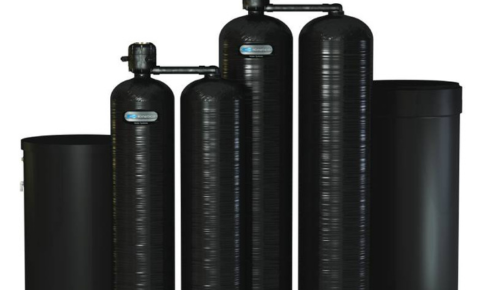

There’s something oddly comforting about turning on the tap and knowing the water flowing out is doing its job quietly—no stains, no residue, no strange smell. Most of us don’t think twice about it. But tucked away somewhere, usually in a utility corner or basement, your water softener is working harder than it gets credit for.
And like most things that quietly serve us every day, it only gets noticed when something goes wrong.
The Day You Realize Something’s Off
It usually starts small. Soap doesn’t lather the same way. Your skin feels a bit dry after a shower. Maybe those white spots on your dishes come back, even though you swear you just cleaned everything properly.
That’s often the first signal your system is asking for attention.
Ignoring it doesn’t break things instantly—it just slowly chips away at performance. Think of it like driving a car without servicing it. You can do it, sure… just not for long.
Understanding What’s Happening Behind the Scenes
Water softeners work through a process called ion exchange. Hard minerals like calcium and magnesium are swapped out for sodium or potassium ions. Sounds technical, but the result is simple: smoother water that’s kinder to your pipes, appliances, and skin.
But here’s the thing—over time, the resin beads inside the system get clogged or less effective. Salt levels fluctuate. Filters build up residue. It’s not dramatic; it’s gradual.
That’s exactly why water softener maintenance isn’t just a checklist item—it’s what keeps everything running like it should, quietly and consistently.
Little Habits That Make a Big Difference
You don’t need to be an expert to keep your system in good shape. In fact, most of the important stuff is surprisingly simple.
Checking salt levels once a month is a good start. But not just topping it off—make sure there’s no salt bridging (when a hard crust forms and blocks proper functioning). It happens more often than people think.
Then there’s cleaning the brine tank. Not something you’d want to do every week, but letting it sit untouched for years? That’s where trouble brews.
And filters—often overlooked. If your system has a pre-filter, it’s doing the dirty work of catching sediments. But when it’s clogged, it affects flow and pressure. Which brings us to something people rarely connect…
Efficiency Isn’t Just About Performance
When your water softener isn’t running optimally, it doesn’t just affect water quality—it quietly impacts energy and water usage too.
An inefficient system regenerates more often than needed, wastes salt, and uses extra water. That’s money slipping away without you realizing it.
Maintaining system efficiency isn’t about perfection. It’s about avoiding that slow drift into wastefulness. A properly functioning system regenerates only when necessary, uses resources wisely, and keeps everything balanced.
And honestly, once you notice the difference, it’s hard to go back.
The Hidden Cost of Waiting Too Long
Most breakdowns don’t come out of nowhere. They build up over time—tiny inefficiencies stacking up until something gives.
A clogged valve here. A worn-out seal there. Maybe the motor starts struggling.
Then one day, no soft water.
Suddenly you’re dealing with repairs, maybe even replacement costs. And all of it could’ve been avoided with a bit of regular care.
Taking simple steps to prevent breakdowns isn’t about being overly cautious—it’s about staying ahead of the curve. It’s the difference between a quick fix and a major expense.
When to Call in a Professional
There’s a point where DIY efforts meet their limit. And that’s okay.
If your system is older, making unusual noises, or just not delivering consistent results, getting a professional check-up once a year isn’t a bad idea. They’ll spot issues you might miss—like resin degradation or internal wear.
Think of it less as an expense and more like insurance for your home’s water system.
It’s Not Just About Water
Here’s something people don’t always consider—your water softener affects more than just water quality.
It impacts your appliances’ lifespan. Your laundry. Your plumbing. Even your skin and hair.
When the system is working well, everything feels… easier. Less scrubbing, fewer repairs, softer clothes. It’s subtle, but noticeable.
And when it’s not? You feel that too.
A Small Effort That Pays Off Quietly
The funny thing about maintaining a water softener is that you rarely get immediate rewards. There’s no big “wow” moment.
Instead, you get consistency. Reliability. The absence of problems.
And in a way, that’s the best kind of outcome—when everything just works, without needing your attention.
So maybe it’s worth checking on that system today. Just a quick look. A small step.
Because sometimes, the quietest parts of your home are the ones doing the most important work.