There’s a strange moment that catches you off guard—you turn on the tap, maybe to wash your hands or grab a glass of water, and something feels… off. Not the look, not the flow—but the smell. It lingers just enough to make you pause.
You lean in again, just to be sure.
Yep, it’s there. That unmistakable hint of smelly water.
It’s not something you expect from your own home, and once you notice it, it’s hard to ignore.
The Subtle Shift You Can’t Unsee (or Unsell)
Water issues rarely start dramatically. There’s no warning alarm, no sudden breakdown. Instead, it’s a gradual realization.
Maybe the smell is stronger in the morning. Maybe it fades after running the tap for a bit. Or maybe it sticks around no matter what you do. Either way, it starts affecting your routine in small but noticeable ways.
You hesitate before drinking it. You second-guess using it for cooking. Even something as simple as washing your hands feels slightly uncomfortable.
These kinds of water problems aren’t always dangerous, but they’re definitely disruptive. And more often than not, they’re pointing to something happening behind the scenes.
What’s Really Causing That Smell?
The truth is, water can carry more than just H₂O. It can pick up minerals, gases, and even microorganisms along the way.
One common cause of that unpleasant odor is sulfur bacteria. These naturally occurring microorganisms thrive in environments where sulfur is present. As they break it down, they produce gases that create that familiar “rotten egg” smell.
It sounds worse than it is, honestly. These bacteria aren’t typically harmful, but they do affect the smell and overall experience of using water.
Sometimes, the issue isn’t in the water source itself but in your plumbing system. Water heaters, for example, can create conditions where these bacteria grow more easily, especially if the water sits unused for a while.
Why It Feels Like a Bigger Problem Than It Is
Here’s the thing—smell is powerful. It shapes how we perceive everything.
Even if your water is technically safe, an unpleasant odor makes it feel unusable. It’s psychological, but it’s real. You don’t want to drink it, cook with it, or even touch it longer than necessary.
That’s why addressing the issue matters. Not just for practical reasons, but for peace of mind.
When It’s Temporary vs. When It’s Not
Sometimes, the smell comes and goes. It might be stronger after the water has been sitting in the pipes overnight, then fade after a few minutes of running.
In those cases, it could be related to stagnation or minor bacterial activity. Flushing the system might reduce the smell temporarily.
But if it’s consistent—present every time you turn on the tap—it’s likely tied to the water source or a more persistent condition within the system.
That’s when it’s worth looking a little deeper.
Simple Steps Before You Panic
Before jumping to conclusions, there are a few things you can check.
Run the water for a few minutes and see if the smell improves. Try different taps—kitchen, bathroom, outdoor—to see if the issue is localized or throughout the house.
If it’s only hot water, the water heater might be the source. If it’s everywhere, it’s more likely coming from the supply or the main plumbing lines.
These small observations can help narrow things down.
Finding a Practical Solution
The good news is, most odor-related issues have solutions.
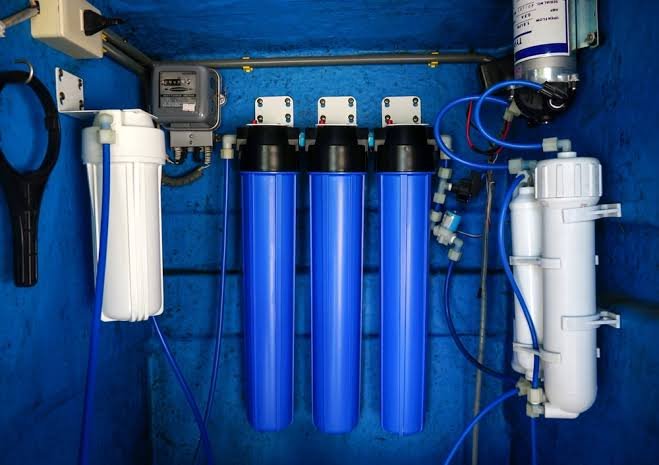
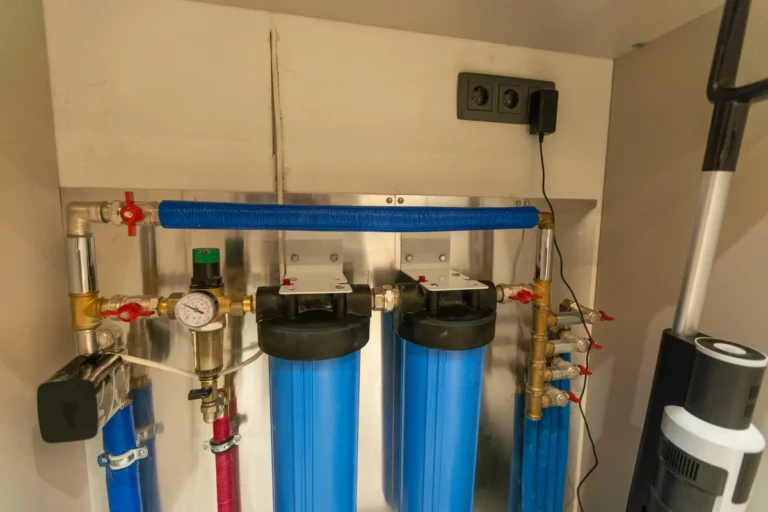
For bacterial causes, disinfecting the system or adjusting water heater settings can sometimes resolve the problem. For more persistent cases, filtration or treatment systems designed to remove sulfur compounds can be effective.
It’s not always about installing something complex. Sometimes, it’s just about addressing the specific cause.
Why Testing Can Be Helpful
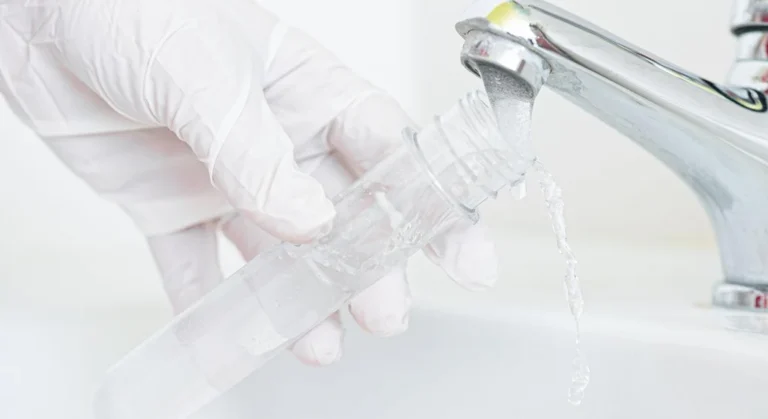
If the issue doesn’t go away or feels unclear, water testing can provide answers.
It helps identify what’s actually present—whether it’s sulfur compounds, bacteria, or something else entirely. And once you know that, you can choose a solution that fits.
It takes the guesswork out of the process.
A Final Thought
Water is one of those things we rely on without thinking. It’s part of our daily rhythm—quiet, consistent, dependable.
So when something changes, even something as simple as a smell, it stands out.
The good news? Most of these issues are manageable. They’re not as overwhelming as they feel at first.
With a bit of understanding and the right approach, you can bring things back to normal.
And when your water feels clean, neutral, and reliable again, you’ll notice the difference—quietly, in all the little moments that make up your day.