

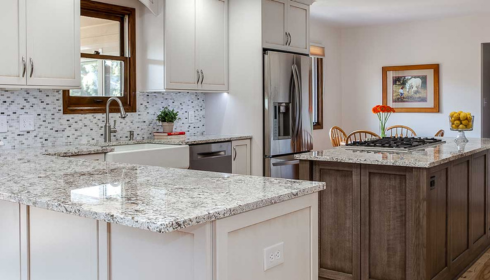

There’s something surprisingly emotional about renovating a home. People usually begin the process thinking about cabinets, paint colours, or flooring samples, but somewhere along the way, it becomes about something much deeper. Comfort. Routine. The feeling of finally enjoying a space that never quite worked before.
A home has a quiet influence on daily life. We don’t always notice it while rushing through busy mornings or collapsing onto the couch after work, but the layout of a room, the amount of natural light, even the way people move through a hallway can affect mood more than most of us realize.
That’s probably why home renovations feel so personal.
Why More Homeowners Are Reimagining Their Spaces
Over the past few years, people have started looking at their homes differently. Instead of seeing them as temporary places to pass through, many now want homes that truly support the way they live.
Families are spending more time together at home. Remote work blurred the line between office and personal space. People began noticing things they ignored for years — cramped layouts, awkward storage, dark corners, noisy rooms.
And honestly, once you notice those things, it’s hard to unsee them.
That shift is one reason thoughtful renovations have become increasingly popular. Homeowners aren’t necessarily chasing luxury anymore. They’re searching for ease. Spaces that feel calmer, more practical, and more connected to real life.
The Kitchen Has Quietly Become the Center of Everything
No matter how much design trends evolve, people always gather in the kitchen eventually. During parties, conversations drift there naturally. Families hover around counters during rushed mornings. Even quiet evenings somehow end with someone leaning against the fridge talking about their day.
That’s why kitchen remodels tend to have such a huge impact on the feel of a home.
And interestingly, the best kitchens aren’t always the largest ones. They’re simply designed better.
A smart layout changes everything:
- More functional storage
- Better lighting
- Easier movement between work areas
- Seating that encourages conversation
Those details sound small individually, but together they completely transform how a kitchen functions day after day.
People often think renovations are about appearance first. In reality, the most successful projects improve the experience of using the space.
That’s what homeowners remember long after the dust settles.
Bathrooms Matter More Than People Expect
Bathrooms rarely get much emotional attention until they stop functioning well. Poor lighting, limited storage, outdated layouts — those frustrations build quietly over time.
Then suddenly one renovation changes the entire mood of daily routines.
Well-designed bathroom remodels create something people don’t talk about enough: relief. Better organization reduces clutter. Improved lighting makes mornings easier. Thoughtful materials create a sense of calm that genuinely affects how the day begins and ends.
And honestly, luxury in bathrooms often comes from comfort rather than extravagance.
Heated floors on cold mornings.
A shower with proper water pressure.
Storage that actually fits everything neatly.
Those details improve everyday life in ways people immediately feel.
Open Spaces Aren’t Always Better — Balanced Ones Are
There was a period when everyone wanted completely open-concept homes. Walls disappeared everywhere. Kitchens blended into living rooms which blended into dining spaces until entire floors became one giant room.
Sometimes it worked beautifully.
Sometimes it created chaos.
Now, homeowners are approaching living spaces more thoughtfully. Instead of blindly chasing openness, they’re trying to create balance — rooms that feel connected without sacrificing comfort or privacy.
That might mean:
- Partial room dividers
- Flexible layouts
- Quiet reading corners
- Better acoustic design
- Furniture placement that creates natural flow
People want homes that support both togetherness and solitude. Honestly, that balance is harder to design than it sounds.
A home should feel open enough for connection but comfortable enough for retreat.
Good Design Usually Feels Invisible
One thing I’ve noticed about beautifully renovated homes is that they rarely scream for attention.
They simply feel good to be in.
Natural light reaches the right places. Storage exists where people actually need it. Rooms feel calm instead of overcrowded. Everything flows naturally without obvious effort.
That kind of design takes restraint.
The internet constantly pushes new trends — dramatic lighting fixtures, oversized islands, ultra-minimal interiors — but trends alone don’t create comfortable homes. In fact, some of the most heavily “designed” spaces end up feeling strangely cold.
The best homes still feel lived in.
Maybe there’s a slightly worn chair everyone gravitates toward. Maybe the bookshelves are a little messy. Maybe the dining table has scratches from years of family dinners.
Those imperfections create warmth.
Renovation Fatigue Is Completely Real
Nobody really warns homeowners about decision fatigue.
At first, renovation feels exciting. Inspiration photos everywhere. Endless possibilities. New beginnings.
Then suddenly there are twenty tile samples on the dining table and every shade of white paint somehow looks different but also identical. Timelines shift. Budgets stretch. Dust appears in places that seem physically impossible.
And honestly? That’s normal.
The key is remembering why the renovation started in the first place.
Not to create a perfect showroom.
Not to impress strangers online.
But to build a home that supports real life better.
A Thoughtful Home Changes Everyday Life Quietly
The truth is, most people aren’t searching for perfection when they renovate. They’re searching for comfort. Ease. Functionality. A little peace after long days.
A well-designed home doesn’t announce itself loudly. It simply makes daily routines feel smoother. Morning coffee tastes better in a space you genuinely enjoy. Family conversations happen more naturally. Even stressful days feel lighter when home feels calm.
And maybe that’s what great renovations are really about in the end.
Not just changing rooms — but improving the experience of living inside them.