


You don’t really think about your water heater when everything is working properly. That’s probably the best compliment any home system can get — complete invisibility. You wake up, turn on the shower, wash your hands, clean the dishes after dinner, and move on with your day without giving it a second thought.
Then one day the water suddenly turns cold halfway through a shower, and somehow the entire mood of the house changes instantly.
It’s funny how fast comfort becomes noticeable once it disappears.
Reliable hot water is one of those quiet essentials that supports daily life in the background. Most homeowners never pay much attention to it until there’s a leak, strange noises, inconsistent temperatures, or the dreaded moment when the water simply refuses to heat at all.
And honestly, when that happens, even small routines start feeling frustrating.
Why Water Heating Matters More Than We Realize
People often focus on visible home upgrades — countertops, flooring, fresh paint, fancy lighting fixtures. But practical systems usually shape everyday comfort much more than decorative details do.
Think about it for a second. Nearly every day starts or ends with hot water somehow. Morning showers wake us up. Warm water helps clean dishes properly. Laundry cycles depend on it. During colder months especially, it becomes part of what makes a home feel safe and relaxing.
When a water heater struggles, you notice the ripple effect immediately. Showers become shorter. Household routines get delayed. Arguments mysteriously appear about who used all the hot water first.
I lived in a shared apartment years ago where everyone developed an unofficial shower schedule because the aging heater couldn’t keep up. Nobody wrote the rules down, but somehow we all knew not to shower after two people already had.
That sort of thing sounds small until you live with it every day.
The Growing Popularity of Electric Systems
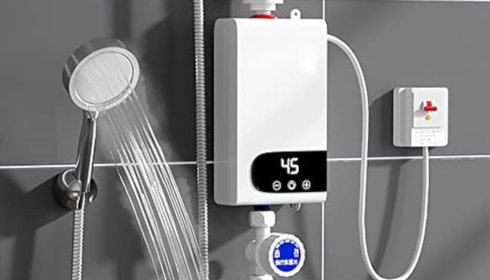
More homeowners are exploring energy-efficient options now than they were a decade ago, and the modern electric water heater has become a popular choice for many households.
Part of the appeal is simplicity. Electric systems are generally easier to install in homes without existing gas lines, and newer models have become much more efficient than older generations. They also tend to run quietly, which people appreciate more than they expect.
Of course, there isn’t one perfect solution for everyone. Larger households with heavy hot water usage may have different needs compared to smaller families or apartments. Energy costs vary depending on location too, which affects long-term operating expenses.
Still, electric systems have improved enough that many homeowners now consider them a reliable, practical option rather than just an alternative.
Small Warning Signs Usually Appear First
Most water heaters don’t fail overnight without any warning. Usually, there are little clues beforehand that homeowners either ignore or postpone dealing with.
Maybe the water temperature fluctuates randomly. Maybe strange rumbling sounds start coming from the tank. Sometimes water takes longer to heat up, or there’s less of it available during busy times of day.
Sediment buildup is often part of the issue, especially in areas with hard water. Minerals settle at the bottom of tanks over time, forcing the system to work harder than necessary. That added strain can reduce efficiency and shorten the overall lifespan of the unit.
And like many home maintenance problems, ignoring it rarely makes things cheaper later.
Choosing the Right System for Your Home
There’s no universal answer when it comes to selecting a water heating system. What works perfectly for one family might feel inefficient or oversized for another.
Some households prioritize energy efficiency above everything else. Others care more about recovery speed or long-term reliability. Families with multiple bathrooms usually need different capacity levels than smaller homes or condos.
That’s why rushing into a purchase based purely on price often backfires. A cheaper system that constantly struggles to meet demand can become frustrating surprisingly quickly.
Professional guidance helps because experienced technicians look beyond square footage alone. They consider usage habits, household size, plumbing layout, and even local climate conditions when recommending systems.
Honestly, those details matter more than flashy advertisements.
Maintenance Is Boring — But Important
Nobody enjoys maintaining a water heater. It’s not exciting or visually rewarding the way home renovation projects can be. But regular maintenance quietly saves homeowners from much bigger problems later.
Flushing sediment periodically, inspecting valves, checking for corrosion, and monitoring performance all help extend the life of the unit. Even basic attention can prevent sudden failures and improve energy efficiency.
One plumber once told me most emergency calls he receives could’ve been avoided with simple maintenance done earlier. People just don’t think about water heaters because they stay hidden away in closets, garages, or basements where nobody sees them.
Out of sight tends to mean out of mind.
The Comfort of Ordinary Things Working Properly
The older I get, the more I realize comfort often comes from ordinary things functioning reliably. Warm showers. Clean laundry. Consistent water temperature on cold mornings.
Those little moments shape how a home feels far more than we notice.
Reliable hot water won’t impress guests or make dramatic before-and-after photos for social media. But it quietly supports the rhythm of everyday life in ways that matter deeply once something goes wrong.
And maybe that’s the point. The best home systems aren’t the loudest or flashiest ones. They’re the ones that work steadily in the background, making life easier without demanding attention every five minutes.
Until suddenly, one freezing shower reminds you exactly how important they really are.