Sciatica is one of the most searched health conditions on the internet, which unfortunately means it is also one of the most thoroughly misinformed. The volume of advice available, from well-meaning friends to fitness influencers to anonymous forum posts, has created a persistent body of mythology around a condition that is, in clinical reality, both highly treatable and frequently mismanaged.
Getting sciatica right begins with getting the myths out of the way. These are the five most consequential misconceptions that consistently delay recovery and sometimes make the condition worse.
Myth One: Bed Rest is the Best Initial Treatment
Rest sounds logical when the pain is severe enough to make standing or sitting unbearable. For the first day or two of an acute flare, modified rest is reasonable. Beyond that, however, bed rest is one of the least effective strategies available for sciatic nerve pain.
The sciatic nerve, like all peripheral nerves, requires movement to remain mobile and healthy. Extended immobility reduces circulation to the nerve and surrounding structures, increases the stiffness of the tissues through which the nerve must glide, and accelerates the muscular deconditioning that often contributes to the original compression. Gentle, progressive movement is demonstrably superior to rest for the majority of sciatica presentations.
Myth Two: Sciatica Always Comes from the Lower Back
Most sciatic nerve compression does originate in the lumbar spine, where disc herniations and spinal canal narrowing are common causes. But the nerve can also be irritated at the level of the piriformis muscle in the deep gluteal region, a condition known as piriformis syndrome. In some people, the nerve passes directly through the muscle rather than beneath it, making this a structural vulnerability rather than a muscular problem.
Treating presumed lumbar-origin sciatica with lumbar-focused exercises and decompression when the actual compression is in the piriformis produces limited results. Accurate diagnosis of the compression site is not optional. It is the prerequisite for appropriate treatment.
Myth Three: Surgery is the Only Real Solution for Severe Sciatica
The belief that severe sciatic pain requires surgery to resolve is one of the most damaging myths in spinal health. Surgery is appropriate for a specific subset of sciatica cases, primarily those involving progressive neurological deficit, bowel or bladder involvement, or conditions that have genuinely failed extended courses of appropriate conservative care.
For the large majority of people with sciatica, including those with significant pain and neurological symptoms, structured non-surgical approaches produce excellent outcomes. Computerised spinal decompression, targeted nerve mobilisation, and specific rehabilitation exercises, delivered as part of a personalised programme like those offered at ANSSI Wellness, address the root cause of nerve compression without the risks and recovery demands of surgery.
Myth Four: Stretching the Hamstrings Will Cure Sciatica
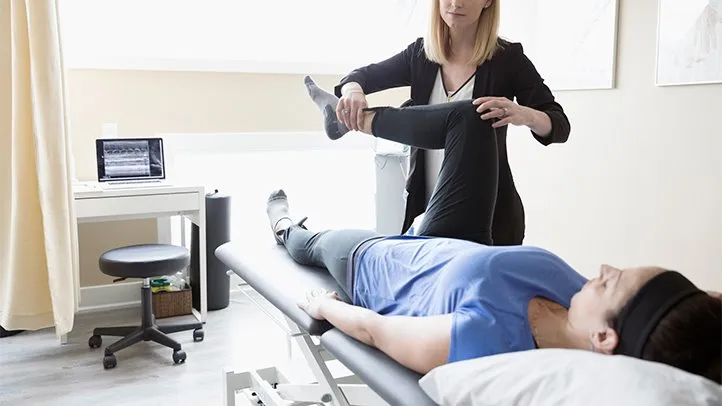
Hamstring stretching is perhaps the most universally recommended self-treatment for sciatica. It is also, when applied incorrectly, one of the most reliably counterproductive. The hamstrings and the sciatic nerve run in close proximity through the posterior thigh, and aggressive straight-leg stretching applies tension directly to the nerve.
For people whose sciatica involves an already irritated and inflamed nerve, this tension can significantly aggravate symptoms. Neural mobilisation exercises, which gently move the nerve through its range in a way that encourages gliding rather than stretching, are far more appropriate and considerably safer for most presentations.
Myth Five: Once Sciatica Resolves, It Won’t Come Back
People who experience a full resolution of sciatic symptoms sometimes assume the episode is behind them entirely. Without addressing the structural cause and the lifestyle factors that contributed to it, recurrence rates are high. The disc that herniated and caused nerve compression is not restored to its original condition by pain resolution alone. The postural habits and muscular imbalances that loaded the disc unevenly remain in place.
Genuine long-term freedom from sciatica requires completing the full rehabilitation process, including the exercise, ergonomic, and lifestyle components that extend beyond the point when pain disappears. Pain relief is the beginning of recovery, not its conclusion.
Conclusion
Correcting these five myths does not guarantee a smooth recovery from sciatica, but it eliminates the choices that most reliably obstruct one. The path from sciatic nerve pain to genuine, lasting relief is well-established in clinical practice. It begins with accurate diagnosis, proceeds through targeted non-surgical treatment, and is sustained through the rehabilitation and lifestyle changes that prevent the next episode.