In a world where digital marketing dominates, printed materials still have a special place in business promotion. A well-designed brochure can introduce a company, explain its services, showcase products, and leave a lasting impression on potential customers. Professional brochure printing combines attractive design, quality paper, and clear messaging to create a marketing tool that people can physically hold, read, and remember.
A Powerful Marketing Tool
Brochures are useful for businesses of almost every size. From retail stores and real estate companies to hotels, schools, healthcare providers, and corporate organizations, brochures can communicate important information in a simple format. Unlike a short social media post, a brochure gives businesses enough space to explain their offerings while maintaining a professional visual presentation.
A thoughtfully prepared brochure can also support other marketing activities. Businesses can distribute brochures at exhibitions, conferences, trade shows, reception desks, stores, and community events. They can also include them with product deliveries or hand them directly to prospective customers during meetings.
Creating a Strong First Impression
Customers often form an opinion about a business based on how professionally it presents itself. Poor-quality printing, unclear images, or crowded layouts can make even a good company appear less reliable. On the other hand, sharp images, balanced colors, readable typography, and quality paper can create a positive impression.
This is where custom brochure printing can make a difference. Businesses can choose the size, folding style, paper finish, colors, images, and layout according to their branding and marketing goals. A customized design allows the brochure to feel more connected to the company instead of looking like a generic promotional leaflet.
Choosing the Right Brochure Format
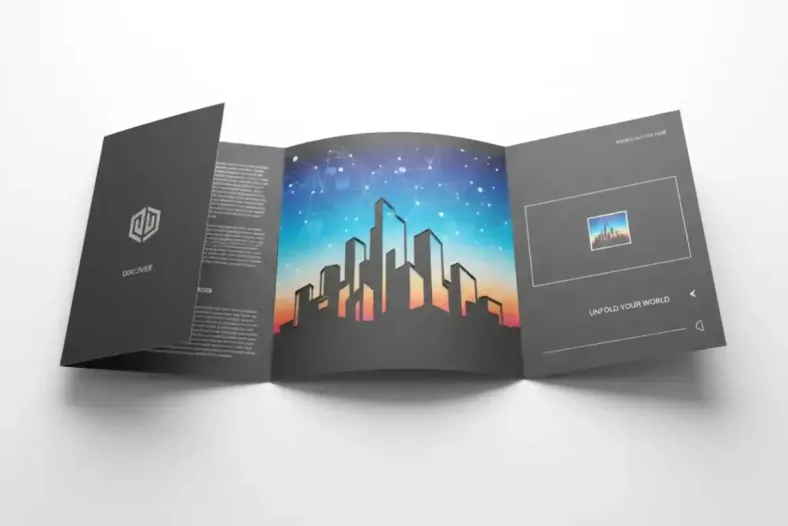
There are several brochure formats available, and each serves a different purpose. Bi-fold brochures provide a clean and straightforward layout, while tri-fold designs offer multiple sections for organizing information. Gate-fold, Z-fold, and booklet-style brochures can be useful when a business needs more creative presentation or additional space.
The choice should depend on the amount of information, target audience, distribution method, and overall design concept. A restaurant may need space for menus and offers, while a real estate company may require larger images and detailed property information.
Importance of Quality Materials
Paper quality can significantly influence how a brochure feels in the hands of a customer. Glossy paper can make photographs and colorful graphics appear vibrant, while matte finishes can provide a sophisticated and professional appearance. Thicker paper is often suitable for premium promotional materials because it feels more durable.
Businesses should also consider printing quality. Accurate colors, sharp text, clean folds, and properly aligned designs can make the final product look polished and dependable.
Designing Content That People Read
A brochure should not simply contain as much information as possible. Too much text can overwhelm readers and make the material difficult to scan. Instead, businesses should focus on short sections, clear headings, useful bullet points, strong images, and an obvious call to action.
Important details such as phone numbers, website addresses, social media information, services, special offers, and business locations should be easy to find. The overall message should answer a customer’s basic questions quickly and encourage them to take the next step.
Supporting Long-Term Brand Recognition
Printed brochures can remain with customers for days, weeks, or even months. Someone may keep a brochure on a desk or inside a folder and return to it later when they need a particular product or service. This lasting physical presence can complement online advertising and help reinforce brand recognition.
For businesses planning a promotional campaign, brochures can therefore be more than simple printed sheets. With thoughtful design, suitable materials, and useful information, they become practical marketing assets that support communication and customer engagement.
Final Thoughts
Professional brochure production remains a valuable option for businesses that want a tangible way to communicate with their audience. By combining strong design, quality materials, relevant information, and consistent branding, a brochure can help a business present itself confidently and professionally. Whether used at an event, inside a store, or during a sales meeting, a well-made brochure can continue working as a marketing tool long after it has been printed