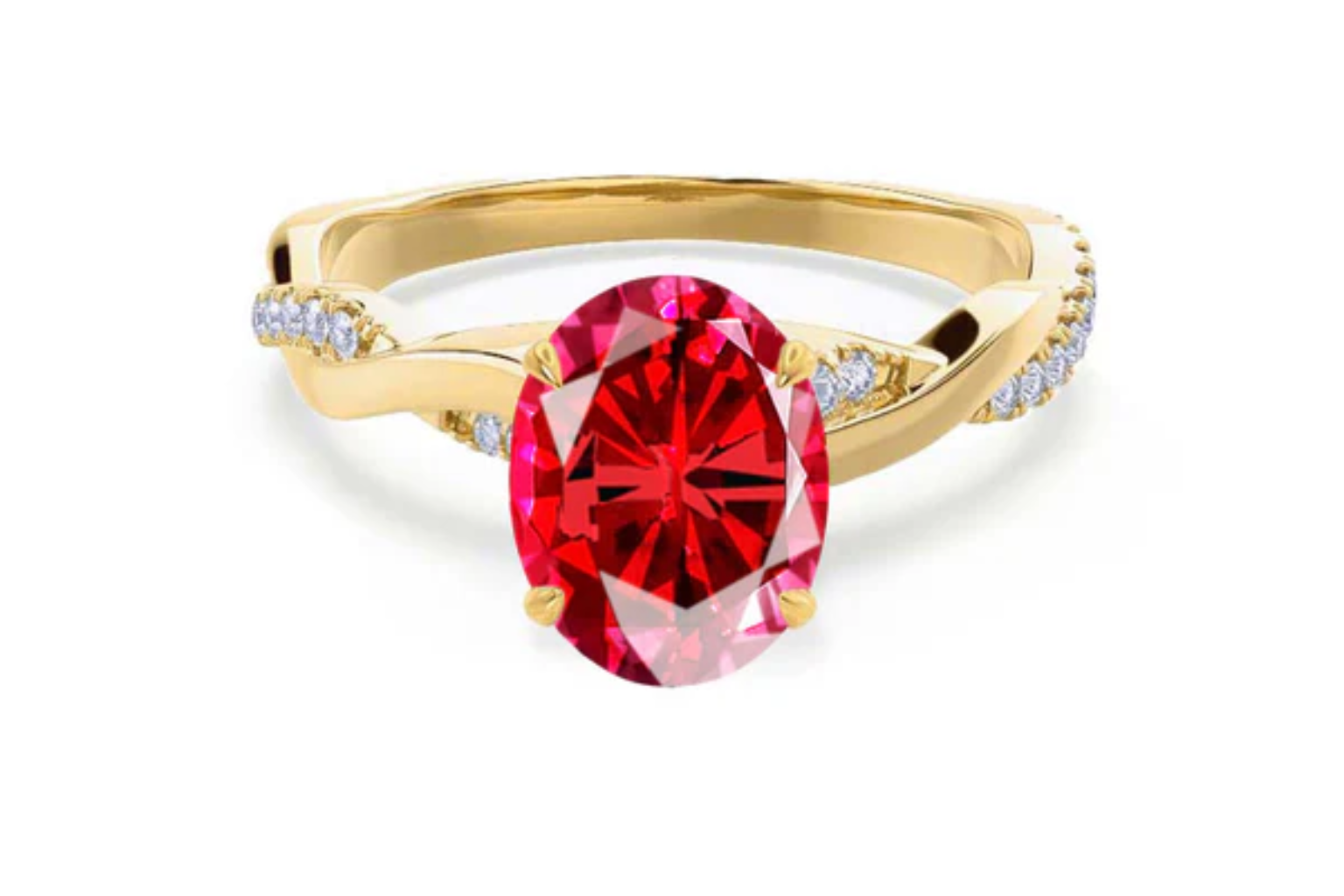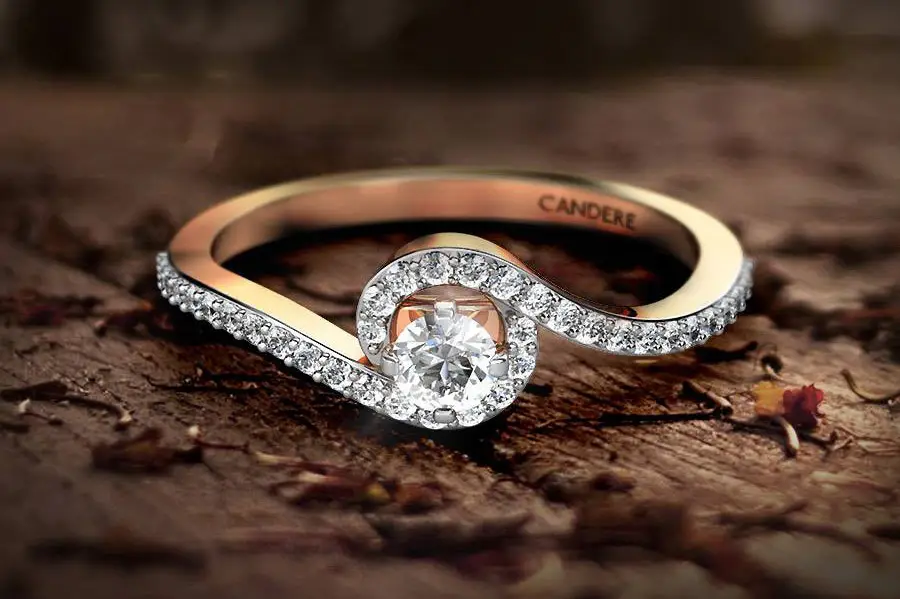
Diamond jewellery in Indian households has moved well beyond engagement rings. Anniversaries, milestone birthdays, festival gifting and promotions have all become diamond occasions — and the buyers walking into showrooms today are younger, better researched and more quality-conscious than any previous generation. Yet the counter can still feel overwhelming. This guide breaks the purchase into practical decisions so you can buy with confidence rather than confusion.
Prioritise Cut Above the Other Three Cs
Of the four Cs — cut, colour, clarity and carat — cut has the greatest impact on everyday brilliance. A well-cut stone returns light beautifully even at a modest clarity grade, while a poorly cut stone looks dull regardless of its certificate. For jewellery worn at celebrations rather than examined under a loupe, a well-cut stone of slightly lower clarity typically outperforms a higher-graded stone in a mediocre cut at the same price point. Establish your cut standard first, then optimise the remaining Cs within budget.
The Diamond Locket: Tradition Meets Sparkle
In Maharashtrian tradition, the tanmani worn close to the neck has long occupied a place of honour, and its diamond-studded form is now one of the most versatile pieces in modern fine jewellery. A well-chosen diamond locket moves effortlessly from the office on a slim gold chain to a wedding reception when layered with a traditional necklace. Because the stone sits at the focal point, this format delivers the most visible sparkle per carat — making it a smart first diamond purchase for most buyers.
Balance Studded and Plain Gold
Not every occasion calls for diamonds. A well-rounded collection balances studded pieces with plain gold. Contemporary gold pendant designs — deity motifs, geometric forms, paisley styles — provide everyday versatility at accessible price points and complement the same chains that carry your diamond pieces. Many families prefer gold pendants for naming ceremonies and housewarmings, reserving diamonds for the most personal milestones.
Certification, Care and After-Sales
Insist on diamonds certified by a recognised gemological laboratory, and verify that the certificate details match your invoice. For studded jewellery, the bill should separately state total diamond weight, gold weight and making charges. Diamond jewellery also requires ongoing care: prongs need tightening periodically, rhodium finishes need refreshing, and tastes evolve such that upgrades become attractive over time. This makes the after-sales relationship with your jeweller nearly as important as the initial purchase. Established jewellers such as Waman Hari Pethe Sons combine certified stones with transparent billing and long-standing service policies, ensuring the piece is looked after as carefully as it was crafted.
Practical Care at Home
Remove studded jewellery before applying perfume or cosmetics, store each piece separately in a soft pouch and avoid wearing diamonds during heavy physical work. Clean gently with lukewarm water, a drop of mild soap and a soft brush. A professional inspection once a year keeps settings tight and restores the original brilliance that makes a diamond piece worth owning.
Conclusion
Buying diamond jewellery well comes down to three habits: prioritise cut, insist on certification and choose formats you will actually wear consistently. Take time to visit a trusted showroom, compare pieces in different lighting, and let the stone that genuinely speaks to you make the final decision.