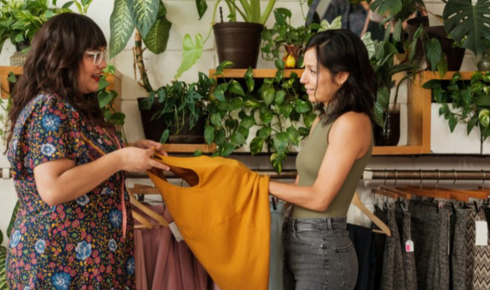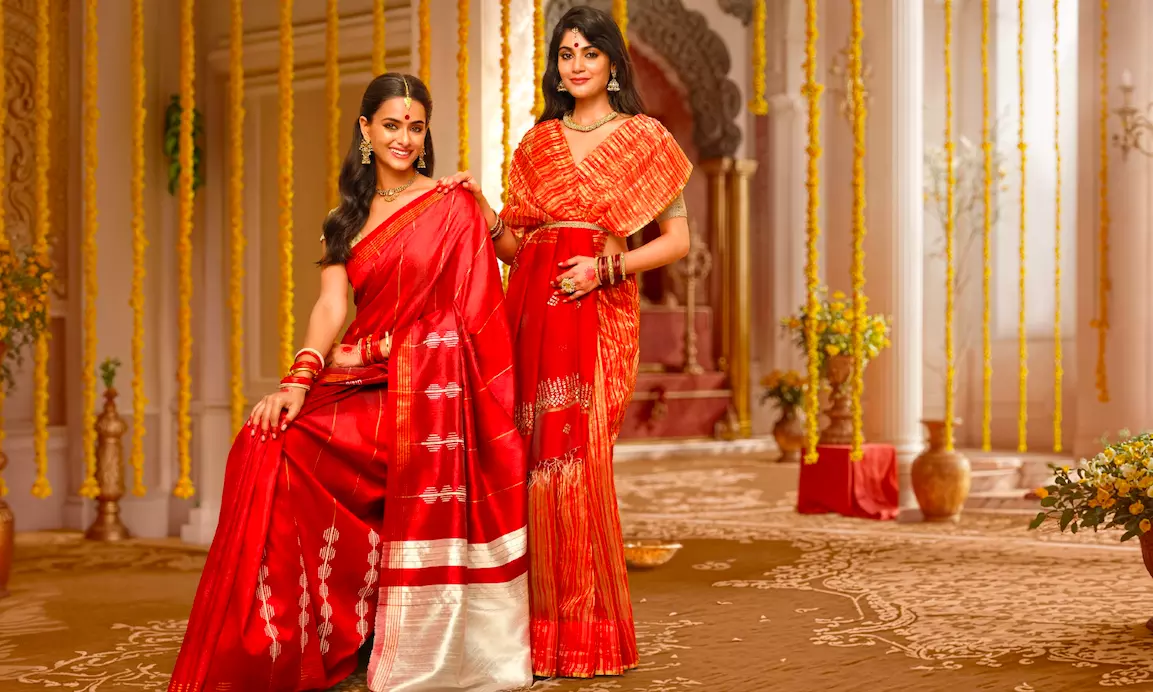
A decade ago, the saree was widely seen as an occasion garment reserved for weddings, festivals, and family functions, something younger women reached for only when there was no way around it. That perception has been quietly unravelling, and it shows up clearly in the handloom fashion trends gaining ground right now. Scroll through any fashion feed today and handloom sarees, hand block printed kurta sets, and Chanderi dupattas show up as often as western wear, worn to work, to brunch, and to casual weekend outings.
This is not a one-off trend cycle. It reflects a genuine change in how younger buyers think about clothing, value, and identity.
The social media effect on regional weaves
Instagram and Pinterest have done for regional handloom what department stores never managed. A twenty-something in Bengaluru can now discover a Maheshwari weave from Madhya Pradesh or a Jamdani technique from Bengal within a single scroll, styled in ways that feel current rather than ceremonial. Seeing a saree draped with sneakers, or a kurta set paired with a structured bag, has done more to normalise handwoven sarees for everyday wear than any advertising campaign could.
From ‘grandmother’s saree’ to statement piece
Many younger buyers describe their first real interest in handloom starting with a piece inherited from a mother or grandmother rather than one bought new. Restyling an heirloom saree for a friend’s birthday or a work event often becomes the entry point into actively seeking out new handwoven pieces, this time chosen rather than simply received.
Sustainable ethnic fashion as a style statement, not just a slogan
Fast fashion fatigue is real, and it shows up in how younger consumers talk about their purchases. A garment that took a weaver days or weeks to complete, using techniques passed down through generations, carries a story that a mass-produced outfit cannot compete with. For a generation that increasingly researches where its clothes come from, sustainable ethnic fashion in India offers an answer that feels both ethical and aesthetically distinct.
What younger buyers actually look for when shopping handloom
Comfort and versatility now matter as much as tradition. The most searched handloom categories among younger shoppers tend to be lightweight cottons, mulmul, and linen, pieces that can move from a desk to an evening plan without a full outfit change. Price transparency and clear information about the weave, the region, and the fabric composition also influence buying decisions far more than they did even five years ago.
How brands are adapting without diluting the craft
Handloom brands that are growing fastest among younger buyers tend to share a few traits: contemporary styling in their photography, honest fabric descriptions, and category pages that make it easy to shop by fabric rather than only by occasion.
Brands like Swades Creations illustrate this shift well, presenting handwoven sarees, suits, and dupattas in a way that feels approachable for everyday dressing rather than reserved strictly for special occasions.
Conclusion
The handloom fashion trends taking hold among Gen Z and millennial women are not nostalgia dressed up as fashion. They reflect a preference for clothing that offers a clearer story, a more distinct look, and often a better cost per wear than fast fashion alternatives. As more young buyers actively seek out handwoven sarees for everyday wear rather than only for special occasions, the craft stands to gain a far steadier customer base than it has had in years.