There’s a strange moment that happens in many homes—it’s not dramatic, not urgent, but it lingers. You pour a glass of water and pause. Something feels slightly off. Maybe it’s the taste, or the way your hands feel after washing. You can’t quite explain it, but you notice it.
And once you do, it’s hard to ignore.
The Subtle Shift You Can’t Quite Name
Water has a way of changing quietly. It doesn’t usually announce itself with big problems. Instead, it shows up in small, everyday inconveniences—soap that won’t lather properly, dishes that look dull no matter how much you rinse, or that persistent dryness after a shower.
Most of us brush it off at first. We blame the weather, the detergent, even ourselves. But over time, those little signs begin to form a pattern. And patterns are worth paying attention to.
Because more often than not, it’s your water trying to tell you something.
Hard Water and the Comfort Factor
One of the most common reasons behind these subtle changes is hard water. It’s loaded with minerals like calcium and magnesium. Harmless on paper, yes—but not always kind to your home or your skin.
That’s where a softener system can make a noticeable difference. It doesn’t just “fix” the water—it transforms the way it interacts with everything around you. Showers feel smoother. Clothes come out softer. Even your morning routine feels a little less… frustrating.
It’s not a dramatic shift, but it’s one you start to appreciate quickly. The kind of improvement that quietly slips into your daily life and makes things easier without asking for attention.
When Taste and Clarity Start to Matter
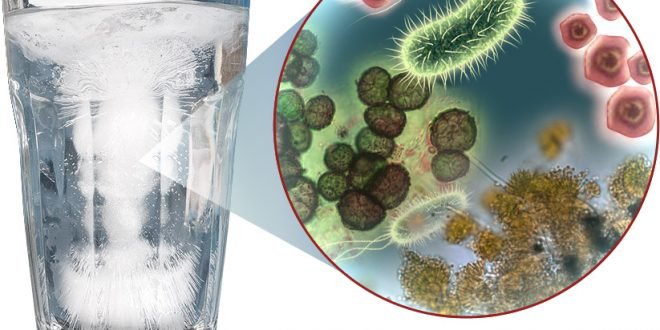
Hardness isn’t the only factor, though. Water can carry all sorts of things—sediments, chlorine, or traces of impurities that don’t always show up visually but affect taste and smell.
You might notice it in your coffee first. Or when your drinking water doesn’t feel as refreshing as it should. It’s subtle, but it changes the experience.
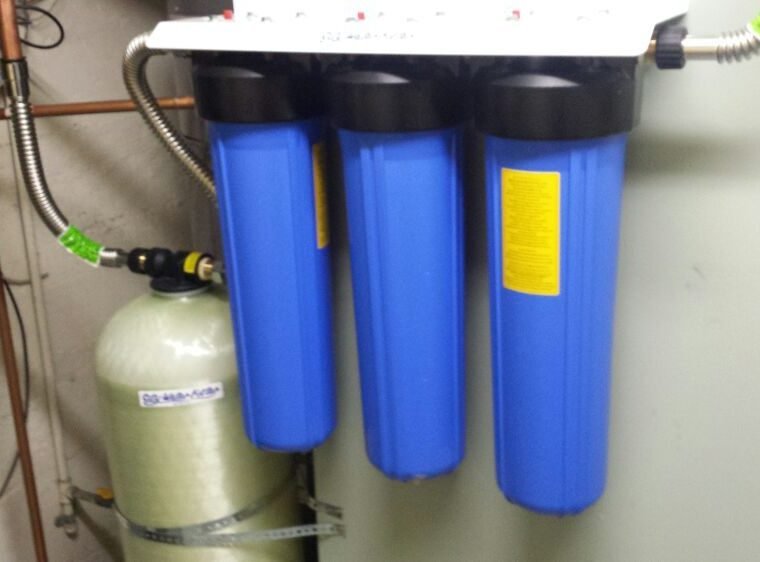
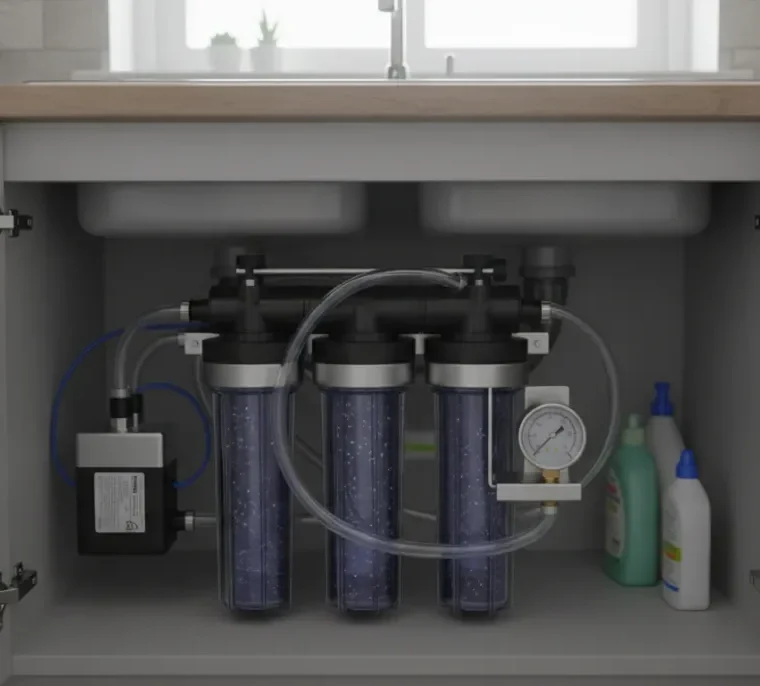
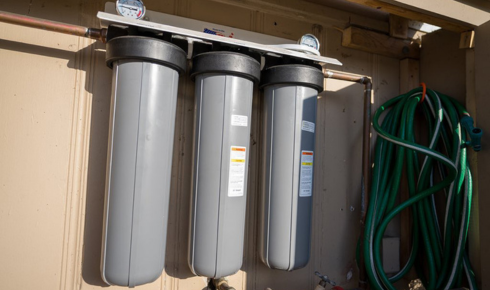
This is where a filtration system comes into play. It works behind the scenes, removing unwanted particles and improving the overall quality of your water. The result? Cleaner taste, better clarity, and a sense that what you’re consuming is actually… good for you.
And the funny thing is, once you get used to filtered water, going back feels noticeable in a way you didn’t expect.
Figuring Out What You Actually Need
Here’s where things can get a bit overwhelming. Once you start exploring solutions, you’ll find a flood of options. Different systems, different technologies, different opinions. It’s easy to feel stuck before you even begin.
But here’s a thought that might help: not every home needs everything. The key isn’t to install the most advanced setup—it’s to understand your specific situation.
Sometimes, that means getting your water tested. Other times, it’s as simple as observing the patterns you’ve already noticed. Either way, the goal is clarity. Once you know what’s happening, the next steps tend to feel a lot less confusing.
When You Don’t Want to Figure It Out Alone
Let’s be honest—most people don’t want to become water experts. They just want things to work. And that’s perfectly reasonable.
That’s why reaching out for water system help can be a smart move. Not because you can’t figure it out yourself, but because having someone who understands the details can save time, effort, and guesswork.
They can test, explain, and guide you toward solutions that actually make sense for your home. And sometimes, that kind of clarity is exactly what you need to move forward with confidence.
The Ripple Effect of Better Water
What surprises many people is how much of an impact water quality has beyond the obvious. It’s not just about what you drink—it’s about how your entire home feels.
Better water can mean less buildup on fixtures, longer-lasting appliances, and even fewer cleaning frustrations. It’s one of those changes that touches everything without being loud about it.
And then there’s the personal side. Softer skin, smoother hair, a more pleasant shower experience. These are small things, but they add up in ways that are hard to ignore once you experience them.
A Quiet Upgrade That Stays With You
Improving your water isn’t the kind of decision that brings instant, dramatic results. It’s more subtle than that. A series of small improvements that gradually reshape your daily routine.
You stop noticing the things that used to bother you. The odd taste fades away. The dryness disappears. Everything just… works better.
And maybe that’s the real goal—not perfection, but consistency. Water that does its job without making you think about it.
Final Thoughts
If your water has been giving you even the slightest reason to pause, it might be worth listening. Those small signals often point to something real, something fixable.
Start with curiosity. Pay attention. Ask a few questions. Because once you understand what’s going on, improving your water becomes less about solving a problem and more about creating a better everyday experience.
And in the end, that’s what matters most—the quiet comfort of knowing something so essential is working exactly the way it should.