There’s something oddly unsettling about turning on a tap and hesitating before taking a sip. Not because the water looks dangerous, but because something feels… off. Maybe it’s a faint odor, or a strange aftertaste you can’t quite place. For many households, especially those relying on well water, this experience isn’t unusual—it’s just rarely talked about in detail.
Water, after all, is supposed to be simple. Clear, clean, and forgettable. But when it starts carrying subtle signals—metallic hints, earthy smells, or even a slightly slimy feel—it’s worth paying attention. Not out of panic, but curiosity. Because those small changes often have very real, very fixable causes.
The Quiet Complexity Beneath the Surface
If you’ve ever lived in a home with a private well, you’ll know it’s a different relationship compared to municipal supply. There’s no distant treatment plant handling everything for you. Instead, your water is coming directly from underground sources—filtered naturally through layers of rock, soil, and time.
Sounds reassuring, right? And in many ways, it is.
But natural doesn’t always mean perfect. Groundwater picks up minerals, organic matter, and microorganisms along the way. Most of these are harmless. Some, though, leave behind clues that something needs attention.
When Water Develops a Personality
One of the first things people notice is smell. It’s subtle at first—maybe just when you run hot water or leave a glass sitting out for a few minutes. That unmistakable “rotten egg” odor often points toward a sulfur smell, usually caused by hydrogen sulfide gas.
It’s not typically dangerous in small amounts, but it’s definitely unpleasant. And more importantly, it’s a sign your water system might need a closer look.
Interestingly, that smell tends to get stronger when water sits in pipes or heaters for too long. It’s like the water is quietly evolving when no one’s watching.
The Unseen Culprits: Microorganisms at Work
Then there’s the issue that doesn’t always announce itself so clearly. No dramatic smell, no obvious discoloration—just a gradual shift in how your water behaves.
That’s often where iron bacteria enter the conversation.
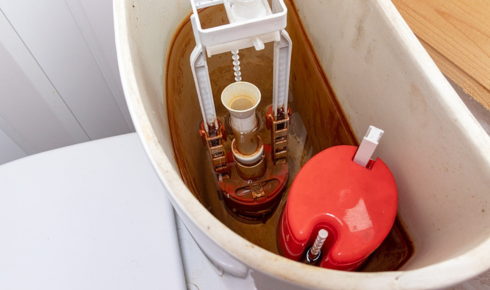
They’re not harmful in the way most people fear bacteria, but they’re… persistent. These microorganisms feed on iron in the water, creating a slimy residue that can build up inside pipes, tanks, and fixtures. Over time, you might notice reddish or brownish stains in sinks and toilets, or even a drop in water pressure.
It’s less about immediate health concerns and more about long-term annoyance and system wear. Still, ignoring it rarely makes things better.
Small Signs That Add Up
The tricky part about water issues is how gradually they develop. You don’t wake up one morning to completely unusable water. Instead, it’s a series of small moments:
- A slightly odd taste in your morning tea
- Stains that don’t quite scrub away
- A faint smell that lingers just a bit too long
Individually, they’re easy to dismiss. Together, they’re a pattern.
And patterns are worth paying attention to.
Fixing the Problem Without Overcomplicating It
Here’s the good news—most of these issues are manageable. You don’t need a complete overhaul or some overly technical solution that costs a fortune.
Often, it starts with a proper water test. Not a guess, not a quick assumption, but an actual analysis of what’s in your water. From there, solutions become much clearer.
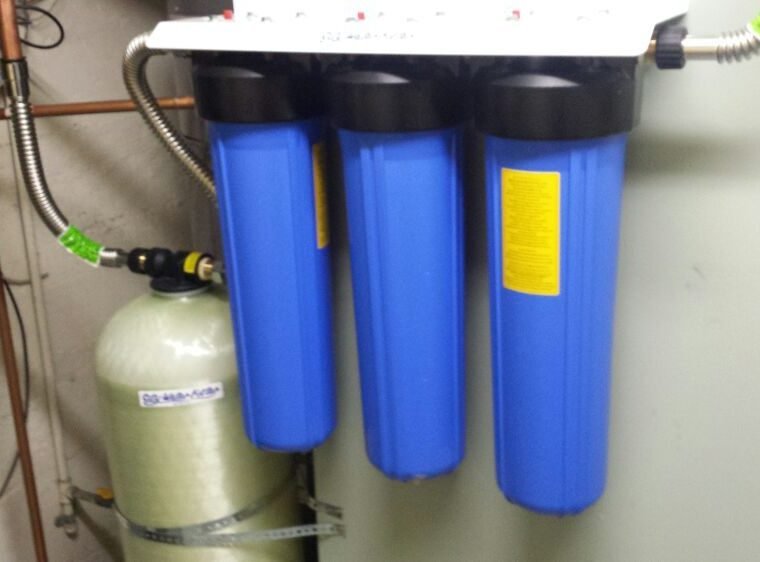
For sulfur-related odors, aeration systems or activated carbon filters can make a noticeable difference. In cases involving iron bacteria, shock chlorination or specialized filtration systems are commonly used to clean things up.
It’s not glamorous work, but it’s effective. And honestly, the peace of mind is worth it.
Living With Water You Can Trust
There’s something underrated about turning on a tap and not thinking twice about it. No hesitation, no second-guessing. Just water doing what it’s supposed to do.
That kind of reliability doesn’t happen by accident, especially with private wells. It comes from a bit of awareness, occasional maintenance, and the willingness to act when something feels off.
You don’t need to become a water expert overnight. Just staying curious—and maybe a little proactive—goes a long way.
A Final Thought, From One Homeowner to Another
If your water has been acting a little different lately, you’re not alone. It happens more often than people admit. And more importantly, it’s usually fixable.
Water has a way of telling its own story, if you’re willing to listen. A smell here, a stain there—it’s all part of a bigger picture.
And once you start paying attention, you realize it’s not about chasing perfection. It’s about creating a system that works for your home, your routine, your peace of mind.
Because at the end of the day, clean water shouldn’t be something you worry about. It should just… be there.