There’s a moment, right before any medical decision, where things go quiet. Not literally—but internally. You weigh options, replay conversations, maybe even google things you probably shouldn’t. Surgery, especially, has a way of making people pause like that.
But what’s interesting is how much that experience has changed over time. It’s no longer just about “fixing something.” It’s about understanding the why, the how, and—maybe most importantly—the what happens next.
The Changing Shape of Surgical Care
Not all surgeries feel the same, and they shouldn’t. Some are urgent, others planned weeks in advance. Some are straightforward, others layered with complexity. What’s shifted is how these experiences are handled.
Modern surgical treatment has become more thoughtful, less mechanical. Doctors spend more time explaining the process, outlining risks, and—this matters—listening. There’s a sense that patients are part of the journey, not just passengers.
You’ll notice it in the way consultations unfold. Instead of quick, one-sided explanations, there’s dialogue. Questions are encouraged, not brushed aside. It doesn’t remove the seriousness of surgery, but it softens the edges a little.
And sometimes, that’s exactly what people need.
When Technology Feels Almost Invisible
We talk a lot about innovation, but the best kind often fades into the background. It doesn’t demand attention—it just makes things better.
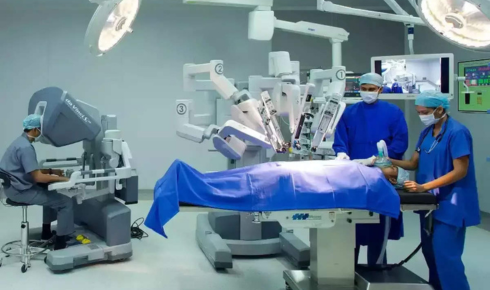
Take robotic surgery, for example. It sounds like something out of a futuristic film, but in practice, it’s surprisingly grounded. Surgeons guide robotic arms with incredible precision, allowing for movements that are steadier and more controlled than the human hand alone.
The benefits tend to show up quietly. Smaller incisions. Less blood loss. A recovery that feels… manageable. Patients often describe it as smoother than expected, which, in the context of surgery, is saying something.
Still, it’s worth remembering—technology isn’t leading the process. It’s supporting it. The real decisions, the critical thinking, the judgment calls—they all come from the surgeon.
And that human element keeps everything anchored.
Understanding the Body Beyond Symptoms
There’s a tendency to look at health issues in isolation. A symptom here, a diagnosis there. But the body doesn’t work that way—it’s interconnected, sometimes in ways we don’t immediately notice.
That’s especially true in endocrine care, where small glands have a big impact. Hormones regulate everything from metabolism to mood, and when something goes off balance, it can affect the entire system.
Surgery in this area requires a different kind of attention. It’s not just about removing or repairing—it’s about preserving function, maintaining balance. A thyroid procedure, for instance, isn’t just about the gland itself. It’s about how the body will respond afterward.
That level of complexity demands not just skill, but sensitivity. Surgeons have to think a few steps ahead, considering how today’s decisions will shape tomorrow’s outcomes.
The Experience Beyond the Procedure
If you’ve ever spoken to someone who’s gone through surgery, you’ll notice they rarely focus only on the operation. They talk about the people. The conversations. The small moments that made a difference.
A nurse explaining what to expect. A doctor checking in after hours. Even the way the environment feels—calm, organized, not chaotic.
These things aren’t listed in brochures, but they matter. They shape how patients experience care, how they remember it afterward.
And in many ways, they reflect a broader shift. Healthcare isn’t just about results anymore—it’s about experience.
Recovery Isn’t Just Physical
There’s a common assumption that once surgery is done, the hard part is over. But recovery has its own rhythm, its own challenges.
Modern medicine has gotten better at recognizing that. It’s not just about stitches healing or pain subsiding. It’s about energy levels, emotional well-being, the gradual return to normal life.
Doctors now often prepare patients for this phase in advance. What to expect, what’s normal, what isn’t. It’s a small thing, but it helps people feel less alone in the process.
And when recovery is approached with that kind of awareness, it tends to feel less overwhelming.
Choosing What Feels Right
For anyone facing surgery, the number of choices can feel daunting. Different procedures, different opinions, different paths forward.
But here’s the thing—there’s rarely a single “perfect” option. There’s the option that fits you. Your condition, your comfort level, your priorities.
That might mean opting for a less invasive approach. Or choosing a surgeon who takes more time to explain things. Or simply waiting until you feel ready.
It’s a personal decision, and it deserves that kind of attention.
A Quiet Evolution Worth Noticing
What stands out about modern surgery isn’t any one breakthrough. It’s the accumulation of small improvements—better tools, clearer communication, a deeper understanding of patient needs.
Individually, they might not seem dramatic. But together, they’ve reshaped the experience.
Surgery is still serious. It still requires trust, preparation, and a bit of courage. But it’s also become more approachable, more aligned with the realities of everyday life.
And maybe that’s the real progress—not just better outcomes, but a better way of getting there.