You don’t usually question your water. It’s one of those things that just works — until it doesn’t. Not in a dramatic, obvious way, but in small, almost forgettable moments.
A strange taste in your tea. A faint smell when you turn on the shower. Stains that seem to appear out of nowhere and refuse to leave. At first, it’s easy to shrug it off. But when those little signs start repeating, you realize your water might be telling you something you’ve been ignoring.
The Everyday Reality of Mineral Buildup
Let’s start with something many households quietly deal with — hard water. It doesn’t look dangerous. In fact, it often appears perfectly normal. But over time, it leaves its mark.
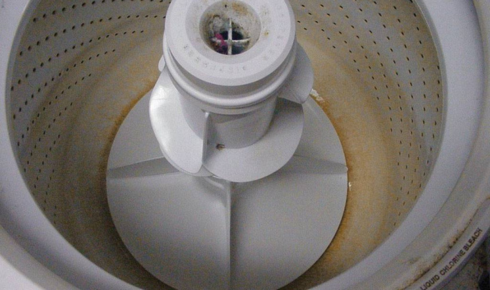
You’ll see it on your taps first — that chalky white residue that comes back no matter how often you clean. Then it shows up in your bathroom, on glass surfaces, inside kettles, even in your washing machine.
It also changes how things feel. Soap doesn’t lather properly. Clothes can feel a bit stiff after washing. Hair sometimes loses that smooth, soft texture. It’s not a crisis, but it’s definitely not ideal either.
And the longer it goes unnoticed, the more it builds up behind the scenes — in pipes, in appliances, quietly reducing efficiency.
That Familiar Chemical Smell
Then there’s the issue of chlorine. Most people have experienced it at some point — that slight swimming-pool-like smell when you turn on the tap, especially with hot water.
Now, chlorine is there for a reason. It helps disinfect water and keeps harmful bacteria under control. So in many ways, it’s doing its job.
But when it’s more noticeable than it should be, it can affect the overall experience. Drinking water may taste a bit off. Showers can feel slightly harsh on the skin. And the smell itself, while not overwhelming, lingers just enough to make you pause.
It’s one of those things you tolerate — until you start wondering if it could be better.
The Metallic Edge You Can’t Quite Ignore
If your water ever has a faint metallic taste or leaves reddish stains, you’re likely dealing with iron. This is especially common in areas that rely on groundwater sources.
At first, it might just be a minor inconvenience. A slight discoloration in your sink. Maybe your white clothes don’t come out quite as bright as they should.
But over time, it becomes more noticeable. The stains get harder to remove. Fixtures start to look worn. And that metallic taste? It sticks around longer than you’d like.
Iron itself isn’t always harmful in small amounts, but it can definitely affect how your water feels and functions in daily life.
When Water Starts Smelling… Off
Now, there’s one issue that tends to grab attention immediately — sulfur. If you’ve ever turned on your tap and caught a whiff of something like rotten eggs, you know exactly what this is.
It’s not subtle. It doesn’t fade into the background. It’s right there, making itself known.
This smell is usually caused by hydrogen sulfide gas in the water. While it’s typically not dangerous at low levels, it can make water unpleasant to use — for drinking, cooking, even bathing.
And once that smell settles into your pipes or appliances, it can linger in ways that feel hard to shake off.
Putting the Pieces Together
What’s interesting is how these issues rarely exist in isolation. A home dealing with hard water might also notice iron stains. Chlorine can sometimes mask other odors, only for them to appear later.
It’s a layered experience. And that’s why quick fixes don’t always solve the problem completely.
Understanding your water as a whole — rather than focusing on one symptom — tends to lead to better decisions. Whether it’s testing your water, observing patterns, or simply paying closer attention, awareness is where it starts.
Finding a Way That Works for You
There’s no universal solution here, and that’s actually a good thing. It means you’re not locked into a single approach.
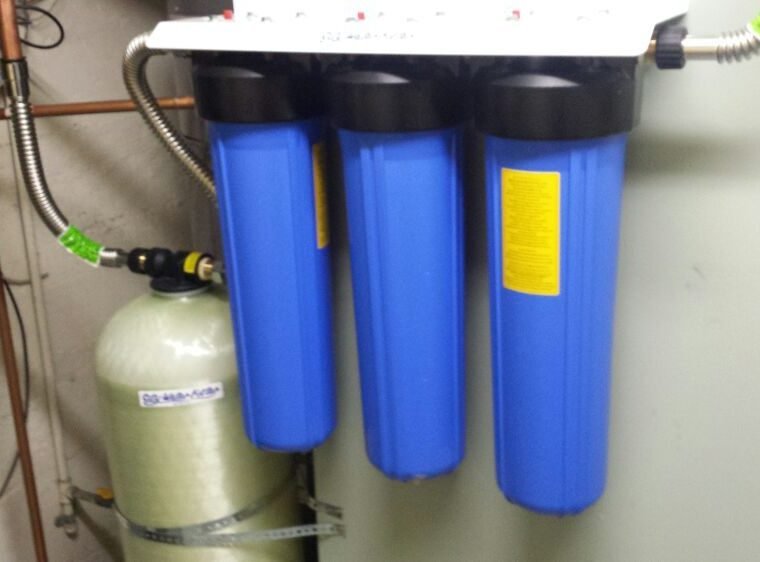
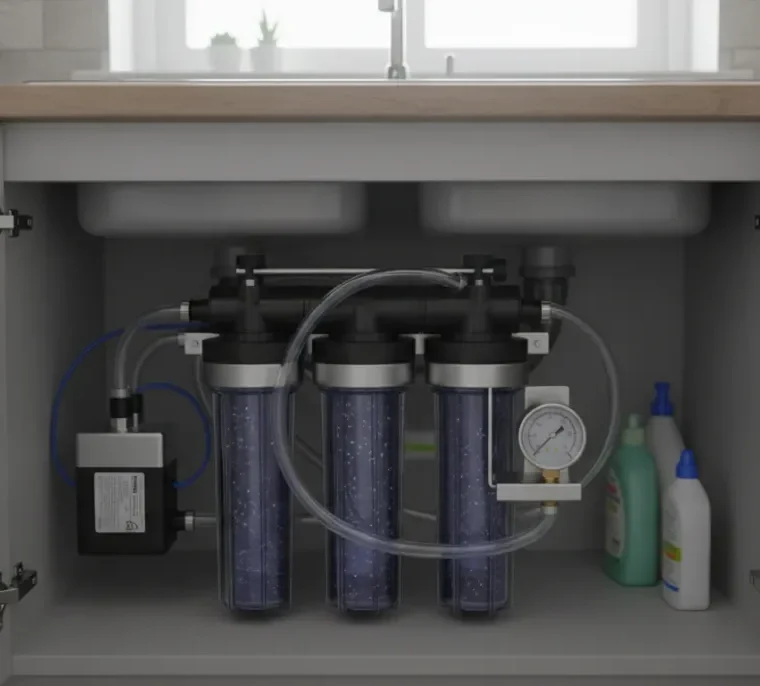
Some households benefit from softening systems. Others focus on filtration. In many cases, a combination of solutions works best — each addressing a different aspect of the problem.
The key is not to overcomplicate it. Start with what you notice. Taste, smell, texture — these are all valid clues. From there, you can explore options that make sense for your specific situation.
And it doesn’t have to happen all at once. Even small improvements can make a noticeable difference.
A Quiet Shift You’ll Appreciate Over Time
Water is one of those things that shapes your day in ways you don’t always see. It’s in your morning routine, your meals, your moments of rest.
When it feels right, you don’t think about it. And maybe that’s the goal.
Because better water isn’t about perfection. It’s about consistency. Comfort. That quiet confidence that what you’re using every day is working with you, not against you.
And once you experience that shift — even a small one — it tends to stay with you.