You don’t usually question water. It’s just there, doing its job—filling kettles, running showers, spinning through washing machines. But every so often, something feels a bit… off. Soap doesn’t lather like it should. Your glassware looks cloudy even after a wash. And your skin? Slightly dry, no matter how much you moisturize.
It’s easy to ignore. Life goes on. But these little clues often point to something quietly affecting your home every single day: hard water.
The Subtle Signs You Can’t Quite Explain
Hard water isn’t dramatic. It doesn’t announce itself with a loud problem or an urgent fix. Instead, it shows up in ways that are easy to brush off.
Maybe your taps have a chalky residue that never seems to go away. Or your clothes feel stiff, even fresh out of the wash. You might even notice your hair feels different—harder to rinse clean, somehow.
At first, these things seem unrelated. But they’re all part of the same story.
What’s Actually in Hard Water?
In simple terms, hard water contains higher levels of minerals like calcium and magnesium. These minerals aren’t harmful to drink, but they do change how water behaves.
They react with soap, leaving behind residue. They cling to surfaces, slowly building up over time. And they move through your plumbing system, affecting everything from pipes to appliances.
It’s not dangerous—but it’s not ideal either.
Finding Practical Fixes That Actually Help
Once people realize what’s going on, the next question is usually, “Okay, so what can I do about it?”
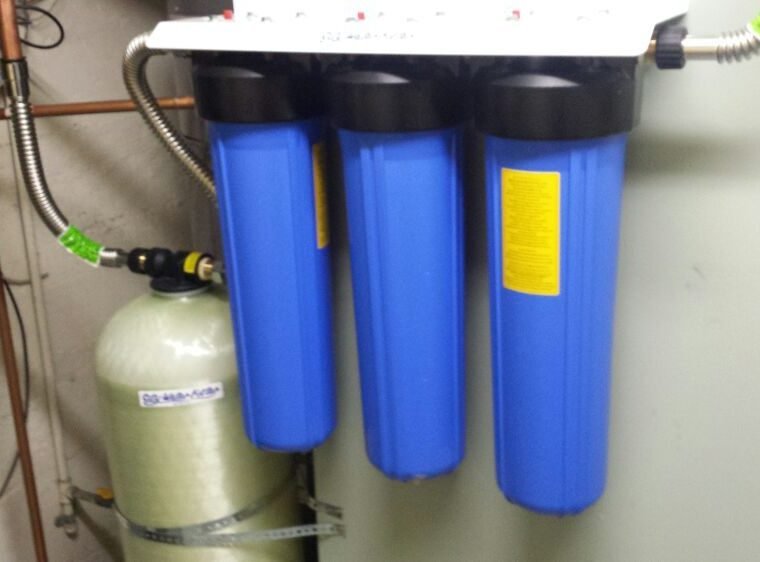
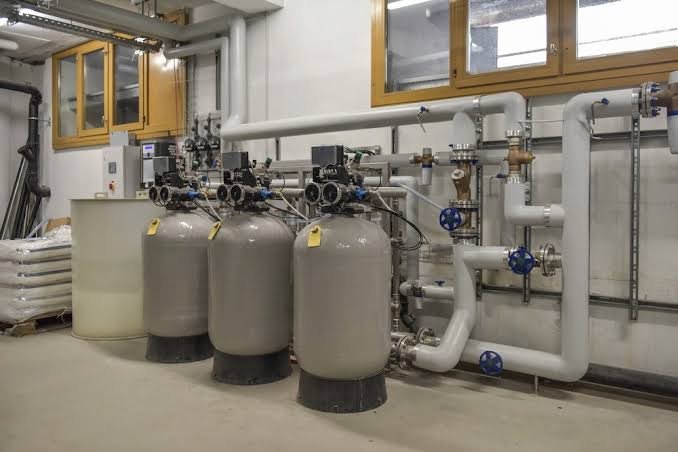
That’s where hard water solutions come into play. Not all of them are complicated or expensive, despite what you might expect. Some homes benefit from simple softening systems, while others use more targeted treatments depending on the severity.
The goal isn’t to remove every mineral—it’s to strike a balance. Enough to improve how your water feels and functions, without overengineering the whole setup.
And honestly, even a small improvement can be noticeable.
The Build-Up You Don’t See Right Away
One of the more frustrating aspects of hard water is how slowly it causes problems. You won’t wake up one morning to find your system completely clogged. It’s more of a gradual process.
Minerals start to settle in pipes, heating elements, and fixtures. Over time, they form a layer—thin at first, then thicker, harder to ignore.
That’s when scale buildup removal becomes necessary. It’s not just about cleaning visible spots on taps or showerheads. It’s about addressing what’s happening inside your system, where the real impact lies.
Left untreated, that buildup can reduce efficiency and increase wear in ways that aren’t immediately obvious.
Why Your Appliances Might Be Working Harder
Think about all the devices in your home that rely on water—your washing machine, dishwasher, water heater. They’re designed to work efficiently, but hard water makes them work harder than they should.
Heating elements get coated. Pipes narrow slightly. Performance dips, even if everything seems “fine” on the surface.
That’s where the idea of appliance protection becomes more important than it first appears. It’s not about adding extra gadgets or complexity—it’s about reducing the strain on systems you already depend on.
And when those systems last longer and perform better, you feel the difference without even realizing why.
The Everyday Improvements You Didn’t Expect
Fixing hard water issues doesn’t usually come with a dramatic before-and-after moment. Instead, it’s a series of small, satisfying changes.
Your dishes come out cleaner. Your laundry feels softer. Showers feel… better. Less residue, more comfort.
Even things like cleaning become easier—less scrubbing, fewer stubborn marks.
It’s not life-changing in a big, flashy way. But it improves the rhythm of everyday life in subtle, consistent ways.
Keeping It Simple, Not Perfect
It’s easy to fall into the trap of trying to find the “perfect” solution. The best system, the most advanced setup, the ideal configuration.
But in reality, you don’t need perfection. You need something that works for your home, your water, your daily routine.
Start with understanding your water quality. From there, choose a solution that addresses the main issues without overcomplicating things.
Sometimes, simple really is better.
Final Thoughts: Paying Attention to What’s Always Been There
Water is one of those things we take for granted until it starts behaving differently. And even then, we often adjust rather than question it.
But paying attention—really paying attention—can lead to small improvements that make a big difference over time.
Hard water isn’t a crisis. It’s just a condition. One that can be managed, improved, and, in many cases, quietly solved.
And once you do, you might find yourself enjoying something you never thought twice about before—a simple glass of water, doing exactly what it should.