Most homeowners don’t spend much time thinking about their plumbing. If the shower runs hot, the kitchen sink drains properly, and the toilet behaves itself, everything feels fine. It’s only when something starts making strange noises or water appears where it shouldn’t that plumbing suddenly becomes a priority.
The trouble is that many plumbing problems develop quietly. A small leak can go unnoticed for weeks, a drain can gradually collect debris, and an ageing water heater may show warning signs long before it stops working altogether. Paying attention to these everyday details can help you avoid expensive repairs and keep your home running comfortably.
The good news? You don’t need to understand every pipe and valve in your house. A few practical habits, regular inspections, and timely professional help can make a genuine difference.
Why Your Water Heater Deserves More Attention
Hot water is one of those modern comforts that’s easy to take for granted. You notice it when the morning shower turns cold halfway through or when washing dishes becomes an uncomfortable chore. Until then, the water heater tends to sit quietly in a cupboard, utility room, or corner of the garage.
Different water heaters have different maintenance needs. Traditional storage models hold heated water in a tank, while tankless systems heat water as it flows through the unit. Both can work reliably for years, but neither is completely maintenance-free.
Keep an eye out for inconsistent water temperatures, unusual rumbling noises, visible corrosion, or moisture around the unit. These signs don’t always mean the heater needs replacing, but they shouldn’t be ignored. A professional inspection can help determine whether the issue involves a faulty component, sediment accumulation, a pressure-related concern, or normal ageing.
It’s also worth checking the manufacturer’s maintenance recommendations. Depending on the model and local water conditions, the unit may need periodic flushing, inspection of safety components, or other servicing. Hard water, which contains elevated levels of dissolved minerals, can contribute to scale buildup and affect performance over time.
Never attempt repairs involving gas connections or electrical components unless you’re properly qualified. Water heaters combine heat, pressure, and sometimes electricity or combustible gas, so a little caution is essential.
The Small Drain Problems That Become Big Ones
A slow kitchen sink isn’t necessarily an emergency. In fact, many people simply work around it for weeks, pouring water into the basin and waiting for it to disappear. But a drain that repeatedly slows down is usually telling you something.
Kitchen drains commonly collect grease, food particles, and soap residue. Bathroom drains tend to trap hair, personal-care products, and other debris. Over time, this material can narrow the passage through which wastewater flows.
Regular drain cleaning helps prevent stubborn blockages and keeps water moving as it should. For everyday maintenance, remove visible debris from drain strainers and avoid pouring cooking oil or melted fat into the sink. Grease may look harmless while it’s warm, but it can cool inside the pipes and cling to their surfaces.
Be careful with chemical drain cleaners, too. Some products can damage certain pipes or create hazardous conditions if mixed with other cleaners. If a blockage keeps returning, it’s better to identify its cause than repeatedly attack the symptoms.
A professional plumber may use mechanical tools or specialised equipment to remove stubborn buildup. If several drains are slow at once, or wastewater backs up into a shower or floor drain, the problem could be deeper in the drainage system. Persistent foul odours and gurgling sounds also deserve attention, particularly when they occur alongside other symptoms.
The key is not to panic over every slow drain, but not to dismiss repeated problems either.
Protecting Your Home’s Water Supply
Clean drinking water is something most households expect to have every day. Yet plumbing systems can sometimes allow contaminated water to move in the wrong direction if protective devices fail or conditions change.
This is where backflow prevention becomes important. Backflow occurs when water flows opposite to its intended direction, potentially carrying contaminants into a clean water supply. It can happen because of changes in water pressure, such as a supply interruption or a sudden pressure drop.
Homes and commercial properties with certain irrigation systems, chemical connections, or other higher-risk plumbing arrangements may require specific backflow prevention measures. The exact requirements depend on local regulations and the type of installation.
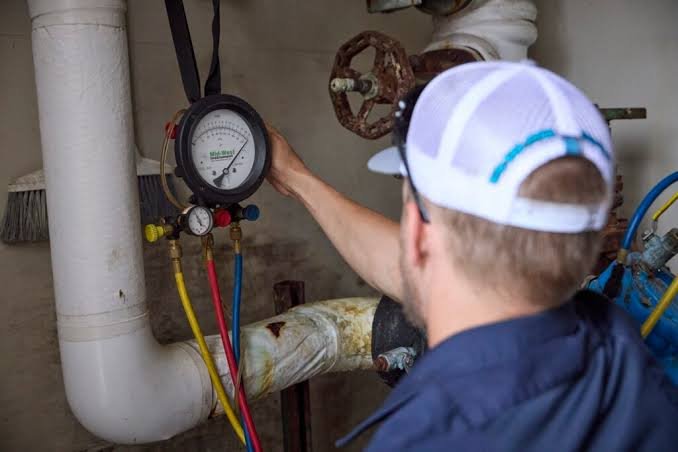
Scheduled backflow testing checks whether an applicable prevention device is operating correctly. Where testing is required, it should be carried out by a qualified professional using the appropriate equipment. If the device fails, it may need servicing or replacement before it can reliably protect the water supply.
Even if your property doesn’t require routine testing under local rules, it’s worth understanding whether any backflow prevention devices are installed and what maintenance they need. This is especially relevant for property owners managing irrigation systems or buildings with more complex plumbing.
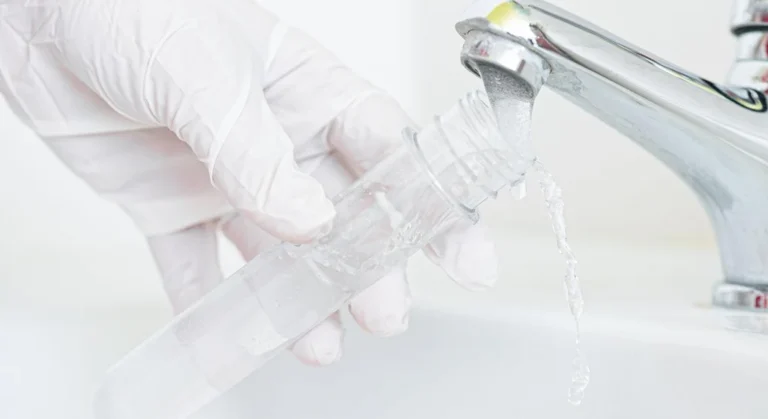
Never assume that clear-looking water is necessarily free from contamination. Water quality and plumbing safety depend on more than appearance alone.
Recognising the Warning Signs Around the House
Plumbing issues often reveal themselves through little changes in daily life. Perhaps the water pressure feels weaker than usual, a toilet keeps refilling, or there’s a damp smell in a room that normally stays dry. These details may seem insignificant on their own, but patterns matter.
Make a habit of looking beneath kitchen and bathroom sinks every few weeks. Check exposed pipes, visible connections, and the area around appliances that use water. Look for corrosion, water stains, swollen cabinet surfaces, or unexplained puddles.
Your water bill can offer another useful clue. If consumption rises unexpectedly and your household habits haven’t changed, a hidden leak may be worth investigating. You can also check your water meter when no water is being used, following the meter’s instructions, to see whether it continues registering consumption. This isn’t a definitive diagnosis, but it can help identify a potential issue.
If a pipe bursts or water begins spreading rapidly, shut off the main water supply if it’s safe to do so. Avoid touching electrical equipment in wet areas, and call a qualified plumber for assistance. Acting quickly can limit damage to flooring, walls, furniture, and personal belongings.
Routine Maintenance Is Usually Worth the Effort
Preventive maintenance doesn’t have to mean expensive inspections every month. It’s more about knowing your home and addressing small concerns before they become disruptive.
Avoid using toilets as waste bins, keep drain strainers clear, and investigate unexplained dampness rather than covering it up. Follow maintenance instructions for water heaters and other plumbing appliances, and arrange professional help when a problem falls outside your experience.
If you live in an older property, periodic plumbing assessments can be particularly useful. Ageing pipework, outdated fixtures, and previous repairs may create vulnerabilities that aren’t obvious during everyday use.
It’s also sensible to know where the main water shut-off valve is located. In a plumbing emergency, finding it quickly can save valuable time.
A More Reliable Plumbing System Starts With Simple Choices
A healthy plumbing system rarely attracts much attention, and that’s exactly how most homeowners prefer it. Reliable hot water, drains that work properly, and safe water connections make everyday life easier without asking for much in return.
Pay attention to changes, follow sensible maintenance routines, and seek professional advice when something doesn’t seem right. Not every plumbing problem can be prevented, of course, but many can be caught early enough to avoid unnecessary disruption.
A little care today can mean fewer surprises tomorrow. And when your plumbing works the way it should, you can get back to the things that matter more than thinking about pipes.