Water treatment can feel surprisingly complicated. Walk into any home improvement store or browse online, and you’ll find filters, softeners, membranes, UV systems, carbon cartridges, mineral tanks, and plenty of technical terms that don’t exactly make the decision easier.
Yet the basic idea is fairly simple: understand what’s in your water, decide what you want to improve, and choose technology that addresses those specific concerns.
A whole-home system may be useful for improving water throughout the house, while drinking-water systems can provide a more targeted level of treatment at the kitchen sink. UV treatment, meanwhile, takes a different approach by focusing on microorganisms. These technologies aren’t interchangeable, and that’s actually a good thing. Each has a particular job to do.
Start With the Water You Actually Have
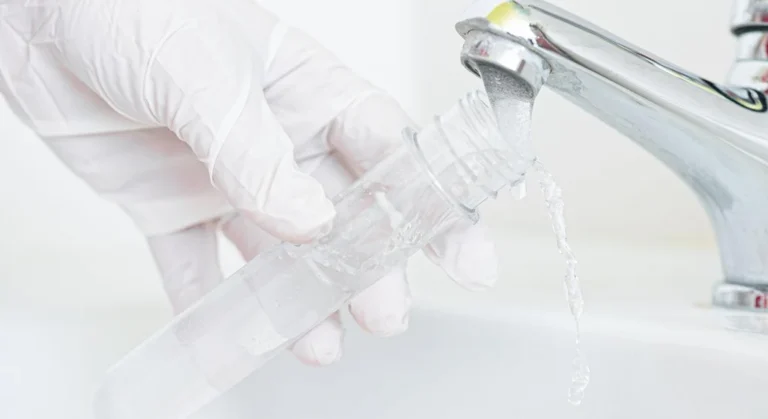
Before choosing equipment, test the water. It sounds obvious, but this step gets skipped surprisingly often.
Water from a municipal supply can have different characteristics from private well water. Even homes in the same neighborhood can experience different plumbing conditions, mineral levels, or taste concerns. A water test can identify issues such as hardness, iron, manganese, chlorine, sediment, pH, and certain microbiological indicators.
Once you know the problem, choosing treatment becomes much less mysterious.
For instance, a homeowner bothered by hard-water scale may need softening rather than an expensive purification system. Someone concerned about chlorine taste may benefit from activated carbon filtration. If microorganisms are the concern, disinfection may be more appropriate.
The smartest system is usually the one that solves the actual problem—not the one with the longest list of features.
What Whole-Home Filtration Really Means
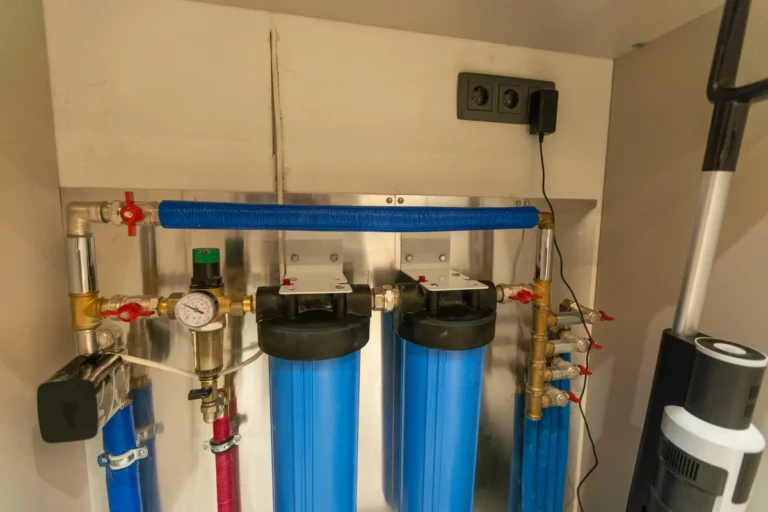
Whole-home filtration is designed to treat water as it enters the property, allowing treated water to travel through the home’s plumbing.
This can be convenient because showers, bathroom faucets, laundry appliances, and kitchen taps can all receive treated water. Instead of installing separate filters at several outlets, one central system handles the incoming supply.
However, whole-home systems vary considerably. Some focus mainly on sediment. Others use carbon media to reduce chlorine and certain taste- and-odor compounds. More specialized systems can address particular contaminants identified through water testing.
Professional installation can also make a difference. kinetico whole-home water filtration system installations are one example of a professionally planned approach where equipment selection, plumbing configuration, flow requirements, and ongoing maintenance all need to be considered together.
The important thing isn’t simply having a whole-home filter. It’s having one correctly sized and configured for the home’s water conditions.
Why Drinking Water May Need a Different Approach
Whole-home filtration and drinking-water purification don’t necessarily have to compete. In many homes, they work well together.
A whole-house system can address general water-quality concerns, while a point-of-use system can provide additional treatment for drinking and cooking water.
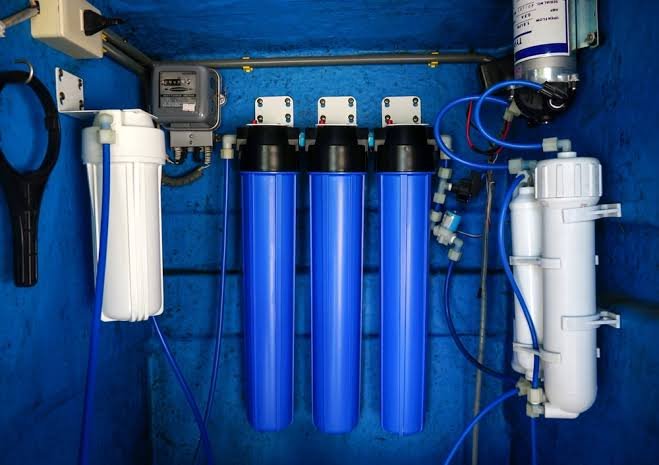
Reverse osmosis is a popular example. An RO system pushes water through a semipermeable membrane, reducing many dissolved substances. Depending on the specific system and membrane, it can reduce certain salts, minerals, and other contaminants.
reverse osmosis drinking water systems are often installed beneath a kitchen sink and connected to a dedicated faucet. This focused design means the system doesn’t necessarily need to process every gallon used in the home.
There are trade-offs, of course. RO systems typically produce some wastewater during operation, require filter and membrane replacement, and may remove minerals that some homeowners prefer to retain. Good systems are designed to manage these factors, but they still deserve consideration before installation.
Where UV Disinfection Fits In
UV treatment serves a different purpose from filtration and reverse osmosis.
uv disinfection technology uses ultraviolet light to inactivate microorganisms as water passes through the treatment chamber. When the system is properly sized, maintained, and operated under suitable water conditions, UV can be an effective component of a microbial-control strategy.
One important detail is that UV doesn’t remove sediment or dissolved minerals. If water contains significant turbidity, particles can interfere with UV exposure. That’s why pre-filtration is often an important part of a UV installation.
A typical treatment train might therefore involve sediment filtration first, followed by other filtration or conditioning and then UV treatment where microbial control is required.
Again, the order matters. Water treatment isn’t just about individual devices; it’s about how those devices work together.
Matching Treatment to the Source
Municipal water and private well water can present very different challenges.
Municipal supplies are generally treated before reaching homes, although homeowners may still have concerns about taste, chlorine, hardness, or aging household plumbing. In these situations, filtration or conditioning may be chosen to improve the water’s characteristics.
Private wells require a more individualized approach. Well chemistry can vary because groundwater interacts with local rock and soil. Iron stains, sulfur odors, hardness, sediment, and microbial concerns can all occur, depending on the property.
That makes regular well-water testing especially valuable. Treatment should respond to measured conditions rather than assumptions based on what a neighbor has installed.
Don’t Overlook Flow Rate
A water-treatment system can perform well in a laboratory and still be frustrating in a busy household if it’s undersized.
Consider what happens during a normal morning. Someone is showering while another person starts the washing machine and someone else turns on a kitchen faucet. The system needs to handle the required flow without creating an unnecessary pressure drop.
Flow rate and pressure requirements should therefore be part of the installation conversation. A professional can assess the home’s plumbing, incoming pressure, expected demand, and available installation space.
This is one of those details that isn’t particularly exciting until it’s wrong.
Maintenance Keeps Treatment Working
Every treatment technology needs some form of maintenance.
Filter cartridges have to be changed. Carbon media eventually reaches capacity. RO membranes need replacement according to water quality and manufacturer guidance. UV systems require attention to lamps and quartz sleeves.
Ignoring maintenance can undermine an otherwise good investment.
A simple maintenance log can help. Write down installation dates, cartridge changes, membrane replacements, and service visits. It takes only a few minutes, but months later you’ll be glad you did.
Homeowners should also watch for changes in taste, odor, pressure, leaks, or system alerts. These don’t automatically mean the equipment has failed, but they are reasons to investigate.
Think About the Whole Cost
The purchase price is only one part of the equation.
Before selecting a system, consider installation, replacement filters, membranes, media, electricity, water usage, servicing, and expected equipment lifespan. A lower-cost system can become expensive if replacement components are difficult to find or require frequent servicing.
Conversely, a more sophisticated system may make sense when it is properly matched to the home’s needs and expected to operate for many years.
Ask questions about warranties, maintenance intervals, replacement parts, and service availability. Clear answers are more useful than a sales pitch full of technical jargon.
Better Treatment Starts With a Clear Plan
There isn’t one universal water-treatment system for every home, and there doesn’t need to be.
Whole-home filtration can provide broad treatment across the property. Reverse osmosis can offer more intensive purification at a drinking-water outlet. UV can provide microbial control where appropriate. Sometimes one technology is enough; sometimes several work together.
The key is to avoid treating water blindly.
Start with testing. Understand the results. Identify which concerns actually matter to your household. Then consider equipment size, installation, maintenance, and long-term costs.
Good water treatment is rarely about buying the most complicated setup available. It’s about creating a sensible system that fits the water, the house, and the people living there. When those three pieces line up, clean and dependable water becomes less of a technical project and more of what it should be: something you simply trust every day.