Water is one of those everyday essentials that doesn’t get much attention until it starts causing trouble. A little white scale around the faucet. Soap that doesn’t seem to rinse properly. A strange taste in the morning coffee. Maybe the water looks fine, but your appliances are slowly collecting mineral buildup.
These problems can be frustrating, but they don’t always require the same solution. That’s where understanding the difference between softening, conditioning, and filtration becomes useful. Each approach has a different purpose, and choosing the right one starts with knowing what you’re actually trying to fix.
Start With the Water You Have
Before choosing equipment, take a close look at your water. Where does it come from? Is it municipal water or a private well? Have you noticed staining, odors, hard-water deposits, or changes in taste?
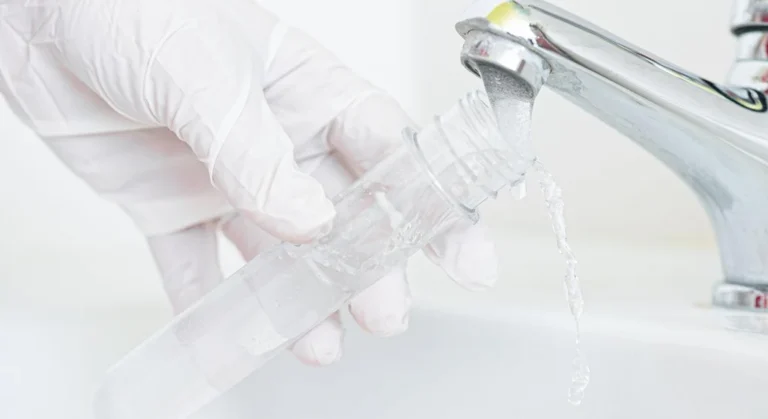
A water test can provide a much clearer picture. It may reveal hardness, pH, sediment, iron, minerals, chlorine, or other characteristics that aren’t visible in a glass of water.
This information matters because a system designed for one problem may do very little for another. Buying equipment first and figuring out the problem later is, well, putting the cart before the horse.
What Water Softening Actually Does
Hard water contains minerals such as calcium and magnesium. As water travels through plumbing and gets heated, these minerals can leave behind scale.
A traditional softening approach uses ion exchange to reduce those hardness minerals. When water softeners and conditioning are discussed together, it’s important to understand that they aren’t necessarily the same thing.
Water softeners specifically target hardness. They can help reduce mineral deposits on faucets, showerheads, water heaters, and other equipment. Many homeowners also notice that soaps and detergents work more effectively after hardness is reduced.
However, a softener isn’t designed to remove every unwanted substance from water. That’s where filtration comes into the picture.
Conditioning Takes a Different Approach
Water conditioning is a broader term and can refer to different technologies. Some conditioning systems are designed to alter the behavior of hardness minerals rather than physically remove them.
This distinction can matter to homeowners who are mainly concerned about scale but don’t necessarily want a conventional softener.
The right choice depends on the water chemistry, the plumbing, household preferences, and what you’re hoping to accomplish. There isn’t a one-size-fits-all answer.
And that’s actually a good thing. It means you can choose based on your home’s needs instead of forcing every water problem into the same solution.
Where Water Filtration Fits In
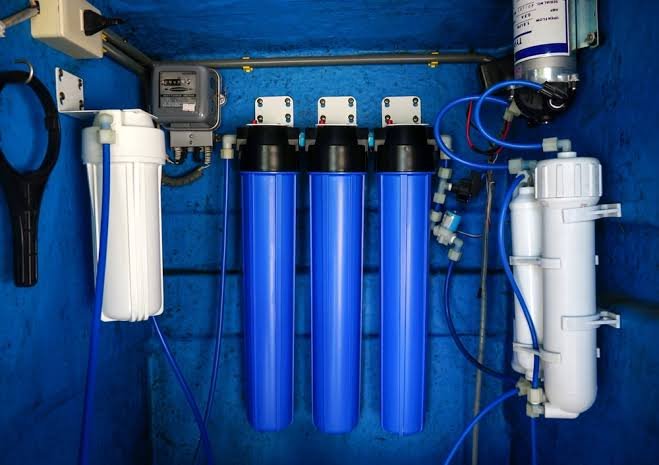
Filtration works differently from softening. Instead of focusing primarily on hardness minerals, water filtration can be used to target substances such as sediment, chlorine, certain odors, and other contaminants depending on the filter technology.
For example, activated carbon filtration is commonly used to improve taste and reduce certain chemicals. Sediment filters can capture particles that may otherwise make their way through plumbing.
More specialized systems can target other water-quality concerns. The important point is that the filter must be matched to the substance you’re trying to reduce.
A filter isn’t automatically better because it has more stages. What matters is whether those stages are actually useful for your water.
Whole-Home Treatment Has Its Advantages
Some homeowners only want better water at the kitchen sink, particularly for drinking and cooking. Others want treated water throughout the house.
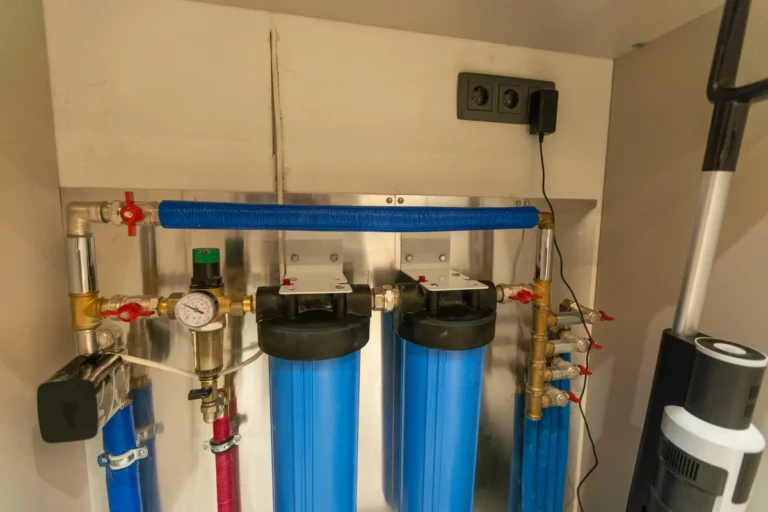
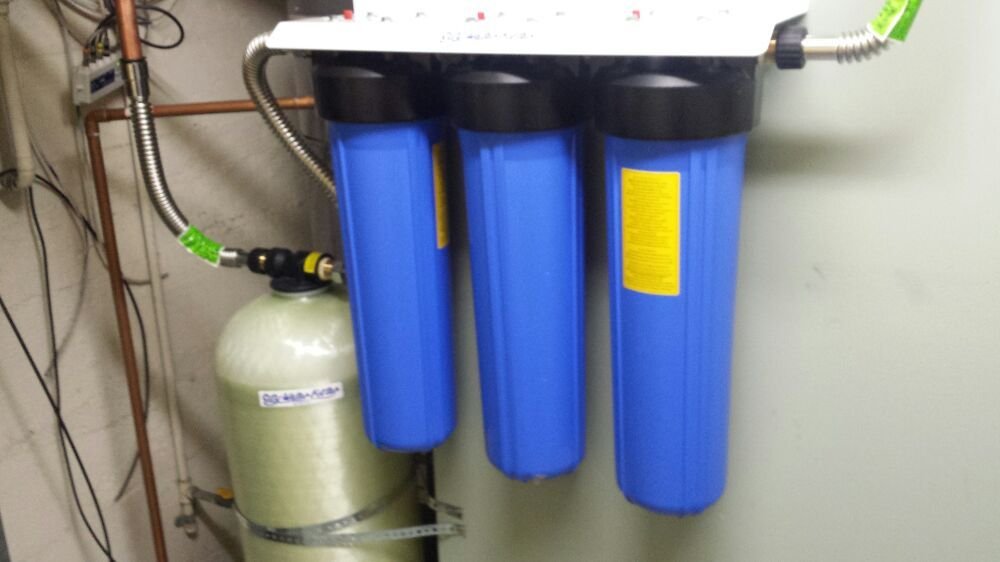
A whole-home filtration system treats water as it enters the property, allowing filtered water to reach multiple fixtures. That can be useful when the concern isn’t limited to one faucet.
Imagine dealing with unpleasant odors every time you shower, wash clothes, or fill a bathtub. Treating only the kitchen tap wouldn’t solve much of that problem.
Whole-home systems can also be convenient because they provide a centralized treatment point. Still, proper sizing and filter selection are important. A system that’s too small for the household may require frequent maintenance or struggle to keep up with demand.
Think About Your Appliances, Too
Water quality affects more than what comes out of your drinking glass.
Hard water can contribute to scale inside water heaters, dishwashers, washing machines, coffee makers, and other equipment. Sediment can also create problems in certain plumbing components.
This doesn’t mean water treatment will magically make appliances last forever. They still need normal cleaning and maintenance. But addressing problematic water conditions can be one useful part of protecting equipment.
For many homeowners, that’s an overlooked benefit. Better water isn’t only about comfort; it can also be about reducing the wear and tear that happens quietly over time.
Maintenance Shouldn’t Be an Afterthought
Whatever system you choose, maintenance matters.
Filters eventually become saturated. Softener components need attention. Conditioning equipment may require periodic inspection. Even high-quality systems can perform poorly when they’re neglected.
Keep track of filter replacement dates and follow the manufacturer’s recommendations. Pay attention to changes in water pressure, taste, odor, or appearance.
If a system suddenly starts behaving differently, don’t assume it will correct itself. Sometimes the fix is simple, such as replacing a filter. Other times, a technician may need to inspect the equipment.
Choosing the Right Combination
Some homes benefit from a single treatment method. Others may need a combination.
For example, a household with hard water and an unpleasant chlorine taste might benefit from both softening and filtration. Another home may have relatively soft water but still need filtration because of sediment or another concern.
The best setup depends on test results and priorities. Think about what bothers you most, what you want to improve, and how much maintenance you’re comfortable handling.
A professional water treatment provider can help interpret test results and explain the differences between available systems. A good recommendation should make sense for your actual water—not simply for the sales pitch.
Better Water Starts With the Right Question
Choosing water treatment equipment doesn’t have to feel like a technical puzzle. Start with a simpler question: What exactly is wrong with my water?
Once you know that, the options become much easier to understand.
Softening can address hardness. Conditioning can provide an alternative approach to managing certain scale concerns. Filtration can target specific unwanted substances. In some homes, combining technologies may provide the most practical result.
The goal isn’t to install the most complicated system available. It’s to find the solution that quietly does what your household needs.
When your water tastes better, your fixtures stay cleaner, and your appliances aren’t fighting unnecessary mineral buildup, you’ll probably stop thinking about the treatment equipment altogether. And honestly, that’s a pretty good sign that you got it right.