Water is one of those household essentials that usually stays out of mind until it starts acting differently. A strange taste in your morning coffee, a white ring around the faucet, or a faint smell when you fill a glass can suddenly make you wonder what, exactly, is coming through the pipes.
Usually, the answer isn’t dramatic. Water contains naturally occurring minerals and may also undergo treatment before it reaches your home. Depending on where you live and where your water comes from, those characteristics can affect taste, smell, plumbing, appliances, and the overall experience of using water every day.
Understanding a few of the common factors can make water treatment feel much less complicated.
Why Water Can Taste Different From One Home to Another
Two houses on the same street can sometimes have noticeably different water experiences. That’s because water doesn’t exist in a vacuum. It interacts with the source, treatment process, distribution system, household plumbing, and fixtures along the way.
Municipal water supplies are commonly disinfected before distribution. This helps control microorganisms, but the treatment process can sometimes influence taste and smell. Chlorine, for example, may be noticeable to some people even when the water meets applicable quality requirements.
Taste is subjective, of course. One person may barely notice it, while another may avoid drinking tap water altogether.
If taste is the main complaint, activated carbon filtration is often considered because it can reduce certain compounds associated with unpleasant tastes and odors. The appropriate filter, however, depends on the specific water characteristics and how much water the household uses.
Hard Water Is Mostly a Household Nuisance
Hard water gets a bad reputation, but it’s worth putting the issue in perspective.
The primary minerals associated with hardness are calcium and magnesium. They’re naturally occurring minerals, and their presence doesn’t automatically mean the water is unsafe.
The trouble comes from what those minerals leave behind.
Hard water can create scale on showerheads, faucets, kettles, coffee machines, dishwashers, and water heaters. You may also notice spots on glasses or find that soap seems strangely reluctant to lather.
Over time, mineral buildup can become a maintenance issue. Water heaters and other appliances that regularly heat water may be particularly affected because heat encourages scale formation.
A properly selected water softener can reduce hardness and help manage these everyday problems. But sizing matters. A system designed for a large household may be unnecessary for a small one, while an undersized unit may struggle to keep up.
Look at the Clues Around Your Home
Your house can tell you quite a bit about its water.
White crust around faucets often points toward mineral deposits. Orange or reddish staining can suggest iron. A rotten-egg-like odor may have a different cause. Cloudy water could be related to air, sediment, or another issue.
These clues aren’t enough to diagnose a water problem by themselves, but they’re useful observations.
Pay attention to when the issue happens. Does the water smell only when it’s hot? Does the taste improve after the faucet runs for a while? Is the problem limited to one bathroom?
Those details can help distinguish a household plumbing issue from something affecting the incoming water supply.
Testing Removes the Guesswork
When water behaves strangely, it’s tempting to buy a filter immediately. After all, there are hundreds of products promising better-tasting, cleaner water.
But buying first and testing later can lead to wasted money.
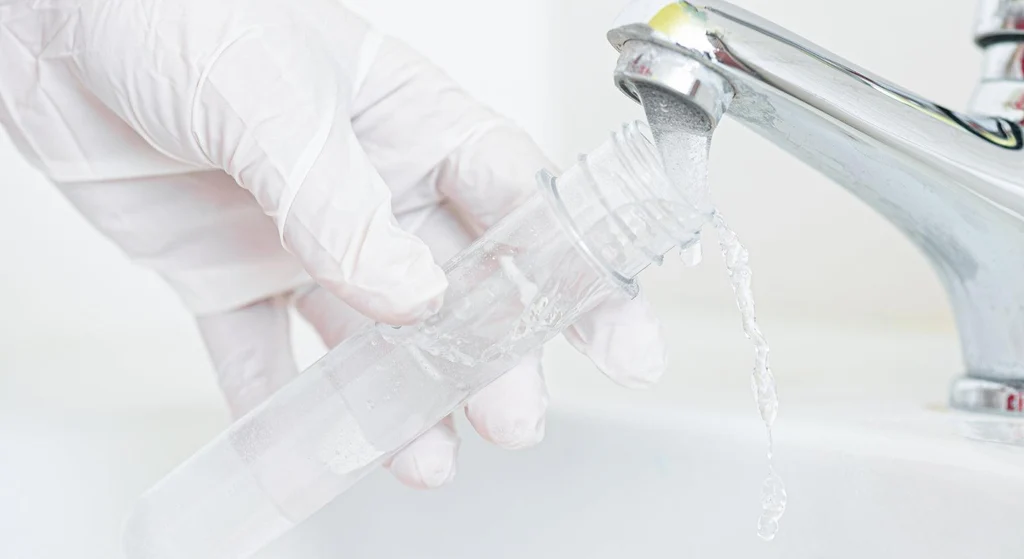
A free water analysis can provide a useful starting point for understanding what is actually happening. Depending on the testing process, homeowners may learn more about hardness, pH, iron, sediment, or other characteristics that influence treatment decisions.
The value isn’t simply getting a report full of numbers. It’s knowing which numbers matter for your particular situation.
If hardness is high, softening may make sense. If taste and odor are the main concerns, filtration may be more appropriate. If testing identifies a specific contaminant, specialized treatment may be necessary.
Not Every Filter Does the Same Job
This is an easy point to overlook.
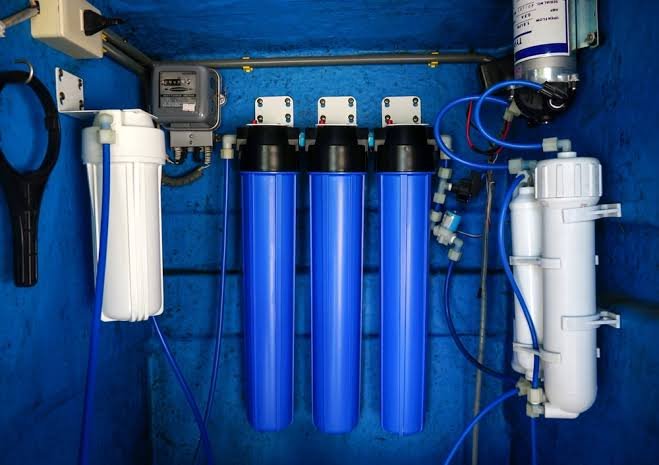
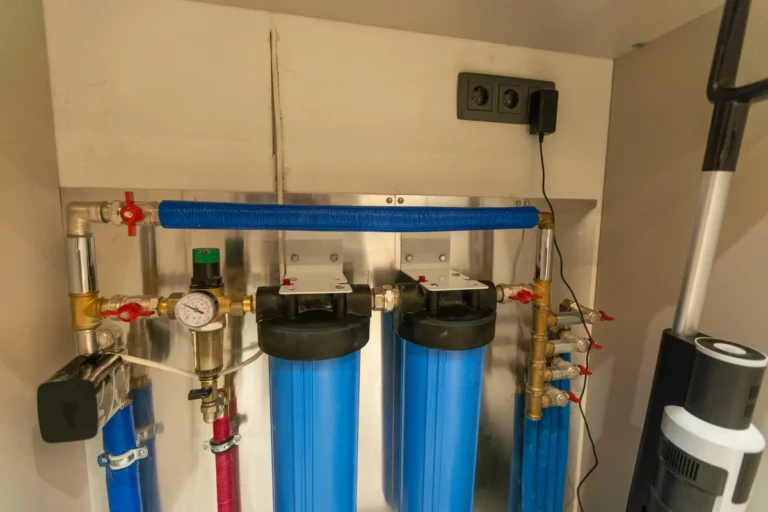
A sediment filter is designed to capture suspended particles. A carbon filter can target certain taste and odor compounds. A softener addresses hardness minerals. Reverse osmosis works differently again and may be considered for certain dissolved substances in drinking water.
There’s no universal filter that handles every problem perfectly.
That’s why phrases such as “multi-stage” or “advanced” shouldn’t be the deciding factor. More stages aren’t automatically better. Each stage should have a purpose.
A treatment system with three useful stages may be far more practical than a seven-stage system where several components aren’t actually needed.
Think About Drinking Water Separately
Whole-home treatment and drinking-water treatment don’t necessarily have to be identical.
A homeowner may want softened or filtered water throughout the house while also choosing an additional point-of-use system for drinking and cooking. This approach can make sense when the main concern is improving the quality or taste of water consumed directly.
Reverse osmosis is one option often used for point-of-use treatment. Carbon filtration is another common choice when taste and odor are the primary concerns.
The best approach depends on the source water and what testing shows. There’s no prize for choosing the most complicated setup.
Your Plumbing Could Be Part of the Story
Sometimes the water source gets blamed for a problem that actually originates inside the house.
Older plumbing, fixtures, water heaters, and localized corrosion can influence the water that comes from a particular faucet. If the problem happens in just one location, investigate that area before assuming the entire home needs treatment.
Try another faucet. Compare cold and hot water. Let the water run briefly and see whether the appearance or taste changes.
Simple observations can provide surprisingly useful clues.
Maintenance Is Where Good Systems Prove Their Worth
Even the right water treatment equipment needs care.
Filters eventually become saturated. Softener settings may need adjustment. Membranes require replacement. Connections and valves can develop problems.
Ignoring maintenance can gradually undo the benefits of a system. Water may begin tasting different again, pressure can change, or equipment may simply stop performing as it should.
A simple maintenance calendar helps. Keep track of filter changes and service requirements, and don’t wait until water quality has noticeably deteriorated before checking the equipment.
Don’t Treat Every Water Problem as an Emergency
It’s easy to become overwhelmed by online discussions about water contaminants. Some concerns are legitimate, but not every strange taste or mineral deposit means there’s a dangerous problem.
The sensible approach is to identify the symptom, test when appropriate, and interpret the results carefully.
Hard water may be mainly a scale issue. Chlorinated water may be perfectly suitable but unpleasant to some people’s taste. Sediment could be related to plumbing or the source. Each situation deserves its own answer.
Better Water Begins With Understanding
Water treatment works best when it’s based on information rather than fear or clever marketing.
Start by noticing what’s happening around your home. Test the water when you have a reason to investigate. Understand what the results mean, and then choose equipment designed for the actual problem.
The goal isn’t to make your water unnaturally complicated. It’s to make everyday water more comfortable, useful, and enjoyable.
Once you understand the minerals, treatment processes, and household factors affecting your supply, those strange tastes, stubborn spots, and mysterious deposits become a lot less mysterious. And that’s a much better place to start than simply buying the biggest filter on the shelf.