There’s a certain comfort in a home that has been around for years. The pipes have carried countless showers, the water heater has handled thousands of mornings, and the kitchen faucet has probably filled more glasses than anyone could count.
But older water equipment doesn’t always announce when it needs attention. Sometimes the warning is a dripping connection. Sometimes it’s weaker water pressure, strange noises, an unpleasant taste, or a filter that seems to clog much faster than it used to.
The good news is that replacing everything isn’t always necessary. With proper inspection, maintenance, and a sensible repair strategy, existing water equipment can often continue serving a property effectively.
Existing Equipment Deserves a Closer Look
Homeowners sometimes assume that newer is automatically better. That’s not always true.
A well-maintained older system may work perfectly well, while a new system that isn’t correctly sized or installed can create its own headaches. Before replacing equipment, it makes sense to understand its current condition.
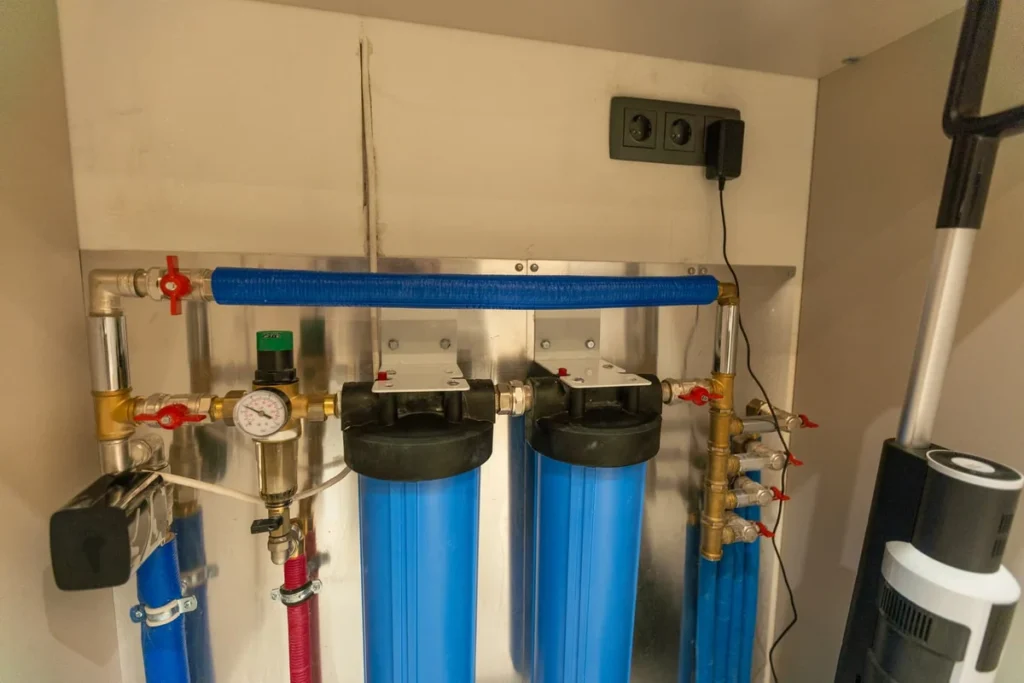
Professional service on existing water systems can involve inspecting connections, checking performance, evaluating components, cleaning or replacing filters, adjusting settings, and identifying potential problems before they turn into expensive failures.
This approach can be especially useful when a property already has several water-related components installed. Instead of starting from scratch, a technician can determine which parts are still performing well and which ones actually need attention.
Sometimes the smartest upgrade is a repair.
Pay Attention to Changes in Water Pressure
Water pressure is one of the easiest things to notice when something isn’t right.
Maybe the shower starts strong but becomes weak when another faucet opens. Perhaps the pressure fluctuates throughout the day. In a private well system, the pump may be switching on and off more frequently than usual.
There are many possible causes. A clogged filter, faulty pressure regulator, plumbing restriction, pump issue, or aging equipment could all play a role.
Rather than adjusting random valves and hoping for the best, it’s better to identify where the pressure problem begins.
A proper inspection can determine whether the issue is inside the home, related to treatment equipment, or coming from the water supply itself.
Plumbing Problems Shouldn’t Be Put on the Back Burner
A dripping faucet doesn’t look like an emergency. Neither does a toilet that runs occasionally.
Still, small plumbing problems have a habit of becoming surprisingly expensive when ignored.
Professional general plumbing work can cover everything from leaking fixtures and clogged drains to pipe repairs, valve replacement, water heater connections, and other everyday plumbing needs.
The important thing is timing.
A small leak under a sink is much easier to manage than water damage inside a cabinet or wall. A slow drain is more convenient to clear than a completely blocked line on a Sunday morning.
Routine attention doesn’t guarantee that nothing will ever break, of course. Plumbing has its moods. But it can reduce the number of avoidable surprises.
Water Quality Can Change Over Time
Even when a home’s plumbing is functioning properly, the water itself may change.
Municipal water supplies can experience changes in treatment or distribution. Private well water can vary because of groundwater conditions, seasonal factors, or changes around the property.
Older plumbing materials can also influence water quality.
If water suddenly develops a strange taste, unusual smell, discoloration, or visible sediment, don’t simply assume the problem will disappear.
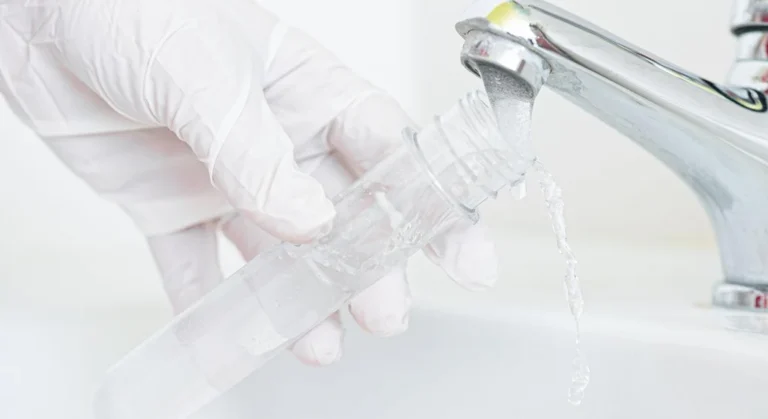
Testing can help identify what has changed.
The result may point toward filtration, softening, plumbing repair, or another treatment approach. Without testing, homeowners can easily spend money treating a problem they don’t actually have.
When Reverse Osmosis Makes Sense
Some households want additional treatment specifically for drinking water.
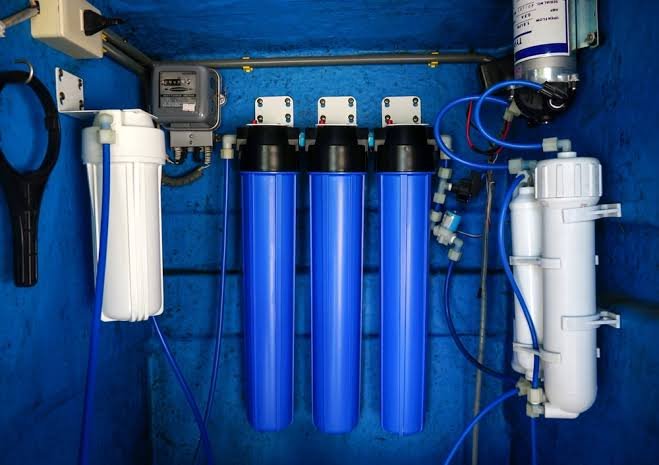
Depending on the water chemistry and the homeowner’s goals, reverse osmosis systems can provide a useful point-of-use purification option. These systems use a semipermeable membrane along with other filtration stages to reduce many dissolved substances from water.
They can be particularly useful when testing indicates that more extensive treatment is appropriate.
But reverse osmosis isn’t a magic solution for every water problem.
The membrane and filters require regular replacement. Systems also need appropriate water pressure and produce a portion of wastewater during operation. Installation quality matters, too.
A good system should be selected around the actual water conditions rather than purchased simply because reverse osmosis is a popular technology.
Don’t Forget the Water Heater
Water heaters often receive attention only when they stop producing hot water.
By then, you’re usually standing in the shower wondering what went wrong.
Aging water heaters can show warning signs before complete failure. Strange popping or rumbling noises may indicate sediment buildup. Water around the base can point toward a leak. Inconsistent temperatures can suggest a problem with heating components or controls.
Routine inspection can identify issues early.
For storage-tank models, maintenance may include flushing accumulated sediment and checking valves, connections, and other components. The exact requirements depend on the equipment and installation.
If the unit is approaching the end of its useful life, planning ahead can also prevent an emergency replacement.
Maintenance Is More Than a Checklist
Water-system maintenance isn’t just about replacing parts according to a calendar.
It’s also about noticing patterns.
If a filter suddenly needs changing much more frequently, there may be increased sediment entering the system. If pressure has gradually declined, there could be a developing restriction. If the water heater becomes noisier, something may be changing inside the tank.
These small observations are valuable because they create a timeline.
Instead of telling a technician, “It just stopped working,” you can explain that performance has been declining for three months or that pressure has changed recently. That information can make diagnosis much easier.
Repairs Should Be Based on Condition
Not every aging component needs immediate replacement.
A technician should consider the condition, expected remaining life, repair cost, availability of replacement parts, and the role the component plays in the overall system.
For example, replacing an inexpensive valve may make perfect sense. Rebuilding a severely corroded water heater may not.
There is a balance between extending useful equipment life and throwing money at something that’s clearly nearing the end.
Good service should help homeowners understand that difference.
Existing Systems Can Still Have Plenty of Life Left
Modern water technology offers some excellent options, but homeowners don’t necessarily need to replace older equipment simply because something newer exists.
An existing system may be perfectly capable of doing its job with proper maintenance and a few targeted repairs.
The smarter approach is usually to inspect first, test where necessary, and then decide.
If an upgrade is genuinely beneficial, you’ll know why you’re making it. If a repair is enough, you won’t have spent money replacing equipment unnecessarily.
In the end, reliable water isn’t about having the newest technology sitting in the utility room. It’s about having equipment that is appropriate for the property, functioning properly, and cared for before minor problems become major ones.
A little attention now can save a lot of disruption later. And when everything is working quietly again — steady pressure, reliable hot water, good-tasting drinking water — you can get back to the things that actually occupy your day.