


Most people don’t think much about water until something feels slightly off. Maybe the tap suddenly tastes metallic. Maybe your coffee has a weird bitterness that wasn’t there before. Or maybe you notice your skin feeling unusually dry after showers and start wondering if it’s just the weather.
That’s usually how it begins — quietly.
Water problems rarely announce themselves dramatically. They settle into daily life slowly enough that people adapt without realizing it. You buy bottled water more often. You scrub faucet stains more aggressively. You stop trusting the ice cubes from your own freezer. Little habits form around small frustrations.
And honestly, that’s part of what makes water quality so important. It touches everyday life in ways we barely notice until something changes.
Clean Water Feels Invisible Until It Doesn’t
Good water has a strange quality to it: when everything’s working properly, nobody thinks about it.
You turn on the tap, fill a glass, make dinner, take a shower, run the dishwasher. End of story.
But when water quality declines — even slightly — those ordinary moments start feeling less comfortable. The taste changes. Appliances wear faster. Dishes look cloudy. Sometimes there’s an odor you can’t quite place.
What’s tricky is that not every issue is visible. Water can appear perfectly clear while still containing minerals, contaminants, or imbalances affecting your home and health over time.
That’s why routine water testing has become increasingly important for homeowners, especially those relying on private wells or older plumbing systems.
Testing isn’t really about paranoia. It’s about understanding what’s actually in the water you use every single day.
I once talked with a homeowner who spent years blaming their plumbing for recurring stains and appliance problems. Turned out the issue was unusually hard water combined with high iron content. Once they identified the cause, the fixes became much simpler.
Sometimes the hardest part is just knowing what problem you’re solving.
Water Quality Affects More Than Taste
People naturally focus on taste first because it’s immediate. If water tastes bad, you notice right away.
But water quality reaches much further than the kitchen sink.
It affects laundry softness, appliance efficiency, skin comfort, plumbing lifespan, and even energy costs. Hard minerals slowly build inside pipes and water heaters. Sediment can reduce appliance performance. Certain contaminants leave stains or odors that seem impossible to clean completely.
And honestly, these issues usually build gradually enough that homeowners don’t connect the dots at first.
One family I know kept replacing coffee makers every year because mineral buildup destroyed them so quickly. They thought the machines were poorly made until someone finally suggested testing the water.
That tiny change in perspective saved them a surprising amount of money and frustration.
Why People Are Paying More Attention to Drinking Water
Over the past several years, people have become far more aware of what’s inside their food and beverages. Water naturally became part of that conversation too.
Families want cleaner drinking water, not just for safety reasons but for overall peace of mind. Better-tasting water encourages healthier habits. Kids drink more of it. People rely less on sugary drinks or endless bottled water purchases.
And there’s comfort in knowing the water used for cooking, coffee, tea, and everyday hydration is something you actually trust.
What’s interesting is how personal water preferences become. Some homeowners mainly care about taste. Others focus on reducing chlorine, sediment, or mineral content. Some are concerned about well water contaminants or aging city infrastructure.
There’s no universal perfect setup because every home and water source is different.
Modern Water Solutions Feel More Practical Now
Years ago, home water treatment systems sometimes felt overly technical or unnecessary to average homeowners. That perception has changed quite a bit.
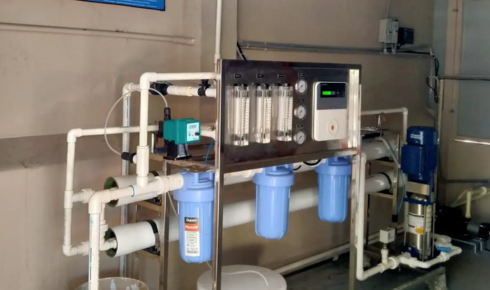
Today’s water solutions are generally more efficient, easier to maintain, and better tailored to specific household needs. Some systems target hard water. Others focus on filtration, sediment reduction, or drinking water purification.
The key difference now is customization.
Instead of installing oversized systems that may not address the actual issue, homeowners can often choose targeted solutions based on testing results and local water conditions. That makes the entire process feel less overwhelming and more practical.
And honestly, most people aren’t looking for “luxury water.” They simply want fewer problems.
Cleaner dishes. Softer laundry. Better-tasting coffee. Reliable appliances. Less buildup around fixtures. Small quality-of-life improvements that quietly add up over time.
The Emotional Side of Water Quality
This might sound odd, but good water creates a subtle sense of comfort at home.
You stop second-guessing the tap. You stop buying cases of bottled water every week. Showers feel better. Cooking feels simpler. There’s less frustration hiding inside ordinary routines.
It’s not flashy, and nobody brags about their water quality the way they brag about kitchen remodels or new cars. But people definitely feel the difference once it improves.
And maybe that’s why more homeowners are finally paying attention to water systems now. Because clean, reliable water supports almost every part of daily life in quiet, behind-the-scenes ways.
The funny thing is, most people only realize how much water quality mattered after they fix it.
Suddenly the house feels easier to live in. Appliances work better. Morning coffee tastes right again. And those tiny frustrations that used to feel normal slowly disappear without much fanfare.
Sometimes the best home improvements aren’t the loudest ones. They’re the ones you quietly appreciate every single day afterward.