Most of us expect tap water to be simple. Turn the handle, fill the glass, wash the dishes, take a shower, and move on with the day. But water is rarely as plain as it looks. Sometimes it carries a taste that makes you reach for bottled water. Sometimes it leaves grit in faucet screens. Sometimes it looks clear but still feels like something is not quite right.
And that is the tricky thing about water quality. The signs can be obvious, or they can be quiet and easy to miss. A small odor, a strange aftertaste, cloudy ice, dull laundry, or recurring buildup around fixtures can all point to issues worth checking.
Why Taste and Smell Matter
Water does not need to smell bad to be unpleasant. Many homeowners complain about chlorine taste and odor, especially if their water comes from a municipal supply. Chlorine is commonly used in water treatment, but by the time that water reaches your tap, the taste can feel sharp or chemical-like.
That may not mean the water is unsafe, but it can definitely make drinking it less enjoyable. Coffee, tea, soups, ice cubes, and even cooked pasta can pick up that taste. Over time, families often start buying bottled water without realizing the real issue is sitting right at the tap.
The Little Particles You Don’t Want in Your Water
Sediment is another common water concern. It may show up as tiny specks, cloudy water, sand-like grit, or buildup in faucet aerators. In older plumbing systems, sediment may come from rust, pipe scale, soil, or mineral particles. Well water users may notice it more often, but city water homes can deal with it too.
Good sediment removal helps protect more than drinking water. It can reduce particles before they reach water heaters, washing machines, dishwashers, and other fixtures. That matters because grit and debris can wear on equipment over time. Nobody wants small particles quietly moving through appliances every day.
Water Problems Often Overlap
One of the biggest mistakes homeowners make is assuming one symptom means one simple fix. Bad taste may come from chlorine. Odor may come from sulfur, plumbing, or organic material. Cloudiness may be air bubbles, sediment, or minerals. Staining may involve iron, manganese, or hard water.
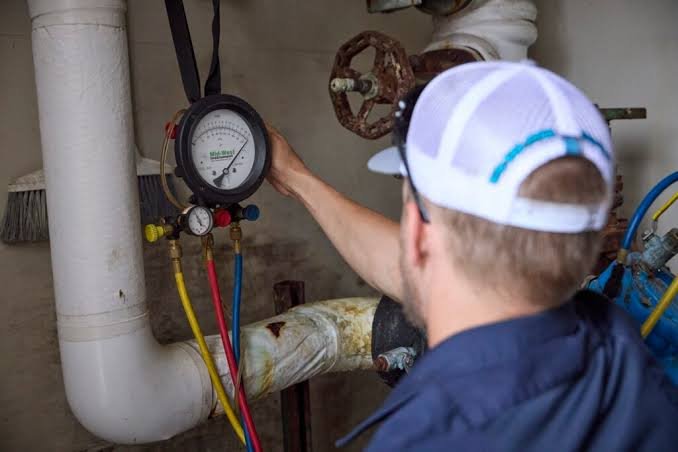
That’s why testing is such a smart first step. It gives you a clearer view of what is actually in your water instead of forcing you to guess based on smell or appearance. A proper water analysis can help point toward the right filtration, softening, or drinking water solution.
What Filtration Can Actually Do
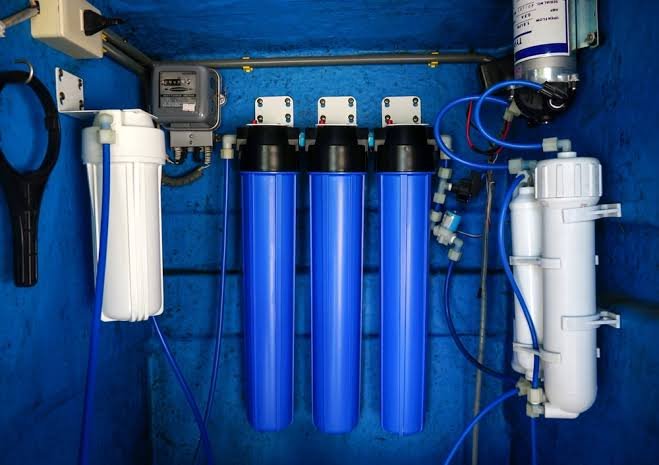
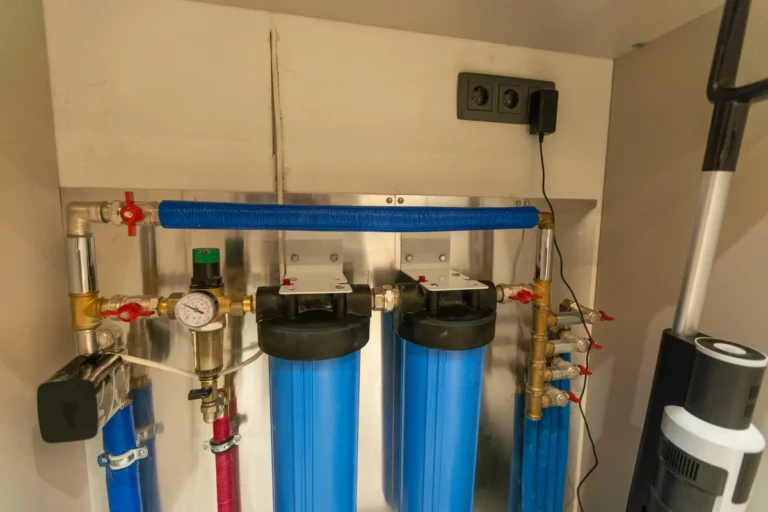
Water filtration is not one-size-fits-all. Some systems are designed mainly for taste and odor. Others target particles. Some are built for whole-home use, while others focus on drinking water at one faucet. The right system depends on the water source, the problem, and how much water your household uses.
For many homes, contaminant reduction is the main reason to consider a more advanced system. Depending on the technology used, filters may help reduce unwanted substances that affect taste, clarity, smell, and overall water confidence. This can be especially valuable for families who cook often, drink tap water daily, or simply want more control over what comes through the faucet.
Whole-Home or Drinking Water Only?
Some homeowners only need filtration at the kitchen sink. Others need a system that treats water before it flows throughout the entire house. If the main issue is drinking water taste, an under-sink filter or reverse osmosis system might be enough. If the shower smells odd, laundry looks dull, and fixtures collect buildup, a whole-home approach may make more sense.
There is no perfect answer for every house. A small household may need something simple. A larger home with multiple bathrooms and heavy water use may need a stronger system with better flow capacity. This is where professional sizing and guidance can save a lot of frustration.
Don’t Forget Maintenance
A water filter only works well when it is cared for properly. Filters clog. Cartridges expire. Media beds wear down. Reverse osmosis membranes eventually need replacement. Skipping maintenance can reduce water flow and allow old problems to return.
The good news is, most maintenance is not complicated. It just needs to be done on schedule. A reminder on your phone, a service plan, or a simple calendar note can keep everything running smoothly.
Better Water Changes Daily Habits
When water tastes and smells better, people drink more of it. They stop filling the fridge with plastic bottles. Coffee tastes cleaner. Ice looks better. Cooking feels a little more enjoyable. Even cleaning can become less annoying when the water is clearer and more consistent.
Better water is not always a dramatic upgrade. It is more like fixing a background problem you had slowly gotten used to. Once it improves, you suddenly notice how much it mattered.
Listen Before the Problem Grows
Your water may be giving you clues already. Maybe it smells like chlorine. Maybe there is grit in the sink. Maybe the taste is just off enough that nobody wants to drink it. These are not things you have to live with forever.
Start by understanding what is in your water. Then choose a solution based on the real issue, not a guess. Clean, fresh, reliable water makes a home feel better in ways that are easy to overlook — until you finally experience the difference.