Most people judge water by what they can see. If it runs clear from the tap, it feels safe enough. If it doesn’t smell strange, we assume everything is fine. And often, it may be. But water quality is a little more complicated than that. Some issues are obvious, while others quietly show up through stains, dry skin, cloudy dishes, mineral scale, or appliances that seem to wear out too soon.
Water is not just something we drink. It moves through showers, washing machines, dishwashers, water heaters, coffee makers, and plumbing lines. So when the water has minerals, sediment, chlorine, iron, or other unwanted elements, those problems don’t stay in one place. They travel through the whole home.
The Everyday Signs of Hard Water
Hard water can be surprisingly annoying. It doesn’t usually cause one dramatic moment where everything goes wrong. Instead, it leaves little clues. White spots on glassware. Crusty buildup on faucets. Soap that doesn’t lather well. Towels that feel stiff after washing. Shower doors that never stay clean for long.
These hard water problems usually come from minerals such as calcium and magnesium. Over time, those minerals can build up inside pipes, fixtures, and appliances. A water heater may have to work harder. A dishwasher may leave residue. A washing machine may need more detergent than it should.
The frustrating part is how normal these issues start to feel. Many homeowners just keep buying stronger cleaners or replacing showerheads, without realizing the real issue may be the water itself.
Why City Water Still May Need Treatment
Municipal water is treated before it reaches homes, and that treatment plays an important public health role. But treated city water can still have taste, odour, sediment, hardness, or chlorine-related concerns by the time it reaches your tap. Pipes, local supply conditions, and household plumbing can all affect the final experience.
That’s where city water treatment becomes useful for homeowners who want more control over what they use every day. A home system may help reduce chlorine taste, improve smell, address sediment, or soften hard water depending on the specific setup.
This doesn’t mean city water is automatically bad. It simply means that water treated for public distribution is not always the same as water optimized for comfort inside your home.
Well Water Comes With Different Questions
Homes using private wells often have a different set of concerns. Since well water is not managed the same way as municipal water, the homeowner is responsible for testing and treatment. Depending on the area, well water may contain iron, manganese, sulfur odour, sediment, hardness minerals, bacteria, or other natural elements.
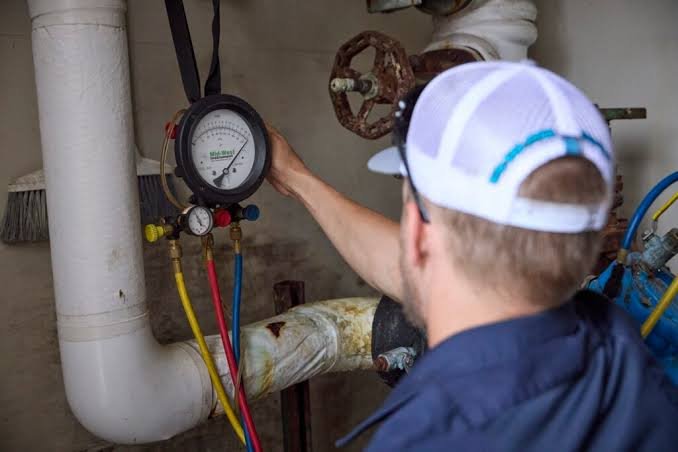
Professional well water treatment starts with testing, not guessing. A strong rotten-egg smell may point to sulfur. Orange stains may suggest iron. Cloudiness may come from sediment. But assumptions are risky, because different problems can look similar. Testing gives a clearer picture and helps match the right system to the actual water condition.
For well owners, regular testing is not just helpful. It’s part of responsible home care.
One Filter Usually Isn’t the Whole Answer
A small faucet filter or refrigerator filter can improve drinking water in one spot, but it won’t help the shower, laundry, dishwasher, or water heater. That’s why many homeowners eventually look beyond simple point-of-use filters.
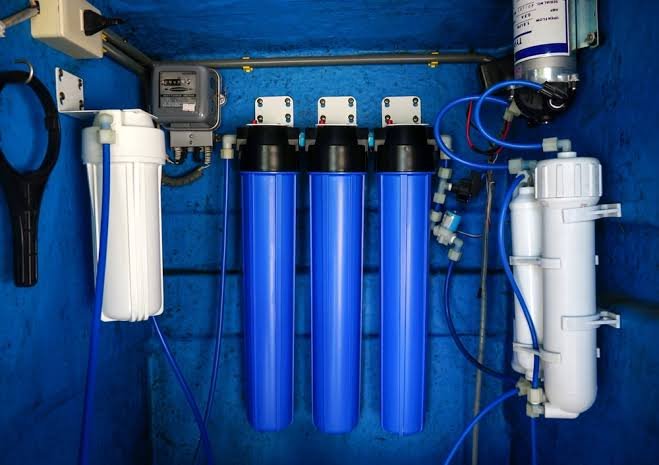
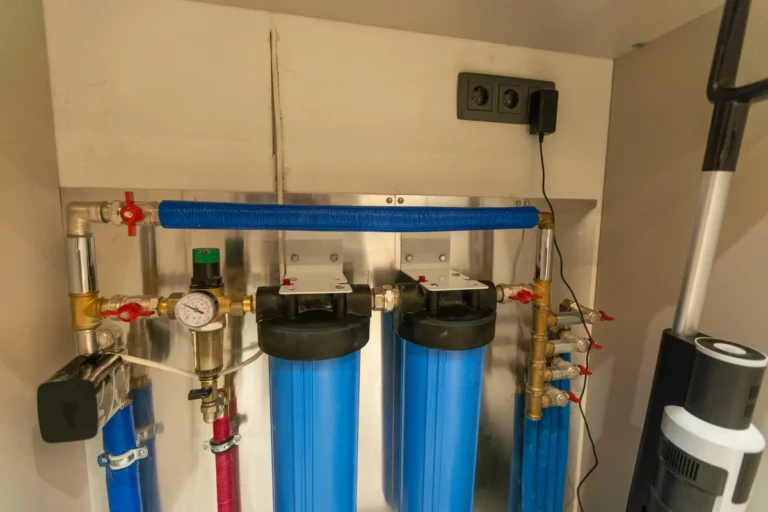
Whole-home treatment is designed to improve water before it moves through the rest of the house. Depending on the water test, that may include filtration, softening, iron removal, sediment reduction, neutralization, or other solutions. The system should be built around the water, not chosen from a shelf because the box looks impressive.
Testing Makes the Decision Easier
The smartest step before installing equipment is a proper water analysis. It helps identify what is present, how serious the issue is, and which treatment method is most suitable.
Without testing, homeowners may buy the wrong product. A softener won’t solve every taste issue. A carbon filter won’t remove every mineral concern. An iron filter won’t fix all hardness problems. Water treatment works best when each part of the system has a clear job.
A good professional should explain the results plainly. No scare tactics, no confusing jargon, just clear information about what’s happening and what can be done.
Better Water Makes Home Life Feel Easier
When water is properly treated, the difference often shows up in simple ways. Showers feel cleaner. Soap rinses better. Laundry may feel softer. Coffee and tea can taste fresher. Fixtures may stay cleaner longer. Appliances may not have to fight against scale, sediment, or mineral buildup every day.
It’s not always a flashy improvement. Nobody invites neighbors over to admire a water filter. But families feel the benefit in daily routines, and that matters.
A Practical Way to Protect Your Home
Water quality is one of those home details that is easy to ignore until the signs become too annoying. Whether a house uses municipal water or a private well, the right treatment can improve comfort, protect plumbing, and make everyday water use more dependable.
Clear water is a good start, but it does not always tell the whole story. Testing, proper equipment, and regular maintenance help homeowners understand their water and treat it with confidence. In the end, better water is not just about what comes from the tap. It’s about how the whole home feels because of it.