Most people don’t think about their home’s water until something feels wrong. It might start with a strange taste in a glass of water. Or maybe the shower smells odd when the hot water kicks on. Sometimes it’s not even dramatic — just a little film on dishes, dry skin after bathing, or coffee that doesn’t taste quite the way it should. Water problems have a way of sneaking into daily life, quietly, until one day you realise you’ve been putting up with them for months.
Clean water should feel simple. You turn on the tap, fill a glass, wash your hands, cook dinner, run the laundry, and move on. But when the water in your home carries minerals, chemicals, sediment, or odor-causing compounds, those simple routines can become frustrating. The good news is that most common water issues can be understood, tested, and treated with the right approach.
The First Sign Is Often Taste
A lot of homeowners notice water problems first in the kitchen. Drinking water may seem flat, metallic, earthy, or slightly chemical. Tea and coffee can taste off. Ice cubes may make drinks smell strange as they melt. These are small things, yes, but they matter. Nobody wants to second-guess the water they drink every day.
A bad taste in tap water can come from several sources. Chlorine used in municipal treatment may leave a sharp flavor. Minerals such as iron, manganese, or hardness compounds can affect taste too. In some homes, old plumbing or sediment buildup may also play a role. The tricky part is that taste alone doesn’t always tell you exactly what’s wrong. Two homes can have similar taste complaints but completely different causes.
That’s why water testing is so useful. Instead of guessing, you get a clearer picture of what is actually in your water and what kind of treatment makes sense.
Smells Can Be More Than Just Annoying
Taste is one thing, but odor is often harder to ignore. A rotten egg smell from the sink or shower can make a clean bathroom feel unpleasant. A musty smell near the kitchen tap can make drinking water less appealing. Even laundry may carry a faint odor after washing, which is especially annoying because the whole point was to make things cleaner.
An unpleasant odor may be caused by sulfur, chlorine, bacteria in plumbing, organic matter, or reactions inside a water heater. Sometimes the smell only appears when hot water runs. Other times, it comes from every tap in the house. That difference is important because it helps narrow down where the issue may be coming from.
For example, odor only in hot water may point toward the water heater. Odor in both hot and cold water may suggest the issue is in the water supply itself or the plumbing system. Either way, ignoring it usually doesn’t make it go away. It often becomes one of those household problems everyone complains about but nobody fixes.
Why Water Problems Affect the Whole House
Water is not used in just one room. It moves through the kitchen, bathrooms, laundry area, appliances, pipes, fixtures, and sometimes outdoor taps too. So when water has too many minerals, sediment, chlorine, or odors, the effects can show up everywhere.
Hard water can leave white spots on glassware, buildup around faucets, and scale inside appliances. Iron can create orange or brown stains. Sediment may make water look cloudy or leave gritty particles behind. Chlorine can dry out skin and hair. These issues may not always be dangerous, but they can make the home feel less comfortable.
And over time, they may cost money. Water heaters can lose efficiency when mineral scale builds up. Washing machines and dishwashers may work harder. Fixtures may need more frequent cleaning. It’s one of those hidden home maintenance problems that doesn’t always get attention until the damage is already visible.
A Better Way to Treat Water
Many people start with small fixes, like a pitcher filter or a filter attached to one faucet. Those can help with drinking water in limited ways, but they don’t solve problems happening throughout the home. If the shower smells, the laundry feels stiff, and every sink has buildup, a single kitchen filter won’t do much for the bigger picture.
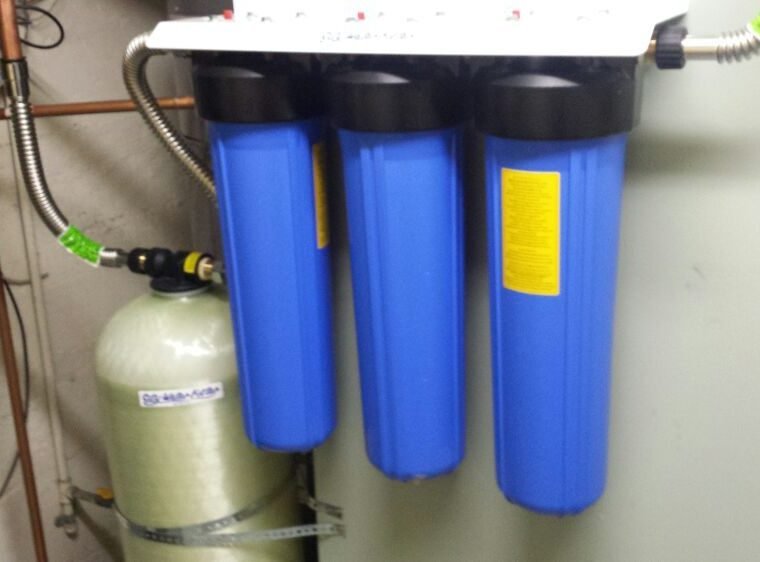
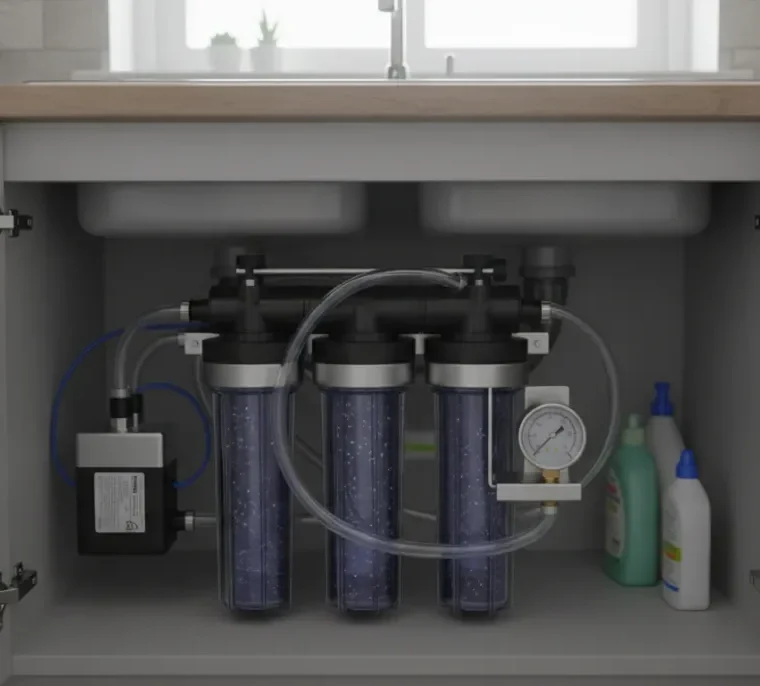
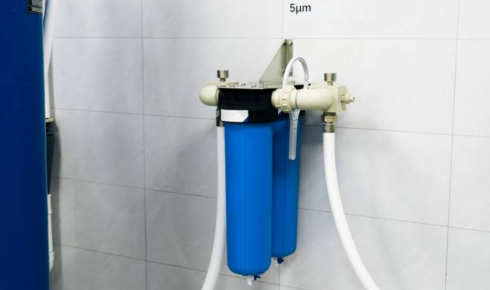
That is where whole home filtration can make a noticeable difference. Instead of treating just one tap, it helps improve water before it moves through the rest of the house. Depending on the system, it may reduce chlorine taste, sediment, odors, and other common concerns. In some homes, filtration may be combined with a water softener or a dedicated drinking water system for better results.
The key is choosing treatment based on testing, not guesswork. A home with heavy sediment may need a different setup than a home dealing with sulfur smells or chlorine taste. The right system should match the water, the plumbing, and the family’s daily needs.
Testing Before Buying Makes Sense
It’s tempting to buy the first water system that promises better results. But water is too specific for that. A proper test can identify hardness, pH, iron, chlorine, total dissolved solids, odor-related issues, and other common concerns. Once you know what is present, you can choose a solution that actually fits.
This approach also prevents overspending. You don’t want to buy equipment that solves a problem you don’t have, or worse, misses the problem you do have. Good water treatment should feel practical, not confusing.
Fresh Water Changes Everyday Life
When home water improves, the difference often shows up in simple ways. Drinking water tastes cleaner. Showers feel better. Dishes come out clearer. Laundry feels fresher. Faucets are easier to keep clean. Even cooking can feel nicer when the water doesn’t carry odd flavors or smells.
Water is one of those things you use all day without thinking. So when it starts working the way it should, life at home feels smoother. Not fancy, not complicated — just better.
If your tap water has started tasting strange, smelling off, or leaving marks around the house, it may be time to stop guessing. A simple water test and the right treatment plan can bring back the freshness your home should have had all along.