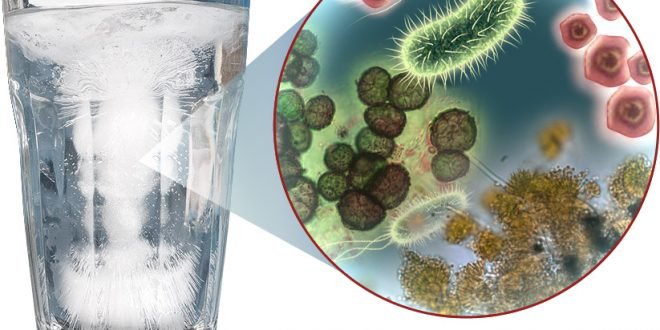
Water usually gives you very few clues about what’s happening beneath the surface. It can look perfectly clear in a glass while still containing minerals, disinfectants, or microorganisms that deserve attention. That’s one reason water testing is so useful. Instead of guessing based on taste or appearance, you can learn what’s actually present and decide whether treatment makes sense for your home.
For homeowners, especially those using private wells, understanding common water-quality concerns can make everyday decisions a lot easier. Not every unusual taste means danger, and not every filter solves every problem. The details matter.
What Disinfectants Do in Drinking Water
Municipal water systems commonly use disinfectants to control harmful microorganisms before water reaches consumers. This treatment is important, but some people notice a chlorine-like taste or smell in their tap water.
Chlorine and chloramine are two disinfectants used by water utilities. They behave differently in water and can also affect taste and odor differently. If you notice a change in your tap water, it’s worth checking with your local water provider before assuming something has gone wrong.
For people who dislike the taste or smell, certain activated carbon filtration systems may improve the water’s sensory qualities. But again, choosing the right filter depends on the specific disinfectant and the manufacturer’s performance claims.
When Microorganisms Become a Concern
For private wells, microbiological testing deserves particular attention. Unlike public water supplies, private wells generally aren’t monitored by a municipal treatment system on behalf of the homeowner.
Testing may include Bacteria indicators, which can provide information about possible contamination. Some indicator organisms are used because their presence can suggest that conditions exist where other harmful microorganisms might also be present.
If a well test shows bacterial contamination, it shouldn’t simply be ignored or covered up with a taste-and-odor filter. The source needs to be investigated, and appropriate treatment or disinfection should be discussed with a qualified professional.
Changes after flooding, heavy rainfall, well repairs, or damage around the wellhead can be good reasons to consider testing.
Arsenic Requires Special Attention
Some water-quality concerns are less obvious because they have no noticeable taste, smell, or color. Arsenic is one example.
Arsenic can occur naturally in groundwater in certain regions, making it a particular consideration for some private wells. Because you generally can’t identify it by looking at or tasting the water, testing is the sensible first step.
If testing detects arsenic, treatment should be selected based on the measured concentration and the characteristics of the water. Certain specialized treatment technologies can reduce arsenic, but a general-purpose filter shouldn’t automatically be assumed to do so.
This is where professional guidance can be valuable. You want a system designed for the problem you actually have, not simply a product with a long list of impressive claims.
Why Testing Comes Before Treatment
It’s tempting to buy a filtration system after reading a few online reviews. Sometimes that works out. Sometimes it doesn’t.
Water chemistry is complicated enough that the same treatment can perform differently depending on what else is present. A filter designed to reduce one contaminant may have little effect on another.
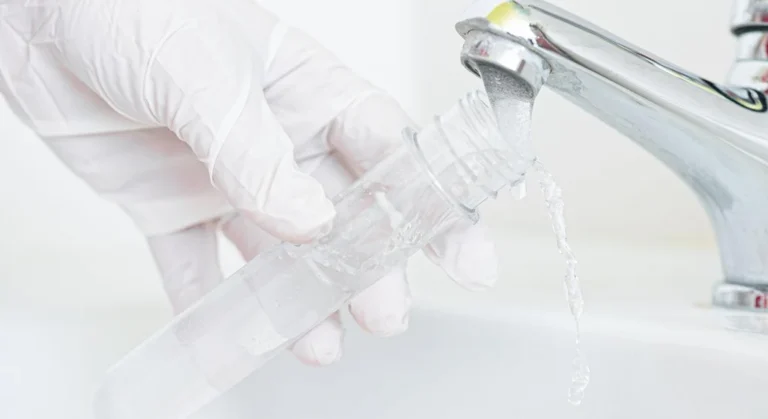
Testing gives you a clearer starting point. Depending on your water source and concerns, testing may examine disinfectants, bacteria indicators, minerals, metals, hardness, pH, or other characteristics.
The goal isn’t to collect every possible laboratory result just for the sake of it. It’s to gather useful information that helps you make a sensible decision.
Municipal Water and Well Water Aren’t the Same
If your home receives water from a public utility, you may already have access to information about the water source and treatment process. Your local provider can often explain which disinfectant is used and provide annual water-quality information.
Private well owners have a different responsibility. They need to arrange appropriate testing and pay attention to changes in their water over time.
That doesn’t mean well water is automatically unsafe. Many households use private wells successfully for decades. It simply means the homeowner has a bigger role in understanding and maintaining the water system.
Don’t Let Marketing Make the Decision
Water filtration advertisements can be persuasive. Words like “pure,” “advanced,” and “complete protection” sound reassuring, but they don’t necessarily tell you what a system actually removes.
Look for specific performance information. What contaminants is the system designed to reduce? Has it been independently tested or certified for those claims? How often do filters need replacing? What will maintenance cost?
These questions may feel overly detailed when you’re simply trying to get better-tasting water, but they can prevent an expensive mistake.
A reputable provider should be comfortable answering them.
Maintenance Still Matters
Even the best treatment system won’t maintain its performance forever without maintenance.
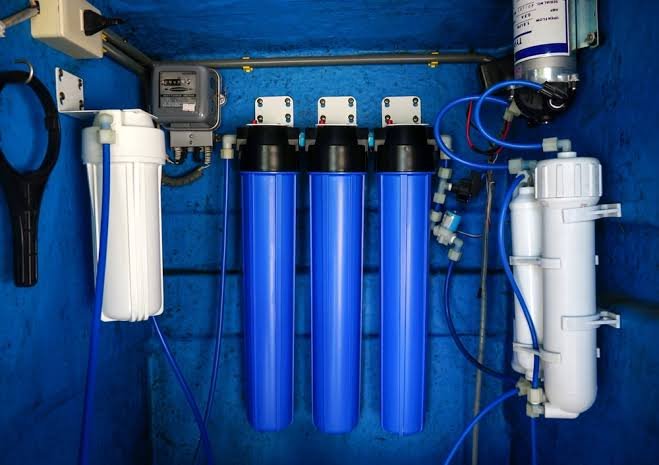
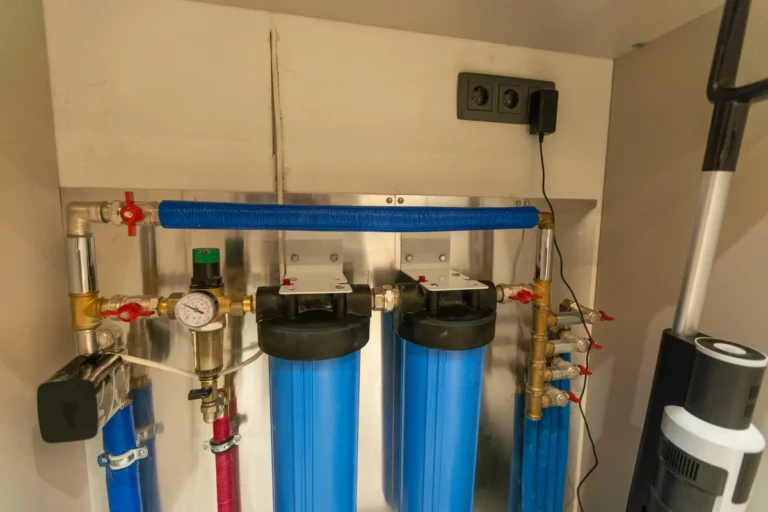
Carbon filters need replacement. Membranes can eventually require changing. Disinfection systems may need servicing. Storage tanks and other components can also require inspection.
Keep track of replacement dates and pay attention to changes in water taste, odor, color, or pressure.
If something suddenly changes, don’t assume the filter is simply “due.” The source water or plumbing could have changed too.
Making a Practical Choice for Your Home
There’s no universal water treatment system that’s perfect for every household. Your water source, test results, household size, budget, and specific concerns all matter.
Start by understanding where your water comes from. Test it when appropriate. Learn what the results mean, and then compare treatment options based on those findings.
Most importantly, don’t let fear make the decision for you. Water-quality concerns deserve attention, but good decisions come from reliable information rather than panic.
Clean, dependable water is something every household should be able to feel comfortable about. With sensible testing, appropriate treatment, and regular maintenance, you can address real concerns without turning your home’s water system into a confusing maze of equipment and promises.