There are certain things in a home that you don’t really notice when they’re working properly. Plumbing is one of them. Turn on the tap, flush the toilet, take a shower, and everything simply does what it should.
Then one morning, the shower takes forever to get warm. A strange damp patch appears under the sink. The kitchen faucet loses pressure. Suddenly, the plumbing system has your full attention.
The good news is that many plumbing problems can be handled before they turn into major headaches. The trick is knowing what to watch for and understanding which solutions actually make sense for your home. From repairing hidden leaks to improving hot-water delivery and treating drinking water, a thoughtful approach can make everyday life noticeably easier.
Small Leaks Can Become Expensive Problems
A dripping faucet may not seem like a serious issue. Neither does a little moisture beneath a sink. But water has a remarkable ability to find its way into places where you really don’t want it.
A slow leak inside a cabinet can damage wood over time. A hidden pipe leak can affect drywall, flooring or insulation. Even a small leak can contribute to wasted water and higher utility bills.
That’s why professional leak service & repair is about more than stopping visible dripping. A good inspection looks for the source of the problem and checks whether there are signs of additional damage.
Some warning signs are easy to overlook: musty smells, unexplained water stains, unusually high water bills, damp flooring or the sound of water running when every fixture is turned off.
If something seems odd, it’s usually worth investigating sooner rather than later.
Why Hot Water Sometimes Takes Forever
Waiting for hot water is one of those little annoyances that can become part of the morning routine. You turn on the shower, wait, check again, wait a little more… and wonder how much water has gone straight down the drain.
Long distances between the water heater and fixtures can contribute to this problem. In larger homes especially, hot water may take time to travel through the pipes.
Hot water recirculating pumps can help in suitable plumbing systems by keeping hot water moving through a dedicated loop or return line. This can reduce waiting time at fixtures and, depending on the setup, help cut down on water wasted while waiting for the temperature to rise.
They’re not the right answer for every property, though. System design, pipe layout, energy use and installation requirements all matter. A professional assessment is the sensible starting point.
Clean Drinking Water Starts With Knowing What’s in It
Water can look perfectly clear and still contain substances you’d rather not have in your drinking glass.
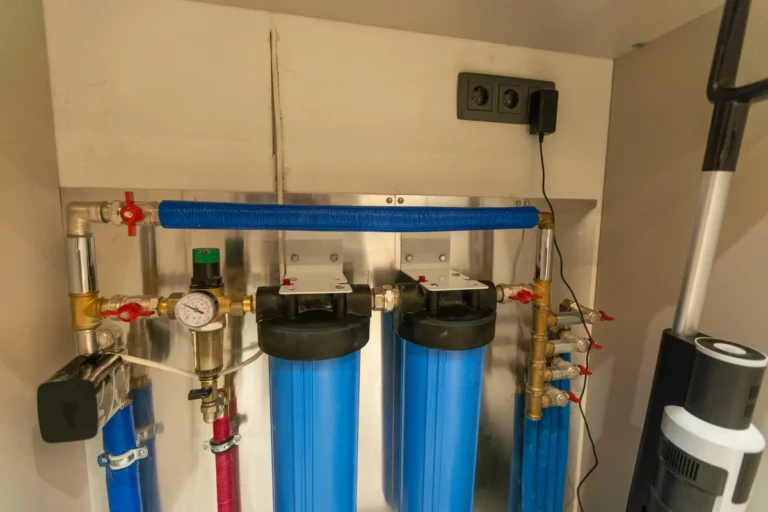
Depending on the local supply or private well, water may contain sediment, certain dissolved minerals, chlorine, or other contaminants. The right treatment method depends entirely on what is actually present.
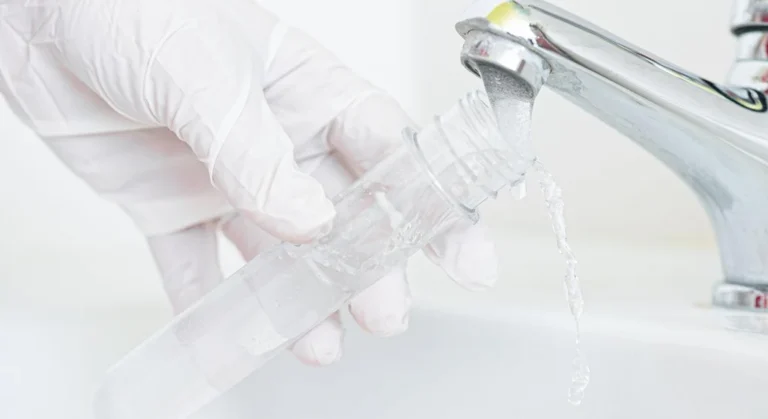
This is where testing becomes useful. Instead of buying a filtration system because it happens to be popular, homeowners can first identify their water-quality concerns and then choose equipment accordingly.
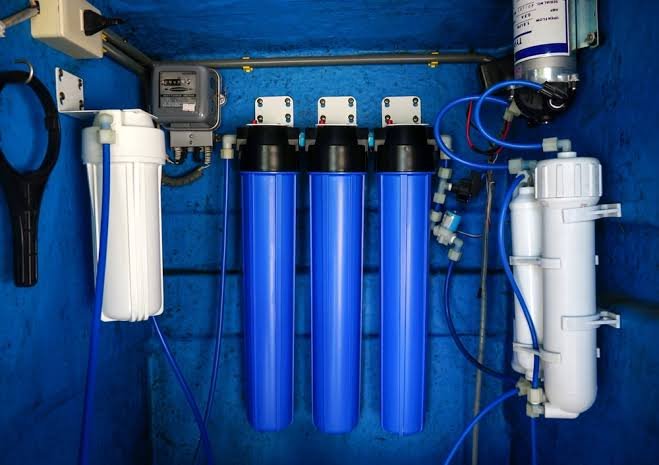
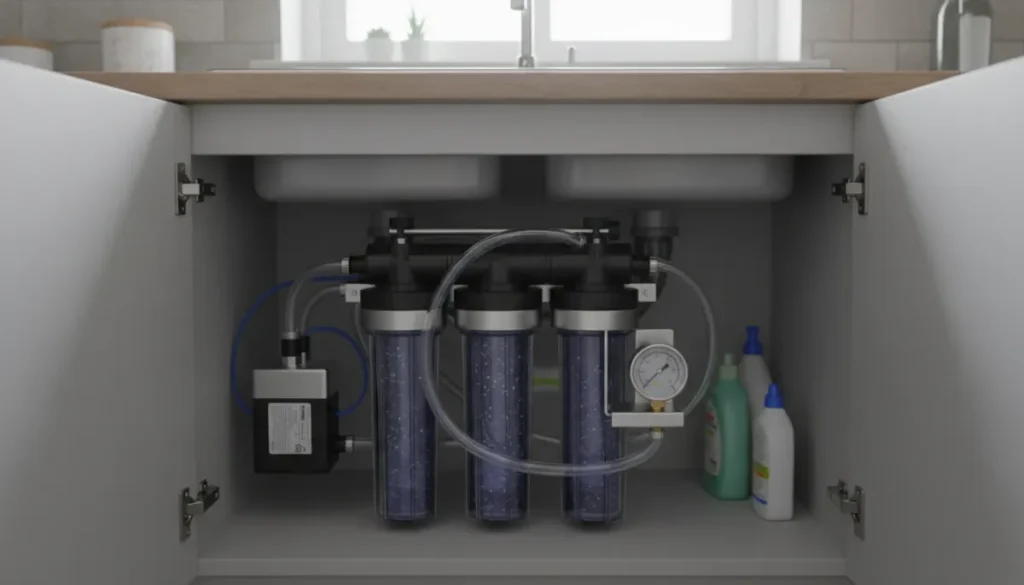
For households that want additional treatment for drinking and cooking water, reverse osmosis systems are one option worth exploring. These systems use a semipermeable membrane along with filtration stages to reduce many dissolved substances and impurities.
However, reverse osmosis isn’t a universal solution for every water problem. A proper assessment can help determine whether it’s appropriate and whether pretreatment is needed.
Water Pressure Tells You More Than You Might Think
Water pressure isn’t something most people think about until it changes.
If the shower suddenly feels weak or several faucets aren’t performing as they used to, there may be an underlying issue. A clogged aerator could be responsible for one fixture, while low pressure throughout the home may point toward a broader problem.
On the other hand, excessive pressure isn’t ideal either. It can place unnecessary stress on pipes, fixtures and appliances.
Before replacing expensive components, it’s worth determining whether the pressure problem is isolated or system-wide. Sometimes the solution is surprisingly simple.
Your Water Heater Needs Attention Too
Water heaters tend to get ignored until they stop producing hot water. That’s understandable — there’s always something else on the household maintenance list.
But regular attention can help extend the life of the system. Look for leaks around connections, unusual noises, inconsistent temperatures or visible corrosion.
Sediment buildup can also affect some storage water heaters, reducing efficiency and contributing to wear. Manufacturer recommendations should guide maintenance, and professional servicing may be appropriate depending on the system’s age and condition.
If your water heater is nearing the end of its expected service life, planning a replacement before an emergency can also make the process much less stressful.
Plumbing Maintenance Is Mostly About Paying Attention
You don’t need to become a plumbing expert to spot early warning signs.
Every few weeks, take a quick look under sinks. Check exposed pipes. Listen for toilets that continue running after flushing. Notice whether drains are becoming slower.
It’s also worth learning where the main water shut-off valve is located. If a pipe bursts, being able to stop the water quickly can significantly reduce damage.
These aren’t glamorous tasks. Nobody is going to make a dramatic home-improvement video about checking a shut-off valve. But they matter.
Choosing Equipment Based on Your Home
Plumbing equipment shouldn’t be selected simply because it has impressive specifications.
Think about your household size, daily water consumption, available space, existing plumbing and long-term goals. A solution that works beautifully in one home might be unnecessary or unsuitable in another.
This applies to water treatment systems, pumps, heaters, filtration equipment and even basic fixtures.
A good professional should explain the reasoning behind a recommendation. If someone can’t tell you why a particular system is suitable for your home, it’s reasonable to ask more questions before spending money.
When Professional Help Is Worth It
DIY plumbing has its place. Replacing a simple faucet aerator or tightening an accessible connection may be manageable for many homeowners.
But hidden leaks, recurring blockages, major pressure problems and equipment installation are different matters.
Trying to fix a complicated issue without understanding the cause can sometimes make things worse. A small mistake behind a wall may not become obvious until significant damage has already occurred.
Professional service isn’t about making every repair complicated. It’s about knowing when experience and proper equipment can save time, money and frustration.
Think About the Long-Term Picture
The best plumbing decisions aren’t always the quickest ones.
A temporary repair may solve today’s problem, but understanding why the problem occurred can help prevent another call six months later. Likewise, installing new equipment should involve thinking about operating costs, maintenance and compatibility — not just the initial purchase price.
A dependable plumbing system should quietly support your home for years. It should deliver water where you need it, provide hot water without unnecessary waste and protect the quality of the water you drink.
That doesn’t happen by accident.
With sensible maintenance, appropriate technology and professional help when it’s genuinely needed, plumbing becomes less of a source of worry and more of what it should be: something you can rely on without thinking about it.