


Most people don’t notice their water until something feels slightly off. Maybe your coffee tastes flatter than usual. Maybe the shower leaves your skin dry no matter how much moisturizer you use afterward. Or maybe you hold a glass under the kitchen light one afternoon and realize the water looks just a little cloudy.
It’s strange how easy it is to normalize these things.
I remember visiting a family member who kept complaining about white residue around the sink faucets. At first they blamed cheap fixtures. Then the dishwasher started leaving spots on glasses, and eventually the water developed a faint smell after heavy rainstorms. None of it seemed serious on its own, but together it painted a pretty clear picture that something wasn’t right.
The truth is, water quality changes more often than people realize, and homes quietly react to those changes every single day.
Why Tap Water Doesn’t Always Feel Consistent
Water travels through a surprisingly complicated journey before reaching household taps. Treatment facilities, underground pipes, storage systems, weather conditions, and even neighborhood infrastructure all influence the final result.
That’s why water in one area may taste completely different from water just a few streets away.
Some homeowners notice cloudy water after storms. Others experience odd smells during warmer months. In older homes, aging plumbing can affect taste and clarity too. These differences don’t automatically mean the water is dangerous, but they often explain why certain households struggle with recurring water frustrations.
And honestly, once you start paying attention, you realize water has its own personality depending on where you live.
The Problem With Tiny Particles Nobody Talks About
One of the more common issues homeowners deal with is sediment in the water supply. These tiny particles can come from natural minerals, disturbed pipelines, aging infrastructure, or well water sources.
At first, sediment may seem harmless. A little discoloration here and there. Slight cloudiness after turning on the tap. But over time, those particles can create buildup inside plumbing fixtures and appliances.
Coffee makers clog faster. Showerheads lose pressure. Washing machines don’t perform as efficiently. Even hot water heaters can struggle when sediment accumulates for long periods.
A friend of mine once thought their dishwasher was failing after only a few years. Turns out, mineral-heavy sediment buildup had quietly reduced its efficiency over time. Once they addressed the water issue, the difference was obvious almost immediately.
Sometimes the appliance isn’t really the problem.
Why Chlorine Taste Bothers So Many People
Municipal water systems often use disinfectants to help keep public water supplies safe, and that’s important. But homeowners still notice when treatment chemicals become especially noticeable.
The smell of chlorine tends to stand out most during warmer months or after changes in local treatment processes. Some people barely notice it, while others immediately compare their tap water to swimming pool water.
And honestly, once you taste it strongly enough, it’s hard to ignore.
Tea tastes different. Ice cubes pick up odors. Even soup or pasta water can carry that faint chemical edge people struggle to describe but instantly recognize.
What’s interesting is how personal these experiences are. Some households become frustrated enough to switch entirely to bottled water, while others barely think about it at all.
The Quiet Rise of Better Home Filtration
As people become more conscious about what enters their homes, filtration systems have naturally become more common. It’s no longer just about luxury kitchens or expensive remodels. Many families simply want cleaner-tasting water and fewer long-term plumbing headaches.
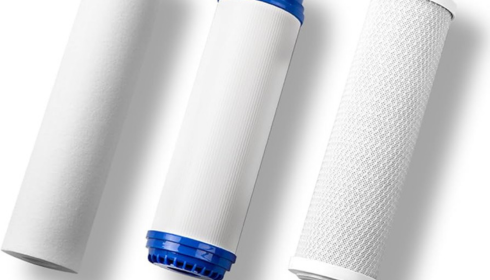
Modern water filtration systems can help reduce unwanted particles, odors, and certain contaminants depending on the setup. Some homeowners prefer simple under-sink filters, while others install whole-home systems designed to improve water throughout the property.
The interesting part is how quickly people adapt once cleaner water becomes normal. After a few weeks, softer water and better taste stop feeling “special” and simply become expected.
Then, when they drink untreated tap water somewhere else, the difference suddenly feels huge.
Water Problems Often Hide in Everyday Habits
One thing people underestimate is how much water influences daily routines emotionally. It’s not just about health concerns or appliance efficiency.
Good water changes showers. Laundry feels softer. Cooking becomes more enjoyable. Even brushing your teeth late at night somehow feels better when the water tastes clean and neutral.
On the flip side, poor water quality slowly creates low-level frustration people don’t always connect back to the source. Dry skin. Mineral stains. Odd smells. Constant cleaning around faucets.
These aren’t dramatic emergencies, but they quietly shape how comfortable a home feels.
Why Testing Matters Before Buying Anything
The internet has made water advice both easier and more confusing at the same time. Search long enough and suddenly every article insists you urgently need some expensive filtration setup immediately.
But every home is different.
City water and well water come with different concerns. Older homes face different plumbing issues compared to newer properties. Some households mainly struggle with taste, while others deal with hardness or visible particles.
That’s why testing and understanding your local water conditions matter before jumping into solutions blindly. Sometimes the fix is surprisingly simple once the actual issue becomes clear.
Final Thoughts
Water has a quiet presence in everyday life. Most of the time we barely think about it — until taste changes, pressure drops, or strange residue starts appearing around the house.
But those small signs often reveal more than people realize.
Whether it’s sediment buildup, chlorine taste, or general filtration concerns, paying attention to your home’s water can improve far more than just what comes out of the tap. It affects comfort, routines, appliances, and peace of mind in subtle ways that build over time.
And maybe that’s the real takeaway. Good water doesn’t need to be perfect. It just needs to feel reliable enough that you stop thinking about it altogether.