


Most people don’t think much about the air inside their homes until something starts bothering them.
Maybe it’s waking up congested every morning for no obvious reason. Maybe your eyes itch more indoors than outside, which feels strange when you first notice it. Or perhaps the house simply feels stuffy — not dirty exactly, just heavy somehow.
The funny thing is, homes collect far more than we realize.
Even the cleanest-looking room can hold particles floating quietly through the air all day long. Some are harmless. Others become irritating over time, especially when windows stay closed for days or airflow isn’t great. And because these things build gradually, most people adapt to them without noticing until symptoms become difficult to ignore.
That’s when homeowners usually start paying attention to what’s actually circulating through their living space.
Homes Naturally Trap More Than We Expect
Modern homes are built to hold temperature efficiently, which is wonderful for energy bills but not always ideal for airflow.
Years ago, older houses “breathed” more naturally through gaps, cracks, and imperfect insulation. Today’s homes are sealed tighter, meaning particles often stay trapped indoors longer than they used to.
Cooking smoke lingers. Pet hair drifts everywhere. Cleaning sprays settle into fabrics and carpets. Moisture from bathrooms and kitchens hangs around quietly in corners you rarely think about.
And then there are allergens, which tend to become especially noticeable during seasonal shifts. Pollen travels inside on shoes, clothing, and open windows. Pet dander settles into furniture. Even fresh laundry can carry tiny irritants depending on where it dried or how air circulates through the home.
For people with sensitivities, these particles create constant low-level irritation that slowly wears them down over time.
The difficult part is that symptoms often feel disconnected from the house itself. Headaches, sneezing, tiredness, dry throats — most people blame weather or stress before considering indoor air quality.
Dust Has a Way of Returning No Matter What You Do
You can spend an entire afternoon cleaning, vacuuming, wiping surfaces, and somehow the shelves still look slightly dusty two days later. It’s honestly one of the most frustrating parts of maintaining a home.
And the reality is, dust isn’t just dirt from outside.
It’s a strange mix of fabric fibers, skin cells, pollen, pet dander, outdoor particles, and microscopic debris constantly circulating through daily life. Every time someone walks across a carpet or flops onto the couch, tiny particles lift back into the air again.
That’s why homes with poor airflow often feel stale faster.
The issue usually isn’t cleanliness alone. Air circulation matters just as much. Even spotless homes can feel stuffy if particles continuously recirculate without proper ventilation or filtration.
Some homeowners notice this more during winter months when windows stay closed for long stretches. Others experience it during allergy season when outdoor particles seem impossible to escape no matter how often they clean.
And honestly, once you become aware of how much indoor air affects comfort, it changes the way you think about your home environment entirely.
Moisture Quietly Creates Bigger Problems
One of the more overlooked indoor air issues involves moisture buildup.
Bathrooms without good ventilation, humid basements, laundry areas, and even kitchens can slowly trap damp air inside a home. Most of the time it feels harmless at first. Maybe the room smells slightly musty after showers or rainy weather.
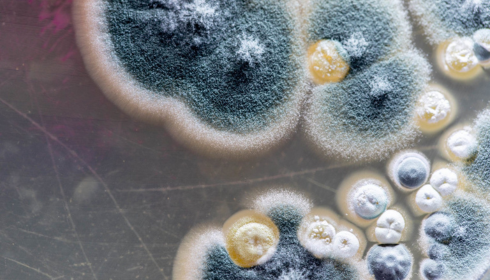
But excess moisture creates conditions where mold spores can spread quietly in hidden areas like vents, walls, ceilings, or beneath flooring.
That’s the unsettling part — mold problems often begin invisibly.
People sometimes notice symptoms before they notice the source itself. Lingering odors. Increased allergies. Persistent coughing indoors. A room that somehow never feels fresh no matter how much cleaning happens.
Of course, not every musty smell means serious mold issues. Homes naturally experience humidity changes. But persistent dampness deserves attention because moisture problems rarely improve on their own.
And honestly, catching these issues early saves homeowners enormous stress later.
Cleaner Air Isn’t About Perfection
This part matters because people often assume improving indoor air means obsessively sterilizing every surface.
It doesn’t.
Real homes are meant to be lived in. Kids track dirt inside. Pets shed fur. Cooking creates smells and particles. That’s normal life. The goal isn’t creating a laboratory environment — it’s simply reducing the buildup of irritants that make a home feel less comfortable over time.
Small changes often help more than people expect:
- Opening windows when weather allows
- Using better HVAC filters
- Managing humidity levels
- Vacuuming carpets regularly
- Cleaning vents occasionally
- Allowing fresh airflow throughout the house
These habits aren’t glamorous, but they quietly improve indoor environments in meaningful ways.
Your Home Should Feel Like a Place to Recover
That’s probably the biggest thing people forget.
Home is where your body rests, sleeps, and resets from everything happening outside. If the environment itself constantly irritates your breathing, skin, or comfort levels, even subtly, it affects daily life more than most people realize.
The improvements from cleaner air are often quiet rather than dramatic. Better sleep. Fewer headaches. Less congestion in the morning. Rooms feeling fresher instead of heavy or stale.
Tiny changes, really. But those tiny changes add up over weeks and months.
And maybe that’s why indoor air quality has become such an important conversation lately. People are realizing comfort isn’t only about how a home looks — it’s also about how the space actually feels to live in every single day.
Sometimes the invisible parts of a home matter just as much as the visible ones.