Most people don’t spend much time thinking about the kind of water flowing through their house. If it comes out of the tap, looks clear enough, and doesn’t smell strange, that’s usually good enough. I used to think the same way, honestly. Water was just… water.
Then I moved into an older home where every faucet seemed coated in white residue within days. The shower glass constantly looked cloudy no matter how much scrubbing happened, and somehow towels always felt rough straight out of the laundry. It wasn’t a disaster exactly, but little frustrations started piling up.
That’s when I learned how much hard water quietly affects everyday life.
The Problem Most Homes Don’t Notice Right Away
Hard water contains higher levels of minerals like calcium and magnesium. Those minerals aren’t necessarily dangerous, but they leave traces everywhere over time. Pipes collect buildup, appliances work harder, and surfaces become harder to keep clean.
The tricky part is how gradually it happens.
Most homeowners adapt without realizing it. You get used to using more detergent. You assume the dishwasher is just getting old. You buy stronger cleaning products instead of questioning the water itself.
Then one day you visit someone else’s home with soft water, and suddenly you notice the difference immediately. Soap lathers faster. Hair feels smoother. Towels actually feel soft instead of stiff and scratchy.
It’s one of those things people rarely understand until they experience both sides firsthand.
Water Impacts More Than Just Plumbing
A lot of conversations around hard water focus on visible buildup, but the hidden effects are often more important. Water heaters, dishwashers, coffee machines, washing machines — they all depend on clean internal operation to function efficiently.
Mineral deposits slowly collect inside these systems, reducing performance bit by bit. It’s not dramatic at first. Appliances simply become less effective over time while consuming more energy to do the same job.
That’s why homeowners sometimes notice lower utility costs after improving water quality, even without changing their habits much.
Your Appliances Notice Hard Water Too
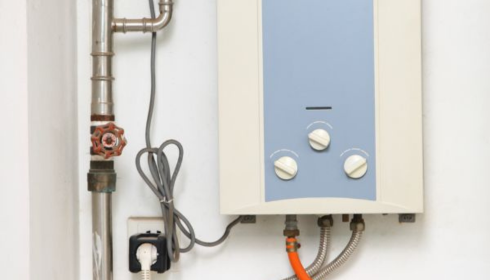
One thing people underestimate is how expensive appliance strain becomes over the years. Hard water buildup acts almost like plaque inside machines and pipes. Water heaters, in particular, tend to suffer because sediment accumulates around heating elements.
As a result, systems need more energy to heat water properly. Dishwashers may require longer cycles. Washing machines work harder than they should.
Improving appliance efficiency isn’t always about buying new equipment. Sometimes it’s about helping existing equipment operate under better conditions.
And honestly, when appliances aren’t fighting against mineral buildup constantly, they simply last longer. That alone can save homeowners a surprising amount of money over time.
The Small Everyday Improvements Add Up
People often expect huge dramatic changes after installing a water softener or filtration system. In reality, the biggest improvements are usually subtle.
Coffee tastes cleaner somehow. Soap rinses more easily. Shower doors stay cleaner longer. Laundry detergents suddenly work better using smaller amounts. Even skin dryness sometimes improves because soap residue doesn’t cling to the body the same way.
It’s funny because none of these things sound life-changing individually. Yet together, they noticeably improve daily comfort.
And unlike trendy home gadgets people stop caring about after a month, better water affects routines every single day.
Energy Costs Quietly Follow Water Quality
Here’s something many homeowners never connect: water quality and energy consumption are surprisingly linked.
When water heaters struggle against sediment buildup, they use more electricity or gas. Appliances clogged with minerals often require longer operating times. Plumbing systems under strain lose efficiency gradually without homeowners realizing it.
That’s one reason improved water conditions can contribute to long-term energy savings throughout the home.
Not overnight miracles, obviously. But steady, practical reductions that become noticeable over months and years.
The funny thing is that homeowners often expect savings only on water-related costs, then end up seeing benefits in appliance performance and energy use too.
Maintenance Still Matters
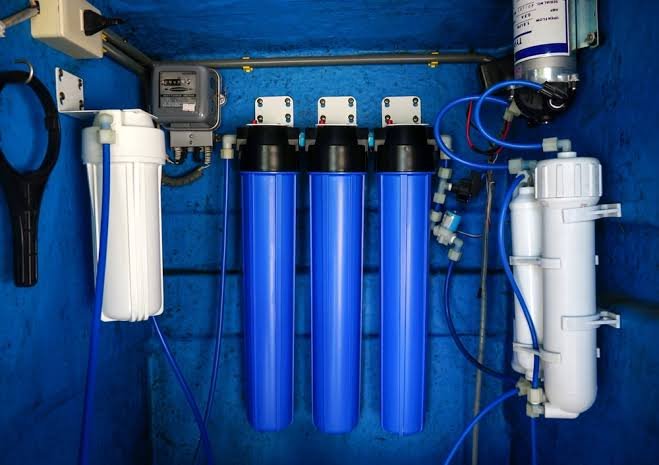
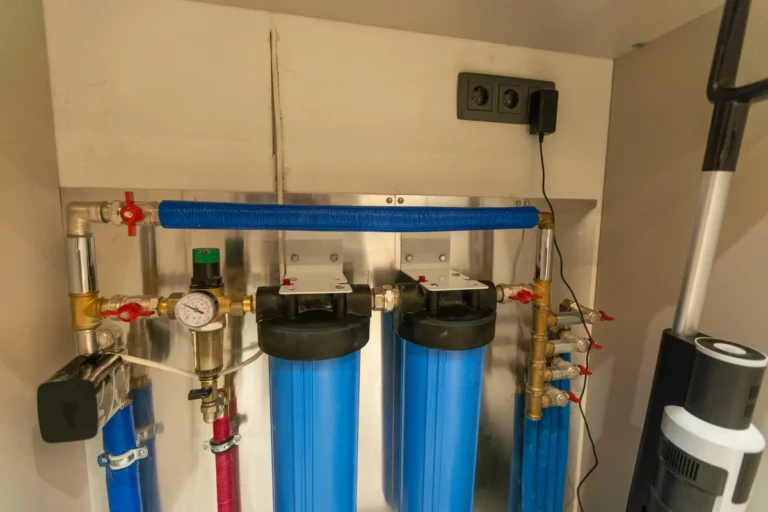
Even the best water systems need occasional maintenance. Salt levels, filter replacements, inspections — these things matter more than many people realize.
The good news is that modern systems are far easier to maintain than older generations used to be. Many now include smart monitoring features or simple service reminders that make upkeep pretty straightforward.
Ignoring maintenance entirely, though, tends to defeat the purpose. Water systems work best when homeowners treat them like any other important household equipment rather than something installed once and forgotten forever.
Every Home Has Different Water Needs
One challenge with water treatment is that no universal solution exists. A rural home using well water faces different conditions than a suburban house connected to municipal supply. Older plumbing systems may need different approaches compared to newer construction.
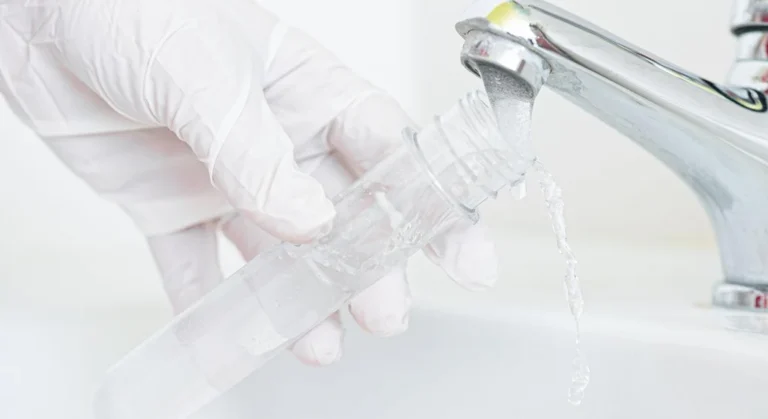
That’s why proper testing matters before investing in equipment.
Guessing usually leads to overspending or solving the wrong problem entirely.
The smartest approach is understanding what’s actually happening inside your water first instead of blindly copying someone else’s setup online.
Final Thoughts
Water affects far more parts of daily life than most people realize. It shapes how appliances perform, how homes feel, how laundry turns out, and even how much energy households quietly consume in the background.
And because these effects happen gradually, homeowners often adapt to declining water conditions without noticing how much comfort and efficiency they’ve lost along the way.
Improving water quality doesn’t need to feel overwhelming or complicated. Sometimes relatively small upgrades create meaningful differences that continue paying off for years afterward.
Not flashy changes. Not dramatic transformations. Just quieter improvements that make everyday life feel smoother, cleaner, and a little easier — the kind of upgrades people tend to appreciate more with time.