Water rarely gets the spotlight in business discussions. People talk about marketing, staffing, technology, and rising operational costs, yet one of the most important resources often stays in the background. It’s only when equipment starts failing, utility bills creep upward, or customers notice something unusual that water suddenly becomes everyone’s concern.
The truth is, water affects nearly every commercial operation in some way. Restaurants rely on it for cooking and cleaning, hotels need it for guest comfort, healthcare facilities depend on consistent water quality, and manufacturing businesses often require precise water conditions to keep production running smoothly. When water isn’t properly managed, the effects can ripple through an entire operation.
That doesn’t mean every business needs an elaborate treatment setup. What it does mean is that understanding your water—and treating it appropriately—can save a surprising amount of money, time, and frustration over the long run.
Every Water Supply Has Its Own Personality
It’s easy to assume that all municipal water is basically the same. After all, it comes out of the tap looking clear. But appearances don’t tell the whole story.
Depending on where your business is located, your water may contain high levels of hardness minerals, chlorine, sediment, dissolved salts, iron, sulfur, or other naturally occurring substances. Seasonal weather, aging infrastructure, and local water sources can also influence water quality throughout the year.
That’s why two businesses in neighboring cities may experience completely different maintenance issues despite using similar equipment.
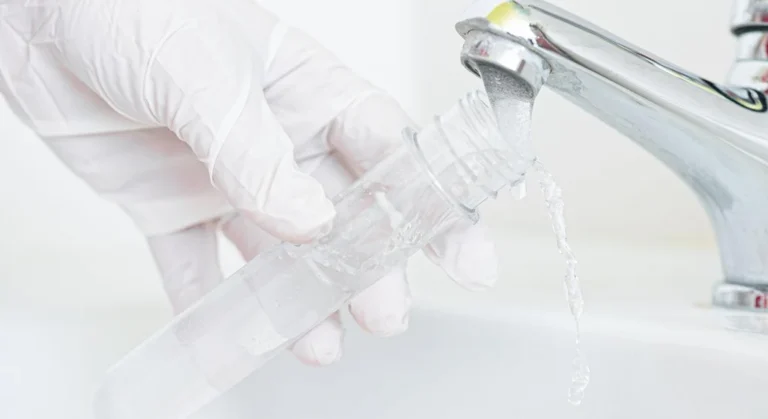
A simple water analysis often reveals problems long before they become expensive repairs.
Small Water Problems Become Big Expenses
Business owners don’t usually receive an invoice labeled “poor water quality.” Instead, the costs appear in less obvious ways.
Heating equipment becomes less efficient. Dishwashers require extra maintenance. Ice machines need more frequent servicing. Pipes slowly accumulate scale, while valves and fittings wear out faster than expected.
These aren’t dramatic failures that happen overnight. They’re gradual losses that quietly drain maintenance budgets year after year.
Many companies assume equipment simply wears out with age, when in reality untreated water may have shortened its lifespan considerably.
Why commercial water softeners Make Sense for Many Businesses
Hard water is one of the most common challenges commercial facilities face. Minerals such as calcium and magnesium leave behind stubborn scale inside plumbing systems, boilers, water heaters, and countless other pieces of equipment.
Over time, that mineral buildup acts like insulation. Heating elements work harder, water flow decreases, and energy consumption rises. Maintenance teams spend more time removing scale than focusing on preventive care.
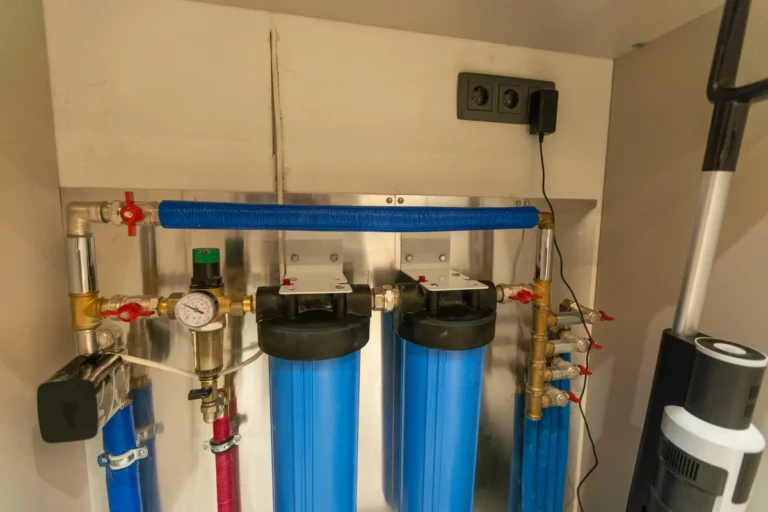
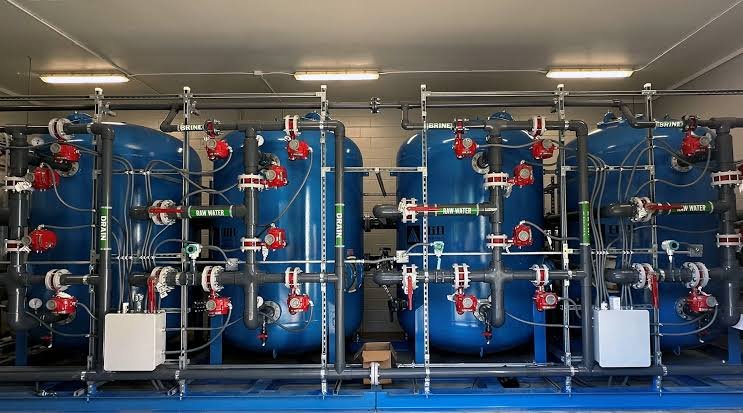
Installing commercial water softeners helps reduce these issues by removing hardness minerals before they enter the system. The result is smoother equipment operation, improved energy efficiency, fewer breakdowns, and longer equipment life.
For businesses that use large amounts of heated water every day, the savings can become noticeable surprisingly quickly.
Clean Water Supports Better Customer Experiences
Water quality doesn’t only affect machinery—it affects people too.
Imagine ordering coffee at a café where mineral-heavy water changes the flavor. Or staying at a hotel where showerheads are clogged with scale and glassware appears cloudy despite being freshly cleaned.
Customers may never identify water as the source of the problem, but they certainly notice the results.
Restaurants, hospitality businesses, healthcare facilities, and even office buildings all benefit when water supports a consistently positive experience rather than creating subtle frustrations.
Sometimes quality is reflected in the little details that guests never have to think about.
When Purity Becomes Essential
Not every commercial application can rely on standard treated water.
Certain manufacturing processes, laboratories, pharmaceutical facilities, food production plants, and healthcare environments require water with extremely low levels of dissolved minerals and impurities.
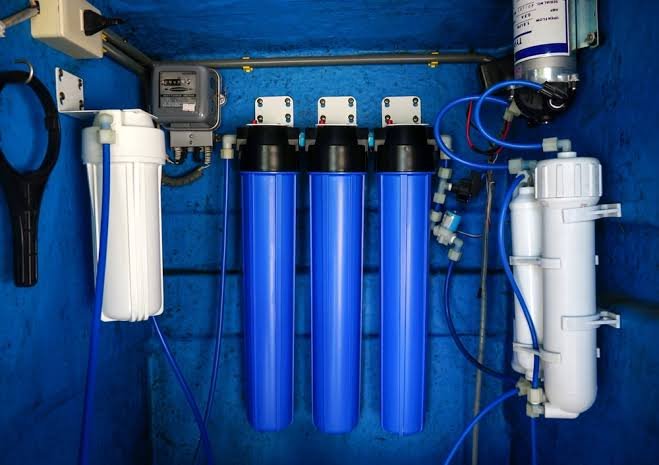
That’s where commercial reverse osmosis systems become valuable.
Reverse osmosis technology pushes water through highly specialized membranes that remove a wide range of dissolved contaminants. The result is exceptionally purified water suitable for applications where consistency and precision matter.
These systems aren’t necessary for every business, but when water purity directly affects product quality or operational reliability, they often become an essential investment rather than an optional upgrade.
There’s No Universal Solution
One mistake businesses sometimes make is assuming the same treatment system works everywhere.
A manufacturing facility processing metal components has different requirements than a hotel. A bakery has different needs than a medical clinic. Even two restaurants in different regions may need completely different treatment approaches because their incoming water isn’t identical.
That’s why experienced water professionals usually begin with testing rather than recommending equipment immediately.
Understanding the chemistry of your water allows treatment systems to solve actual problems instead of guessing what might exist.
The Value of customized solutions
Businesses are unique, and their water treatment should reflect that.
Instead of purchasing oversized systems or unnecessary equipment, many companies benefit most from customized solutions designed specifically around their operations, water conditions, and daily usage patterns.
Some facilities may require only softening. Others combine filtration, reverse osmosis, ultraviolet disinfection, or specialty treatment technologies to meet operational goals.
A tailored approach often delivers better performance while avoiding unnecessary expenses.
In many cases, simpler systems—when properly designed—perform better than complicated setups chosen without proper analysis.
Sustainability and Efficiency Go Hand in Hand
Water treatment isn’t just about protecting equipment anymore.
Businesses increasingly focus on sustainability, energy efficiency, and responsible resource management. Better water quality naturally supports those goals.
When equipment operates without heavy mineral buildup, it consumes less energy. Fewer repairs mean fewer replacement parts entering the waste stream. Longer equipment life reduces manufacturing demand and lowers overall environmental impact.
Some treatment systems also help reduce excessive chemical use and unnecessary water waste during maintenance procedures.
These improvements may seem modest individually, but over several years they contribute to meaningful operational savings while supporting broader environmental initiatives.
Prevention Is Usually Less Expensive Than Repairs
One of the most valuable lessons experienced facility managers learn is that preventive maintenance almost always costs less than emergency repairs.
Water treatment follows that same principle.
Rather than waiting for boilers to fail, plumbing to clog, or expensive appliances to require replacement, businesses can address water quality before damage begins.
Routine water testing, scheduled equipment inspections, and periodic system maintenance create a proactive approach that keeps operations running more smoothly with fewer unexpected interruptions.
It’s not particularly glamorous work, but it’s remarkably effective.
Final Thoughts
Every successful business depends on consistency. Reliable equipment, satisfied customers, efficient operations, and predictable maintenance costs all contribute to long-term success.
Water quietly influences each of those areas every single day.
By understanding your water supply and choosing treatment methods that genuinely fit your operational needs, businesses can improve equipment performance, reduce maintenance costs, enhance customer experiences, and support sustainable growth at the same time.
Good water management isn’t simply another operational expense. It’s an investment in reliability—one that often pays for itself through fewer repairs, lower energy consumption, and smoother day-to-day operations long before anyone notices the difference.