

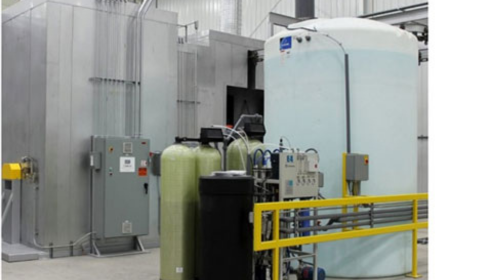

Most people don’t think about water very much until it starts becoming inconvenient. Maybe the dishes come out cloudy no matter how carefully they’re washed. Maybe the shower leaves your skin feeling strangely dry, or the coffee suddenly tastes a little off for reasons nobody can quite explain.
Water has a quiet influence on daily life. It sits in the background doing its job until something changes. Then suddenly, you notice it everywhere.
Over the last several years, more homeowners have started paying closer attention to the quality of the water running through their homes. Not because it’s trendy, honestly. Mostly because people are beginning to realize how deeply water affects comfort, appliances, cleaning, cooking, and overall household maintenance.
And once you notice poor water quality, it’s hard to unsee it.
Not All Water Is the Same
One thing many homeowners discover pretty quickly is that water quality varies dramatically depending on location. Two homes only a few miles apart can have completely different water conditions based on groundwater sources, municipal treatment methods, aging infrastructure, or local geology.
Naturally occurring minerals like calcium, magnesium, and iron are especially common in many water supplies. While these substances aren’t necessarily dangerous, they can create a surprising number of household frustrations over time.
Hard water stains around faucets. Scale buildup inside appliances. Dry skin after showers. Reduced soap efficiency. It all adds up slowly.
The frustrating part is that people often assume these problems are simply normal parts of homeownership. They clean harder, replace appliances sooner, or blame cheap plumbing fixtures without realizing their water might actually be the underlying issue.
Water Quality Impacts More Than Drinking Water
People tend to associate water treatment only with drinking water, but honestly, the effects go much further than that. Water touches nearly every part of household life.
It affects laundry softness. It influences how soap lathers. It impacts dishwashers, water heaters, coffee makers, and even plumbing longevity. Some homeowners notice changes in hair texture or skin irritation when water conditions improve.
And strangely enough, small improvements often become noticeable very quickly.
The first time someone showers with treated water after years of hard water exposure, the difference tends to feel surprisingly obvious. Towels feel softer. Glassware looks cleaner. Appliances run more efficiently. None of these things sound dramatic on paper, yet together they change the overall comfort of a home in meaningful ways.
Modern Systems Have Become Much Smarter
Years ago, water treatment equipment sometimes felt overly industrial or complicated. Big tanks in dark basements. Confusing maintenance instructions. Constant repairs.
Today’s conditioning systems are generally more efficient, more compact, and easier to maintain than older setups. Many modern systems operate quietly in the background with very little day-to-day attention required from homeowners.
Some systems focus specifically on reducing mineral-related buildup without removing beneficial mineral content entirely. Others target chlorine, sediment, odors, iron, or bacterial contaminants depending on the household’s needs.
That customization matters because water problems aren’t universal. A rural home using well water faces completely different challenges compared to an urban apartment connected to a municipal system.
And honestly, that’s why blindly buying the “most expensive” system online doesn’t always solve the actual problem.
Testing Matters More Than Marketing
There’s a tendency for people to research water treatment the same way they shop for headphones or kitchen gadgets — comparing reviews, chasing top-rated products, and getting overwhelmed by advertisements promising perfect water overnight.
But water treatment isn’t really one-size-fits-all.
The smartest starting point is usually understanding what’s actually in the water first. Proper testing reveals mineral levels, pH balance, contaminants, sediment presence, and other factors that determine which solutions make sense.
Without testing, homeowners are mostly guessing.
That’s where professionally designed water treatment systems become valuable. Instead of relying on generic marketing claims, these systems are typically selected based on the home’s actual water conditions and daily usage needs.
And in many cases, simpler systems work perfectly well once the real issue is identified accurately.
Maintenance Is Part of the Process
Of course, even the best water treatment setup still needs occasional care. Filters require replacement. Salt levels may need monitoring. Tanks sometimes need cleaning. UV bulbs eventually wear out.
The good news is that maintenance today is usually pretty manageable. Many newer systems even include reminders or monitoring features that help homeowners stay ahead of problems before they become serious.
Still, neglecting maintenance can quietly reduce effectiveness over time. A clogged filter or ignored system won’t perform properly no matter how advanced the equipment was originally.
It’s a bit like owning a car — regular upkeep prevents bigger headaches later.
Better Water Creates a More Comfortable Home
There’s also an emotional side to water quality that people don’t always talk about openly. Clean, balanced water simply makes a home feel better.
Showers become more enjoyable. Coffee tastes cleaner. Dishes sparkle without extra effort. Laundry feels softer against the skin. Tiny things, maybe, but daily life is mostly built from tiny experiences repeated over and over again.
And honestly, comfort matters more than people sometimes admit.
Final Thoughts
Water quality isn’t something most homeowners think about until small annoyances begin stacking up. But once attention shifts toward the issue, the effects become difficult to ignore.
Whether it’s protecting appliances, improving comfort, reducing maintenance problems, or simply making everyday routines feel smoother, investing in better water treatment often delivers benefits that reach far beyond the tap itself.
Because at the end of the day, water quietly touches almost every part of home life — and when it improves, everything connected to it tends to improve too.