Most of us don’t spend much time thinking about water. We turn on the tap in the morning, fill the kettle half-awake, rinse vegetables for dinner, and move on with our day. Water feels constant — almost invisible — until something changes.
Sometimes it’s subtle. Your coffee tastes strangely bitter even though you bought the same beans you always do. Maybe your shower leaves your skin feeling dry, or you notice stubborn white residue collecting around faucets and sinks. Other times, it’s just a lingering feeling that something seems… off.
The truth is, water quality issues rarely arrive dramatically. They build slowly, quietly blending into daily life until homeowners finally start paying attention.
And honestly, paying attention isn’t a bad thing.
Clear Water Doesn’t Always Mean Clean Water
One of the biggest misconceptions people have is assuming that if water looks clear, it must be perfectly fine. But water can contain minerals, dissolved particles, chemicals, or imbalances that aren’t immediately visible to the eye.
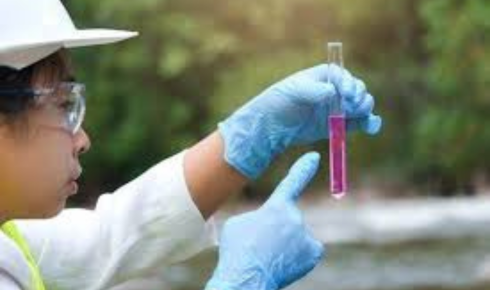
That’s why testing matters more than people realize.
A friend of mine once spent months replacing kitchen appliances because everything kept developing scale buildup far too quickly. Coffee makers, kettles, even the dishwasher. She assumed the products were cheaply made. In reality, the issue came from unusually high mineral content in the home’s water.
It’s funny how often people blame appliances, soap, or plumbing before considering the water itself.
Understanding What’s Actually in Your Water
When homeowners start exploring water quality, one term that comes up constantly is total dissolved solids. It sounds technical and intimidating at first, but the concept is fairly simple.
TDS refers to the amount of dissolved minerals, salts, metals, and particles present in water. Some dissolved solids occur naturally and aren’t harmful. In fact, certain minerals contribute to taste. But excessively high levels can affect flavor, appliance efficiency, and overall water feel.
Water with elevated dissolved solids may taste metallic, salty, or overly “heavy.” It can also contribute to scale buildup inside pipes, faucets, and household appliances over time.
The tricky part is that most people wouldn’t identify TDS issues immediately unless they actually test the water. They simply adjust to the taste or learn to live with constant buildup around fixtures.
Why pH Balance Matters More Than People Think
Another detail many homeowners overlook is the pH level of their water.
Again, this sounds more scientific than it really is. In simple terms, pH measures whether water is acidic, neutral, or alkaline. Ideally, household water stays within a balanced range that protects plumbing, appliances, and comfort.
Water that’s too acidic can slowly corrode pipes and fixtures. Over time, that corrosion may even affect the taste and appearance of the water itself. On the other hand, highly alkaline water may contribute to mineral deposits and scaling problems.
The interesting thing is that pH imbalances often create small frustrations homeowners don’t initially connect to water at all. Dry skin. Metallic tastes. Plumbing wear. Strange staining. These problems can quietly develop for years before anyone investigates the actual source.
And honestly, most people don’t think about pH until someone points it out during a water test.
Water Safety Is About More Than Taste
A lot of homeowners focus first on whether their water tastes okay, which makes sense. Taste is immediate. But water safety goes beyond flavor alone.
Water interacts with nearly every part of life:
cooking,
drinking,
showers,
laundry,
dishwashing,
ice makers,
pet bowls,
baby formula,
even brushing your teeth.
That’s why understanding what’s in your water matters, even if there aren’t obvious warning signs.
Now, this doesn’t mean homeowners should panic every time water tastes slightly different. Municipal systems in many areas are carefully regulated, and countless homes have perfectly acceptable water quality. But occasional testing provides clarity rather than guesswork.
And honestly, peace of mind has value too.
Small Water Problems Tend to Become Bigger Ones
One thing homeowners often underestimate is how gradually water issues affect a home.
Mineral buildup slowly reduces appliance efficiency. Sediment accumulates inside plumbing systems. Hard water damages heating elements over time. Tiny issues compound quietly until repair costs start appearing unexpectedly.
What makes water problems tricky is that they rarely feel urgent in the beginning. A cloudy glass here. A faucet stain there. Slightly stiff laundry. None of it seems catastrophic.
But over years, those minor annoyances can turn into expensive maintenance issues if ignored completely.
That’s why more people are becoming proactive instead of reactive. They’d rather understand their water early than wait until damage becomes obvious.
Not Every Home Needs Complicated Treatment
The internet tends to overcomplicate everything. Search for water advice online and suddenly you’ll find endless arguments about filtration systems, purification methods, and expensive upgrades.
Reality is usually simpler.
Different homes have different needs depending on geography, plumbing age, water source, and household usage. Some families benefit from basic filtration. Others may need softening systems or specialized treatment. And some homes honestly need very little adjustment at all.
The important part is understanding the actual problem before choosing a solution.
Testing first prevents homeowners from buying expensive systems blindly based on fear or marketing hype.
Better Water Quietly Improves Daily Life
Good water doesn’t usually create dramatic moments. It improves ordinary moments instead.
Coffee tastes cleaner.
Showers feel better.
Laundry softens naturally.
Appliances last longer.
Cooking feels easier somehow.
These aren’t flashy upgrades people brag about to guests, but they genuinely affect daily comfort.
And maybe that’s why more homeowners are paying attention now. Not because water suddenly became trendy, but because people are realizing how much of everyday life quietly depends on the quality of something they’ve always taken for granted.