

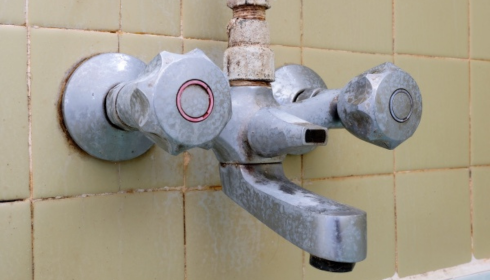

Most homeowners don’t wake up one morning suddenly obsessed with water quality. It usually starts with small irritations. The dishes never seem fully clean. The shower door looks cloudy again two days after scrubbing it. The sink faucet develops that stubborn white crust no cleaner seems able to defeat for long.
At first, these things feel random. Just ordinary household annoyances. But over time, people begin noticing patterns. The same cleaning frustrations keep returning. Appliances wear down faster than expected. Water pressure changes slightly. And eventually, the thought creeps in: maybe the problem isn’t the cleaning products or the appliances at all.
Maybe it’s the water itself.
That realization has become increasingly common in homes everywhere, especially in areas where mineral-heavy water quietly affects daily routines without homeowners fully understanding why.
The Endless Cleaning Cycle
One of the first signs people notice is the constant battle with bathroom surfaces and dishes.
You clean the shower thoroughly, only to find cloudy residue appearing again almost immediately. Mirrors and faucets lose their shine. Glassware comes out of the dishwasher looking dull instead of sparkling. It feels like the house is fighting against you no matter how often you clean.
A big part of this comes from soap scum, which forms when soap reacts with minerals in hard water. Instead of rinsing away completely, it leaves behind a filmy residue that sticks to tubs, sinks, shower walls, and fixtures.
And honestly, it can make perfectly clean bathrooms still feel slightly dirty.
I remember visiting a relative who constantly complained that her bathroom “never stayed clean.” She thought it was poor ventilation or cheap cleaning supplies. Later, a local plumber pointed out the mineral content in her water was unusually high. Suddenly, years of frustration made a lot more sense.
Why Glasses and Fixtures Always Look Cloudy
Another thing homeowners often notice is persistent spotting on dishes, silverware, and glass surfaces.
No matter how good the dishwasher detergent is, water spots keep showing up. Wine glasses look foggy. Faucets lose their polished appearance. Even freshly cleaned windows can end up streaky after drying.
This usually happens because dissolved minerals remain behind after water evaporates. It’s especially common in areas with hard water, where calcium and magnesium levels are naturally elevated.
The frustrating part is how misleading it can feel. People assume their dishwasher is failing or their cleaning routine needs improvement, when really the water itself is creating the issue. Some homeowners spend years buying stronger products without realizing the source of the problem never changed.
And it’s not just cosmetic. Those same minerals can slowly affect the systems inside the home too.
The Quiet Stress Water Places on Plumbing
Most water-related household damage happens slowly enough that homeowners barely notice it developing.
Minerals accumulate inside pipes over time. Water heaters collect sediment. Showerheads clog gradually. Tiny passages inside appliances narrow little by little until performance starts declining.
Eventually, these issues become actual plumbing issues instead of simple inconveniences.
Water pressure drops. Appliances struggle to operate efficiently. Pipes may require repairs earlier than expected. In older homes especially, mineral-heavy water can quietly shorten the lifespan of systems people rely on every day.
The tricky part is that none of this feels urgent at first. It unfolds over years, not weeks. That slow pace makes it easy to overlook until repairs become expensive or frustrating enough to demand attention.
A plumber once told me that homeowners often think their appliances “just got old,” when in reality hard water had been wearing them down for years behind the scenes. Honestly, that stuck with me because it explains why some houses seem harder to maintain than others even when they’re built similarly.
Water Affects Comfort More Than We Realize
One thing people rarely talk about is how much water quality changes the overall feeling of a home.
Hard water can leave skin feeling dry after showers. Hair sometimes feels dull or harder to manage. Towels become stiff after washing. Even clothing can lose softness over time because detergent doesn’t rinse out as effectively.
It’s funny because many people blame weather, soap brands, or laundry detergent without ever considering the water running through the house every day.
Then they stay in a hotel or visit a relative with softer water and suddenly notice how different everything feels. Showers feel smoother. Soap rinses easier. Dishes shine more naturally. It’s subtle but surprisingly noticeable once you experience the contrast firsthand.
Why More Homeowners Are Paying Attention
Years ago, water treatment systems seemed like niche upgrades only certain households considered. Now, though, people are becoming much more aware of how water impacts everyday life.
Part of that shift comes from rising repair costs. Appliances aren’t cheap to replace anymore. Plumbing repairs can become incredibly expensive. Homeowners are realizing that preventing mineral-related wear often costs far less than constantly fixing the damage later.
But there’s also a comfort aspect. Better water simply makes daily routines feel easier. Cleaning becomes less frustrating. Laundry improves. Showers feel better. Even cooking and drinking water taste more pleasant in many cases.
And honestly, once someone experiences those improvements, they rarely want to go back.
Small Changes That Improve Everyday Life
The interesting thing about solving water issues is how quietly the benefits show up afterward.
You spend less time scrubbing the shower. Glasses stop looking cloudy. Appliances run more efficiently. The house simply feels easier to manage.
None of these things are dramatic individually, but together they change the rhythm of daily life in a noticeable way. And maybe that’s why water quality matters more than people used to think. Because it doesn’t just affect the pipes behind the walls — it shapes the comfort and maintenance of the entire home little by little, every single day.