Most people don’t think much about their home’s water until something starts going wrong. A dishwasher leaves spots on glasses. The shower feels harsh on your skin. A faucet develops white crusty stains that somehow come back two days after cleaning them.
At first, it feels like random household annoyance. Just ordinary maintenance stuff.
But over time, many homeowners realize the real issue isn’t always the appliance or the cleaning product. Sometimes, it’s the water itself quietly shaping how the entire house functions day after day.
That realization tends to change the way people look at their homes.
Water Touches Nearly Everything
It’s easy to underestimate how connected water is to everyday comfort. We usually think about drinking water first, but it reaches far beyond the kitchen sink.
Water moves through showers, washing machines, dishwashers, water heaters, and every pipe hidden behind the walls. It affects how soap lathers, how surfaces clean, and even how long appliances survive before repairs become necessary.
When water quality is poor, the effects spread slowly into routines people repeat every single day.
And honestly, the signs are often subtle at first.
Laundry Is One of the First Things People Notice
One surprisingly common complaint in homes with hard or untreated water is the way laundry feels after washing. Towels become rough. Dark fabrics fade faster. White shirts lose brightness no matter how expensive the detergent is.
Many homeowners eventually realize their clothes aren’t wearing out as quickly because of the washing machine alone — mineral-heavy water can also make detergents less effective and leave behind residue that slowly affects fabric texture over time.
It sounds minor until you start replacing towels and bedding more frequently than expected.
A friend of mine once switched to treated water mainly because his kids had sensitive skin, but he ended up talking more about how much softer their laundry felt afterward. Funny how practical home upgrades sometimes surprise people in unexpected ways.
Appliances Quietly Absorb the Damage
Hard water doesn’t just affect surfaces you can see. It also creates problems deep inside household systems where minerals slowly collect over time.
Water heaters are especially vulnerable because heat accelerates mineral buildup. Dishwashers, coffee makers, and washing machines often lose efficiency gradually without homeowners realizing why. By the time performance noticeably drops, deposits may already be sitting inside pipes, valves, and heating components.
That’s one reason many families start paying closer attention to water treatment after replacing expensive appliances earlier than expected. Nobody enjoys spending money on a new dishwasher only to hear a technician explain that mineral buildup shortened the previous unit’s lifespan.
And honestly, most people don’t connect those dots immediately.
The Comfort Factor Is Hard to Explain
One interesting thing about improving water quality is that the benefits rarely feel dramatic overnight. Instead, comfort slowly improves in ways that are difficult to describe until you experience them firsthand.
Showers feel smoother somehow. Soap rinses more cleanly. Hair behaves differently. Skin feels less dry during colder months. Glassware comes out cleaner without constant polishing.
None of these things sound life-changing individually.
But daily routines are built from small experiences repeated again and again. When several of those experiences improve at once, the overall feeling inside a home changes more than people expect.
It’s subtle. But noticeable.
Plumbing Problems Often Build Quietly
Perhaps the biggest issue with poor water quality is that some of the most expensive damage happens where nobody can see it.
Mineral deposits collect inside pipes over years. Water pressure slowly decreases. Small clogs form in narrow plumbing lines. Fixtures wear down faster. In extreme cases, corrosion or buildup may eventually contribute to leaks and costly repairs.
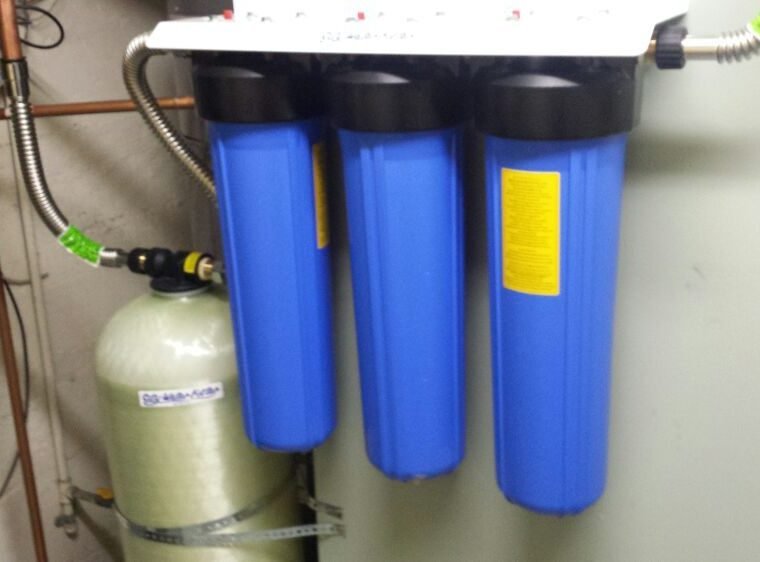
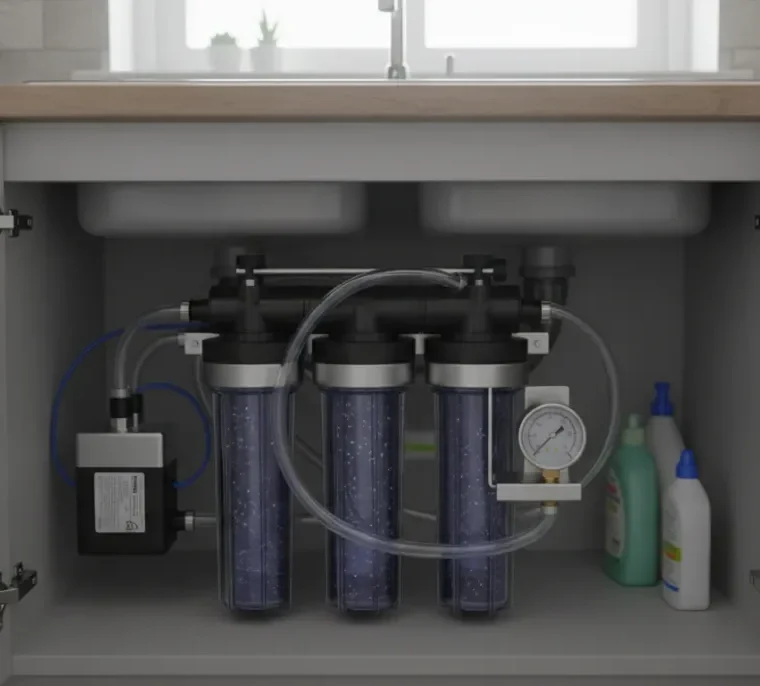
That’s why many homeowners view filtration or softening systems as a form of plumbing protection rather than simply a convenience upgrade. Preventing internal buildup helps reduce long-term strain throughout the home’s plumbing network, especially in areas known for very hard water.
A plumber I spoke with once said something pretty memorable: “Pipes remember every gallon of water that passes through them.”
It sounds overly poetic for plumbing advice, but honestly, he wasn’t wrong.
Water Quality Varies More Than People Realize
One thing homeowners often discover during research is how different water conditions can be from one neighborhood to another. Two homes only a few miles apart may have completely different mineral content, chlorine levels, or sediment concerns depending on local infrastructure and water sources.
That’s why testing water before buying expensive treatment systems usually makes far more sense than relying on generic recommendations online.
Some homes mainly need softening. Others benefit more from filtration. And in certain cases, water quality may already be perfectly acceptable without major upgrades at all.
There’s no universal solution, despite what advertisements sometimes claim.
Small Improvements Change Daily Life
The interesting thing about better water isn’t that it creates one huge dramatic transformation. Most homeowners don’t suddenly feel like they’re living in a luxury resort after installing a filtration or softening system.
Instead, frustration slowly fades away.
You clean less mineral residue from fixtures. Laundry feels softer. Appliances seem to run more efficiently. Showers become more enjoyable. Little maintenance issues stop piling up constantly.
And honestly, that steady reduction in everyday annoyance matters more than flashy upgrades people show off online.
Good water quietly improves the background of daily life. Not in a loud or glamorous way, but in the kind of practical, comforting way people genuinely notice after living with it for a while.
Sometimes the best home improvements are the ones you stop thinking about because everything simply works better afterward.