A roof doesn’t usually demand attention on a quiet, sunny afternoon. Problems tend to show up when the weather turns bad, a ceiling stain appears overnight, or water starts dripping into a room just as you’re getting ready for bed. It’s frustrating, especially when the damage seems minor at first. A loose shingle or a little discoloration might not look urgent, but roofing issues rarely improve on their own.
The good news is that homeowners can often limit the damage by recognizing early warning signs and arranging the right help. Understanding what to look for, how repairs are approached, and when professional attention is necessary can protect both the building and your budget.
Recognizing the Early Signs of Roof Damage
Some roofing problems are easy to spot from the ground. You might notice missing shingles, uneven roof edges, sagging gutters, or pieces of roofing material scattered around the yard after a windy day. Other warning signs appear indoors. Brown ceiling marks, peeling paint, damp insulation, and musty smells can all suggest that moisture is getting into places it shouldn’t.
Not every stain means the roof is failing, of course. Condensation, plumbing leaks, and ventilation issues can produce similar symptoms. Still, it’s worth investigating a new or growing stain rather than simply painting over it. Covering the mark may improve the room’s appearance, but it won’t solve the source of the moisture.
After heavy rain, take a look at the ceilings and upper walls, particularly around chimneys, skylights, and exterior corners. You can inspect visible areas from a safe position, but avoid climbing onto the roof yourself. Wet roofing surfaces are slippery, and damaged sections may not support your weight.
Why Timely Repairs Matter
A roof protects much more than the rooms directly beneath it. It helps keep insulation dry, preserves the condition of the building’s framing, and directs rainwater away from vulnerable areas. When that protection is compromised, water can spread through layers of the building before the damage becomes obvious.
For example, a homeowner might notice a single damaged shingle and decide to wait until the next season to fix it. During another storm, wind-driven rain enters through the exposed area. The water reaches the underlayment, dampens insulation, and eventually leaves a mark on the bedroom ceiling. What began as a limited roofing issue can turn into a project involving interior repairs and moisture removal.
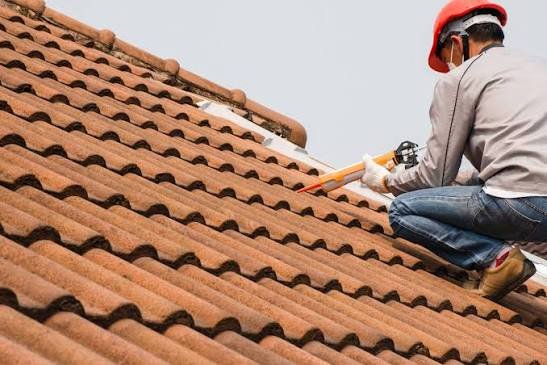
Professional residential roof repair can address problems such as damaged shingles, loose flashing, leaking roof penetrations, and deteriorated sealing materials. The exact solution depends on the roof’s age, construction, and overall condition. A good contractor examines the surrounding area as well as the obvious defect, since damage rarely follows neat boundaries.
Finding the Source of a Leak
A leaky roof can be surprisingly difficult to diagnose. Water doesn’t always appear directly below the opening where it enters. It may travel along roof decking, rafters, insulation, or other building components before finding a way into the living space.
This explains why a ceiling stain near a window doesn’t necessarily mean the window itself is responsible. The water could be entering through damaged flashing higher up the roof or around a nearby vent. Similarly, a drip in an attic may come from condensation rather than rainwater entering from outside.
A qualified roofer will look for evidence that helps narrow down the source. Depending on the circumstances, that may involve examining shingles, flashing, valleys, roof edges, vents, gutters, and accessible attic areas. Photographs and a clear explanation of the findings can help homeowners understand what’s happening and why a particular repair is recommended.
If water is actively entering the house, move furniture and valuables away from the affected area if it is safe to do so. Keep away from wet electrical fixtures and damaged ceilings. If a ceiling is bulging or sagging, don’t stand beneath it; water accumulation can make the situation hazardous.
Choosing the Right Repair Approach
Not every roof needs to be replaced because one section has failed. When damage is limited and the surrounding materials remain in reasonable condition, a targeted repair may be sufficient. A contractor might replace a few shingles, reseal a vulnerable joint, repair flashing, or correct a drainage problem.
However, patching one area isn’t always the most sensible choice. If shingles are deteriorating across the entire roof, repairs have become frequent, or moisture has affected underlying materials, a more extensive solution may be necessary. The decision should be based on the roof’s condition rather than a sales pitch.
Ask the contractor to explain the options and their expected lifespan. A written estimate should identify the affected areas, proposed materials, labor, cleanup, and any additional work that may be required if hidden damage is uncovered. If the recommendation involves replacing the whole roof, ask what evidence supports that conclusion.
It’s also reasonable to seek another opinion when the proposed work is expensive or the explanation doesn’t make sense. You deserve to understand what you’re paying for.
The Value of Regular Maintenance
Many roofing problems develop gradually. Flashing loosens, sealants deteriorate, gutters become clogged, and branches scrape against roofing materials. These changes may seem insignificant until water begins entering the building.
Routine repair and maintenance can help identify developing problems before they become disruptive. Homeowners can keep gutters clear, check for obvious damage from the ground, trim overhanging branches, and look for signs of poor drainage around the property. Professional inspections are particularly useful after severe weather or when a roof is getting older.
Maintenance doesn’t mean attempting every task yourself. Roof access can be dangerous, and some materials require specialized handling. Leave work at height and repairs involving complex roof components to qualified professionals. It’s far better to pay for a safe inspection than to risk an injury trying to save a little money.
Good records also help. Keep notes about previous repairs, the materials used, and any recurring trouble spots. If a problem returns in the same place, that history may help a contractor identify an underlying cause instead of repeating a temporary fix.
Making Roofing Costs Easier to Manage
Unexpected repairs can strain a household budget, but clear information helps. Request a detailed estimate, ask which work needs immediate attention, and find out whether the contractor offers a warranty on labor or materials. Check the terms rather than assuming all warranties provide the same protection.
If storm damage may be covered by insurance, photograph the affected areas and contact your insurer for guidance. Coverage depends on your specific policy and the cause of the damage. Keep copies of estimates, inspection reports, receipts, and communications, and avoid signing documents you don’t fully understand.
Be wary of anyone who pressures you to make an immediate decision or promises that insurance will cover every expense. Reliable contractors should be willing to explain their recommendations and give you time to review the details.
A Little Attention Goes a Long Way
A healthy roof often stays out of sight and out of mind, which is exactly how most homeowners prefer it. But paying attention to small changes can make a real difference. A missing shingle, a new stain, or a gutter that suddenly overflows may be an early signal that something needs attention.
The aim isn’t to worry about every mark or rush into unnecessary work. It’s to recognize genuine warning signs, get professional advice when needed, and deal with problems before they spread. With sensible inspections, timely repairs, and consistent upkeep, you can help your roof do its job for years to come—and keep your home comfortable through whatever weather arrives next.