Most of us don’t spend much time thinking about water. We turn on the faucet, fill a glass, make coffee, cook dinner, or jump into the shower without giving it a second thought. It’s one of those everyday conveniences that quietly supports nearly everything we do.
That is, until something feels different.
Maybe the water develops an unusual taste after a heavy rain. Perhaps your sink starts collecting stubborn white stains, or your laundry doesn’t feel as soft as it once did. Sometimes there are no obvious warning signs at all, which can be even more concerning. Water quality issues often develop gradually, making them easy to overlook until they begin affecting your home, your plumbing, or your family’s comfort.
The encouraging part is that understanding your water isn’t nearly as complicated as many people imagine. A little knowledge goes a long way, and it can help you make smarter decisions before small concerns become expensive headaches.
Water Changes More Than We Realize
Every water source has its own story.
Municipal water travels through treatment facilities before reaching homes, while private wells depend on local geology and underground aquifers. Seasonal rainfall, aging infrastructure, nearby development, and natural minerals all influence what eventually comes out of your tap.
Even neighboring homes can experience noticeably different water conditions. One household may struggle with hard water, while another deals with sediment, sulfur odors, or elevated mineral levels.
That’s why assumptions rarely work. Understanding your own water supply is always more valuable than relying on general expectations.
Looking Below the Surface
Many homeowners assume clear water must be clean water.
Unfortunately, that isn’t always true.
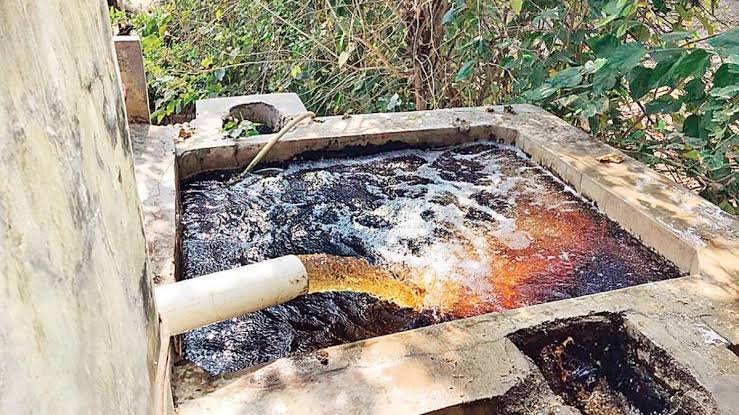
Some of the most significant concerns remain completely invisible. Changes beneath the surface—such as groundwater contamination—can occur without affecting the appearance, taste, or smell of water. Natural geological formations, agricultural runoff, aging septic systems, and certain industrial activities may all influence groundwater quality depending on where a property is located.
For homes that rely on private wells, routine testing becomes especially important because water quality can change over time without any noticeable clues.
Knowing what’s in your water provides confidence that appearances alone simply can’t offer.
The Hidden Effects of Everyday Water
Water touches almost every aspect of daily living.
It’s used to prepare meals, brew coffee, make ice, wash fruits and vegetables, clean dishes, bathe children, and keep household appliances running. Because of that, even subtle changes in water quality can influence many parts of home life.
Some people first notice dry skin after showering. Others become frustrated by mineral stains that constantly reappear on fixtures. Coffee tastes different. Soap refuses to lather properly. Water heaters begin working harder because mineral deposits quietly build inside the tank.
These small inconveniences often have a common source, even if they don’t seem connected at first.
Testing Removes the Guesswork
One of the smartest investments a homeowner can make isn’t necessarily buying a filtration system.
It’s testing the water first.
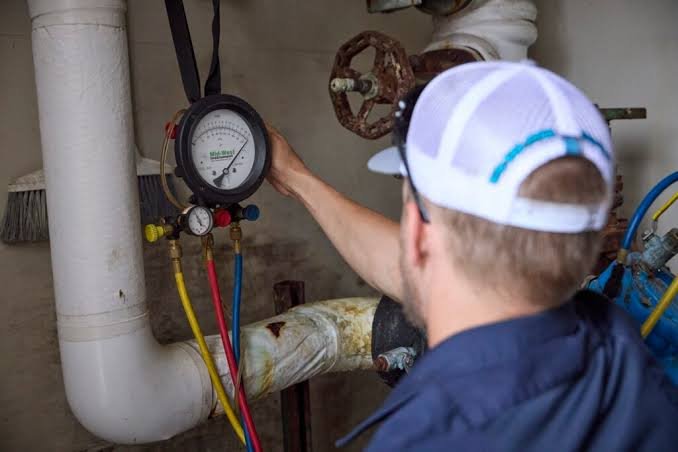
Professional water analysis identifies the specific characteristics of your supply rather than relying on assumptions. Testing can evaluate hardness, pH balance, dissolved minerals, bacteria, nitrates, and other harmful contaminants that may require attention.
Without reliable testing, homeowners sometimes purchase equipment that addresses the wrong problem, leaving the actual issue unresolved.
A proper evaluation ensures that any treatment recommendation is based on facts instead of marketing claims or guesswork.
Not Every Home Needs the Same Solution
Water treatment isn’t a one-size-fits-all process.
A family dealing with hard water requires a different solution than someone struggling with sediment or unpleasant odors. Likewise, homes supplied by wells often have different priorities than those connected to municipal systems.
Choosing treatment equipment should always begin with understanding what needs to be corrected.
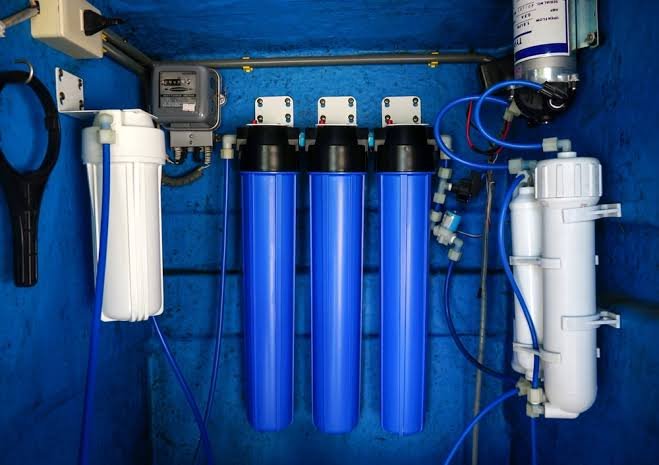
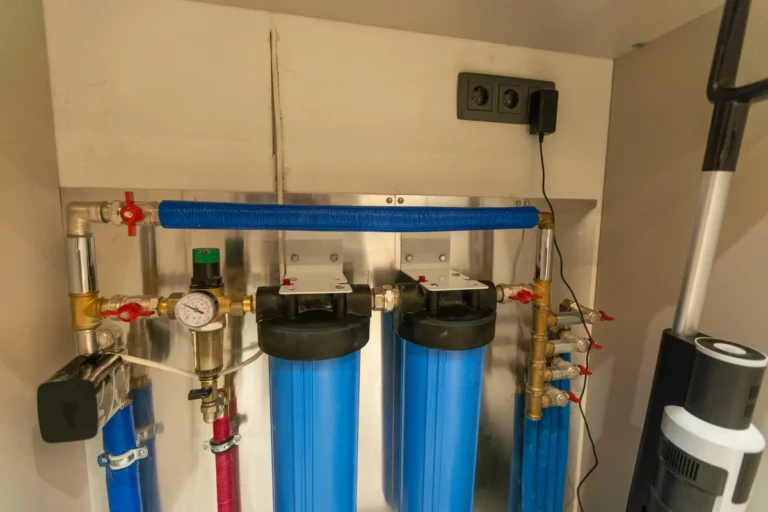
Customized systems typically perform better because they’re designed around actual water conditions rather than generic assumptions. That means better efficiency, easier maintenance, and greater long-term value.
Small Water Issues Can Become Expensive
Many homeowners ignore minor water concerns because they seem manageable.
Cloudy dishes get cleaned again.
Mineral stains get scrubbed away.
The water heater still works—even if it takes longer.
But over time, those seemingly harmless issues can lead to bigger expenses. Mineral scale reduces appliance efficiency, plumbing accumulates deposits, fixtures wear out more quickly, and energy consumption gradually increases.
Addressing water quality problems early often costs far less than replacing appliances, repairing plumbing, or dealing with avoidable maintenance down the road.
Preventive action almost always pays off.
Better Water Improves Everyday Comfort
One of the nicest surprises people experience after improving water quality is how many ordinary routines become just a little more enjoyable.
Showers leave skin feeling softer.
Laundry stays brighter and more comfortable.
Drinking water tastes fresher, encouraging everyone in the family to stay hydrated. Glassware comes out of the dishwasher sparkling instead of cloudy, while coffee and tea develop cleaner, richer flavors.
None of these improvements dramatically change your life overnight.
Instead, they quietly become part of everyday living until it becomes difficult to imagine going back.
That’s often the sign of a truly worthwhile home upgrade.
Maintenance Keeps Water Systems Performing Their Best
Installing quality treatment equipment is only the beginning.
Filters eventually require replacement, softeners need periodic maintenance, and UV systems benefit from scheduled servicing. Fortunately, modern water treatment systems are designed to make maintenance straightforward and predictable.
Keeping equipment in good condition ensures consistent water quality while extending the lifespan of the system itself.
Just like servicing a vehicle or maintaining an HVAC system, routine care protects your investment over the long term.
Better Decisions Begin With Better Information
Improving water quality isn’t about chasing perfection or buying the most expensive filtration system available.
It starts with understanding your water.
Once you know what’s flowing through your pipes, every decision becomes easier. Whether your goal is protecting appliances, improving taste, reducing mineral buildup, or simply gaining peace of mind, informed choices almost always produce better results than educated guesses.
At the end of the day, clean water supports thousands of everyday moments that often go unnoticed—a morning cup of coffee, a family dinner, a relaxing shower, or a child filling a water bottle before school.
Those ordinary moments deserve water you can trust. And that trust begins with paying attention to what’s beneath the surface today, rather than waiting until tomorrow brings a problem that could have been prevented.